



How can review prompts elicit detailed feedback on artistic merit & material elegance?

In the vast landscape of online reviews, generic praise or criticism often falls short, especially when evaluating products where aesthetics, craftsmanship, and tactile experience are paramount. For items ranging from artisan jewelry to custom furniture, or even finely crafted tech accessories, understanding the artistic merit and material elegance is crucial for both potential buyers and product developers. The challenge lies in moving beyond simple star ratings to elicit rich, descriptive feedback that truly captures these subjective yet vital aspects.

Understanding Artistic Merit: Beyond ‘It Looks Good’
Artistic merit isn’t merely about personal preference; it encompasses design principles, originality, emotional resonance, and overall aesthetic impact. To prompt detailed feedback in this area, reviewers need to be guided to consider specific elements rather than just their initial gut reaction. Instead of asking, “Do you like the design?”, consider prompts that delve deeper.
- Emotional Impact: “What emotions does the design evoke in you? Does it feel sophisticated, playful, serene, or dynamic?”
- Originality & Uniqueness: “Does the design feel fresh and original? How does it stand out from similar products you’ve encountered?”
- Harmony & Balance: “Comment on the visual balance, composition, and harmony of the design elements. Are there any features that particularly capture your attention?”
- Storytelling: “Does the design tell a story or convey a particular message or inspiration? How effectively is that communicated?”
Encouraging users to articulate why they feel a certain way about the aesthetic is key to unlocking valuable insights. Providing a vocabulary or framework can help reviewers express complex visual perceptions more clearly.

Eliciting Feedback on Material Elegance & Craftsmanship
Material elegance extends beyond raw material quality to include the finish, texture, durability, and the precision with which components are joined or surfaces treated. This is where the tactile and functional aspects intertwine with the visual. Generic questions like “Is the quality good?” often yield equally generic answers. Review prompts must guide users to focus on specific sensory and structural details.
- Tactile Experience: “Describe the feel of the materials. Is it smooth, textured, warm, cool, weighty, or lightweight? How does it feel to hold or interact with?”
- Finish & Detailing: “Examine the surface finish – is it polished, matte, brushed? Are there any visible seams, joints, or imperfections? How precise is the detailing?”
- Durability Perception: “Based on the materials and construction, how durable and long-lasting does the product feel? Does it exude a sense of resilience?”
- Material Authenticity: “Do the materials feel authentic and high-quality? How does the material choice contribute to the overall premium feel of the product?”
These specific prompts encourage reviewers to physically examine the product and articulate their sensory experiences, providing a much richer tapestry of feedback than a simple ‘good quality’ comment.

Strategies for Crafting Impactful Prompts
The art of crafting effective review prompts lies in balance: being specific enough to guide but open-ended enough to allow for genuine expression. Here are some strategies:
- Use Open-Ended Questions: Avoid yes/no questions. Start prompts with “Describe,” “Comment on,” “How do you perceive,” or “What are your thoughts on.”
- Provide Guiding Sub-Questions: After a broad question, offer bullet points or parenthetical suggestions to jog the reviewer’s memory or focus their attention (e.g., “Describe the overall aesthetic. Consider its uniqueness, emotional impact, and visual balance.“).
- Incorporate Sensory Language: Encourage reviewers to use descriptive words related to sight, touch, and even sound where applicable (e.g., “How does the texture feel?”).
- Leverage Product-Specific Attributes: Tailor prompts to the unique characteristics of the item being reviewed. A prompt for a painting will differ from one for a handcrafted leather bag.
- Combine Qualitative with Quantitative: While the goal is detailed feedback, a brief rating on artistic merit or material quality (1-5 stars) can provide a baseline, prompting users to elaborate on their chosen rating.
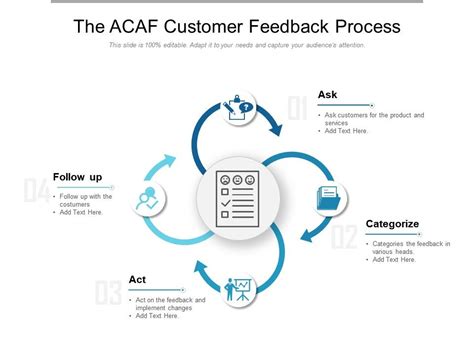
By thoughtfully designing your review prompts, you transform casual reviewers into insightful critics. This not only empowers potential customers with a deeper understanding of a product’s true value but also provides invaluable data for creators and brands to refine their offerings and communicate their unique selling propositions more effectively.

Conclusion
Eliciting detailed feedback on artistic merit and material elegance is an essential step towards fostering a more discerning consumer base and supporting creators who prioritize craftsmanship and design. By moving beyond generic inquiries and employing targeted, descriptive prompts, businesses can unlock a treasure trove of qualitative data that celebrates the nuances of their products. This approach not only enhances the credibility and utility of product reviews but also cultivates a deeper appreciation for the artistry and dedication embedded in every well-made item.