

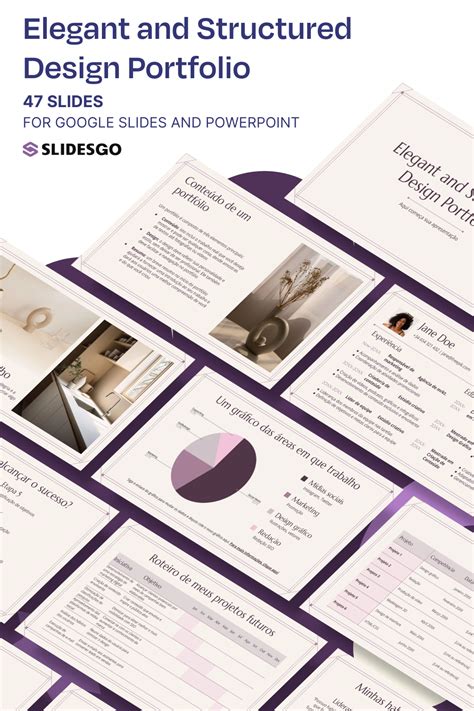
How to curate my Pro Artist Portfolio for enhanced artistry & elegant impact?

In the competitive world of art, a professional artist’s portfolio is far more than just a collection of images; it is a meticulously crafted statement of vision, skill, and aesthetic identity. Curating an exceptional portfolio is an art in itself, designed not just to showcase your work, but to elevate its perceived value, captivate your audience, and leave an indelible, elegant impact. This guide will walk you through the essential steps to refine your professional artist portfolio, transforming it into a powerful tool that speaks volumes about your enhanced artistry.
Defining Your Portfolio’s Purpose and Audience
Before you even begin selecting pieces, clarity is paramount. Ask yourself: What is the primary purpose of this portfolio? Is it for gallery representation, client commissions, art competitions, or grant applications? Who is your target audience (e.g., gallerists, art directors, collectors, curators)? Understanding your “why” and “for whom” will dictate the style, content, and even the platform of your portfolio. A portfolio aimed at a contemporary gallery might emphasize conceptual depth, while one for commercial illustration will highlight versatility and client-specific solutions.
![21+ Best Artist Portfolio Examples [Get Inspired!] - Alvaro Trigo's Blog](/images/aHR0cHM6Ly90czQubW0uYmluZy5uZXQvdGg/aWQ9T0lQLlY4al9YSWFlemY3V2JRVkZGdE5YSGdIYUR4JnBpZD0xNS4x.webp)
The Art of Selection: Quality Over Quantity
Resist the urge to include every piece you’ve ever created. A strong portfolio prioritizes quality over quantity. Each piece chosen should be a testament to your highest skill level, your most refined aesthetic, and your unique artistic voice. Typically, 10-20 strong, cohesive pieces are more effective than 50 mediocre ones. Consider the technical excellence, originality, and emotional resonance of each work. Eliminate anything that doesn’t actively elevate the overall impression of your artistic capabilities. If a piece doesn’t make you say “wow,” it likely won’t make your audience say it either.
- Be Ruthless: Objectively assess each piece. Does it represent your best work?
- Seek Recency: Prioritize recent works that reflect your current artistic direction.
- Showcase Range (Wisely): If you work in multiple styles or mediums, select a few strong examples of each, ensuring they still contribute to a cohesive whole.
Crafting a Cohesive Narrative and Flow
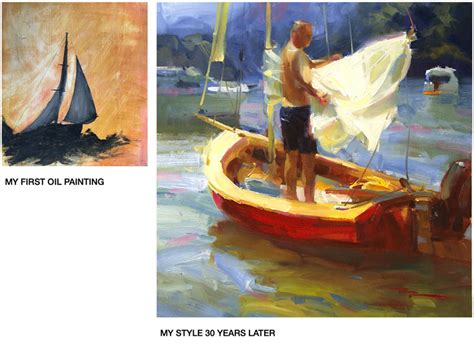
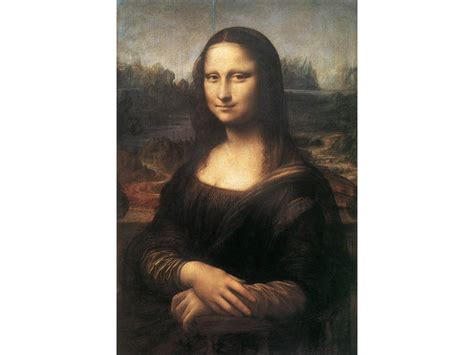
Your portfolio should tell a story about you as an artist. This isn’t just about individual pieces; it’s about how they interact and build upon each other. Arrange your work thoughtfully to create a compelling flow. Consider themes, color palettes, subject matter, or chronological progression. A well-ordered portfolio guides the viewer through your artistic journey, showcasing a consistent vision or a deliberate evolution. The presentation should feel intentional, demonstrating your ability to curate your own work with an artist’s eye.
Presentation is Paramount: Digital and Physical Elegance
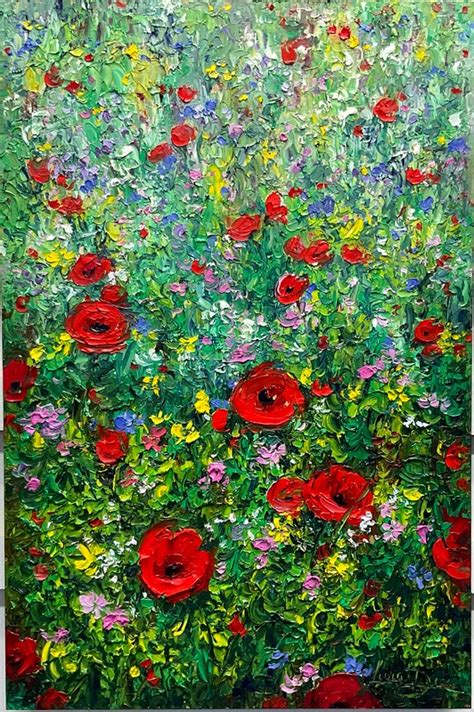
The visual quality of your portfolio presentation is as critical as the artwork itself. For digital portfolios, ensure all images are high-resolution, professionally photographed or scanned, and color-corrected to accurately represent the original work. Use a clean, minimalist website design that allows your art to take center stage, free from distractions. For physical portfolios, invest in high-quality prints, professional binding, and immaculate presentation. Consistent branding—from your logo to your artist statement—reinforces your professional identity.
- High-Resolution Imagery: Crisp, clear photos are non-negotiable.
- Consistent Visuals: Maintain a uniform aesthetic in your image presentation (e.g., background, lighting).
- Professional Platforms: Use reputable website builders or portfolio platforms that offer a polished look.
- Artist Statement: A concise, compelling statement that articulates your vision and process adds depth.

Refine and Evolve: The Ongoing Process of Curation
A professional portfolio is not a static entity; it’s a living document that should evolve with your artistic practice. Regularly review and update your portfolio. Seek feedback from trusted peers, mentors, or art professionals—their objective insights can be invaluable. Be open to constructive criticism, as it can highlight areas for improvement in both your art and its presentation. As you create new, stronger work, be prepared to replace older pieces. Continuous curation ensures your portfolio always reflects your current artistic peak and remains relevant to your career goals.
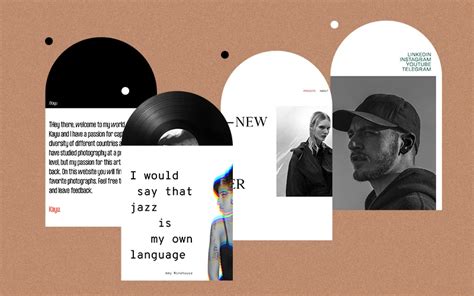
By meticulously defining your purpose, selecting your finest work, crafting a compelling narrative, prioritizing impeccable presentation, and embracing ongoing refinement, you transform your portfolio into an elegant and impactful testament to your enhanced artistry. It becomes more than just a collection; it becomes a curated experience, a powerful ambassador for your creative voice in the professional art world.