
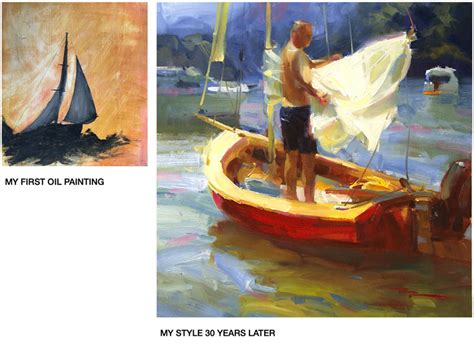


How do I curate my Pro Artist Portfolio to showcase mastery and attract premium commissions?

For professional artists, a portfolio isn’t just a collection of work; it’s a meticulously crafted narrative, a powerful marketing tool, and often the first impression a potential premium client or commissioner has of your capabilities. Curating a portfolio that genuinely showcases mastery and appeals to high-paying opportunities requires more than simply compiling your best pieces. It demands strategic thinking, a keen eye for presentation, and an understanding of your target market.
Define Your Niche and Target Audience
Before you even begin selecting pieces, clarity is paramount. Who are you trying to attract? Are you aiming for luxury interior designers, high-end art collectors, editorial clients, or perhaps specific corporate commissions? Understanding your ideal client dictates the tone, style, and content of your portfolio. Your portfolio for a fine art gallery will differ significantly from one presented to an advertising agency.
Pinpoint your unique selling proposition (USP). What makes your art distinctive? Is it your technique, subject matter, emotional impact, or a particular aesthetic? This focus will guide your selection process, ensuring every piece serves a purpose in building your desired artistic brand.

Quality Over Quantity: The Art of Selection
Resist the urge to include every good piece you’ve ever made. A strong portfolio is concise and impactful. Aim for 10-20 of your absolute strongest, most relevant pieces that consistently represent your highest level of skill and artistic vision. Each piece should resonate with your defined niche and demonstrate mastery in your chosen medium and style.
Showcase Cohesion and Versatility (Strategically)
While showing consistency in your style is crucial, strategically include pieces that subtly hint at your versatility without diluting your core brand. If you work in multiple mediums, consider creating separate, tailored portfolios for each, or ensure that pieces from different mediums still align thematically or stylistically with your overall artistic voice.
Tell a Story: Presentation and Narrative
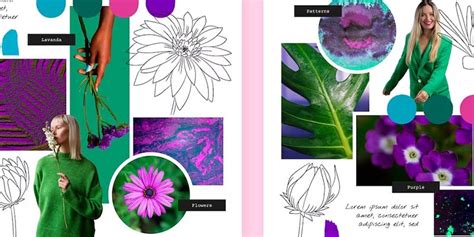
Your portfolio should tell a compelling story about you as an artist. Organize your work thoughtfully. Consider a logical flow – perhaps starting with your strongest, most recent piece, or grouping works by series or theme. Each piece should be accompanied by concise, professional descriptions that include the title, medium, dimensions, and year completed. For commissions, consider adding a brief context or client testimonial if appropriate and permissible.
High-Quality Imagery is Non-Negotiable
This cannot be overstated: professional, high-resolution photographs of your artwork are essential. Poor lighting, blurry images, or distracting backgrounds will instantly detract from the quality of your work. Invest in professional photography or learn how to photograph your art effectively yourself. Ensure consistent lighting and color accuracy across all images.

Tailor Your Portfolio for Specific Opportunities
While you should have a strong core portfolio, be prepared to customize it. If you’re applying for a specific commission or gallery representation, select pieces that are most relevant to that particular opportunity. This shows professionalism and a genuine interest in the prospect. A digital portfolio allows for easy customization and rearrangement.
Leverage Digital Platforms Effectively
A professional website is your primary digital portfolio. Ensure it’s clean, easy to navigate, mobile-responsive, and prominently displays your best work. Consider adding an ‘About Me’ section, an artist statement, and contact information. Other platforms like Artstation, Behance, or specific gallery submission sites can also be valuable, but your website should be the central hub.

Professionalism, Refinement, and Maintenance
Proofread everything. Typos and grammatical errors undermine your professionalism. Get feedback from trusted peers or mentors. A fresh pair of eyes can spot weaknesses or areas for improvement. Your portfolio is a living document; regularly review and update it with your newest and strongest work. Remove older pieces that no longer represent your current skill level or artistic direction.
Finally, always include clear contact information and a professional artist statement that articulates your vision and practice. This provides crucial context for your work and helps potential clients connect with you on a deeper level.

Conclusion
Curating a pro artist portfolio that attracts premium commissions is an ongoing process of strategic selection, impeccable presentation, and thoughtful customization. By focusing on quality over quantity, understanding your target audience, telling a compelling story, and maintaining the highest standards of professionalism, you can transform your portfolio into a powerful tool that not only showcases your mastery but also opens the door to the premium opportunities you deserve.