


What Pro Artist Portfolio design choices enhance artistry and define elegance for client appeal?

The First Impression: More Than Just Pretty Pictures
In the competitive world of professional art, your portfolio isn’t just a gallery of your creations—it’s your most potent marketing tool, a visual resume, and a statement of your professional identity. The design choices you make, from the overall layout to the smallest font detail, profoundly influence how potential clients perceive your artistry and professionalism. An elegantly designed portfolio doesn’t just display your work; it contextualizes it, elevates it, and speaks volumes about your attention to detail and creative vision.
Strategic Curation: Quality Over Quantity
One of the most critical design choices is what to include and, perhaps more importantly, what to leave out. A strong portfolio is a curated collection of your absolute best and most relevant work, not an exhaustive archive. Clients are looking for specific skills or a particular aesthetic; presenting a streamlined selection demonstrates confidence, self-awareness, and a refined editorial eye. Focus on pieces that align with the type of work you aspire to do and the clients you wish to attract. Each piece should serve a purpose, showcasing a specific skill, style, or narrative that enhances your overall artistic statement.
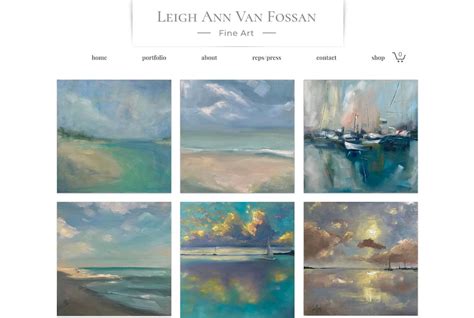
Seamless Navigation and Intuitive Layout
An elegant portfolio prioritizes user experience (UX). Clients should be able to navigate effortlessly, finding what they need without confusion or frustration. This means a clean, uncluttered layout with logical categories or project groupings. Key design elements include:
- Clear Structure: Organize work into easily understandable sections (e.g., by medium, project type, or theme).
- Minimalist Design: Allow your artwork to breathe. Ample white space around each piece draws the eye to the art itself, preventing visual clutter.
- Responsive Design: Ensure your portfolio looks and functions impeccably across all devices, from desktop monitors to mobile phones.
Visual Storytelling: Context and Clarity
Beyond displaying images, a professional portfolio tells the story behind your art. Providing context enhances artistry by offering insight into your creative process, intentions, and problem-solving skills. For each piece or project, consider including:
- Project Brief/Goal: What was the objective?
- Your Role: Clearly define your contributions, especially in collaborative projects.
- Process Insights: Briefly describe your approach, techniques, and inspiration.
- Outcome/Impact: How did the piece meet its goal or evoke a desired response?
High-resolution images and, where applicable, short video clips or animations are non-negotiable. Blurry, poorly lit, or low-quality visuals diminish even the most brilliant artwork.

Branding and Aesthetic Cohesion
Your portfolio is an extension of your artistic brand. Consistent branding across the entire presentation reinforces your identity and demonstrates professionalism. This includes:
- Color Palette: Choose a palette that complements your art without overpowering it, often neutral tones with strategic accents.
- Typography: Select legible and aesthetically pleasing fonts that reflect your artistic style. Use a maximum of two or three fonts consistently.
- Logo and Identity: If you have a personal brand logo, integrate it subtly but effectively.
An elegant portfolio maintains a cohesive aesthetic that feels intentional and sophisticated, speaking to your ability to manage details and present a unified vision.
The Subtle Art of Presentation
Elegance often lies in subtlety. The way you present your work can be as impactful as the work itself. Consider these often-overlooked details:
- Professional Photography: For physical artworks, investing in professional photography can make a monumental difference. Good lighting, sharp focus, and accurate color representation are crucial.
- Negative Space: Embrace it. Strategic use of negative space around your artwork gives each piece room to breathe and makes the overall presentation feel refined.
- Client Testimonials/Awards: Incorporating a dedicated section for endorsements or notable achievements adds credibility and social proof, quietly reinforcing your value.

Clear Call to Action and Contact Information
Finally, an elegant and effective portfolio guides potential clients on what to do next. Make your contact information readily accessible and prominent. Whether it’s a dedicated contact page, a clear email address in the footer, or a prominent ‘Hire Me’ button, ensure that interested parties can easily reach out. A professional artist portfolio isn’t just a display; it’s an invitation to collaborate.

Conclusion
The design choices within your professional artist portfolio are instrumental in enhancing your artistry and defining an elegance that appeals to clients. By meticulously curating your work, prioritizing seamless navigation, providing insightful context, maintaining strong brand cohesion, and paying attention to the subtle nuances of presentation, you transform a simple collection of art into a powerful, persuasive, and undeniably professional statement. Your portfolio should not just show what you can do, but how you do it, and the professional sophistication with which you operate.