
How to elevate Pro Artist Portfolio presentation for ‘Artistry Enhanced, Elegance Defined’ impact?

The Imperative of an Impeccable Portfolio
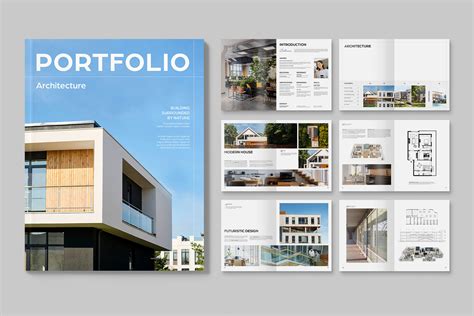
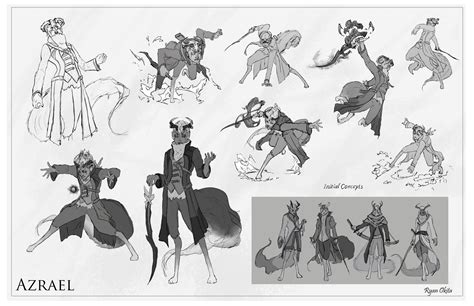
For professional artists, a portfolio is far more than a collection of works; it’s a meticulously crafted narrative of your artistic journey, skill, and vision. In a competitive creative landscape, the way you present your art can be as crucial as the art itself. Achieving an ‘Artistry Enhanced, Elegance Defined’ impact means moving beyond a mere showcase to a curated experience that captivates and convinces. This guide will walk you through the essential strategies to transform your portfolio into an unparalleled statement of your professional prowess.
![HR Professional Development Goals: How To Set Them [+Templates]](/images/aHR0cHM6Ly90czIubW0uYmluZy5uZXQvdGg/aWQ9T0lQLlc4WGI3OHlDbE1LNWt6OXlWYkdOZXdIYUQzJnBpZD0xNS4x.webp)
Curating for Impact: Quality Over Quantity
The first step to an elevated portfolio is ruthless curation. It’s not about showing everything you’ve ever created, but rather showcasing your absolute best and most relevant work. Select pieces that:
- Demonstrate a consistent level of high quality.
- Are cohesive in style or theme, or clearly illustrate your range if that’s your intent.
- Align with the type of opportunities you seek.
- Are visually compelling and technically proficient.
Aim for a concise yet powerful collection, typically 10-20 strong pieces. Each inclusion should earn its place by speaking volumes about your capabilities and artistic voice.
Storytelling Through Your Art
Every piece in your portfolio has a story, and effectively conveying it adds immense depth. For each artwork, consider including:
- Title and Date: Essential identifiers.
- Medium and Dimensions: Practical information.
- Concept/Inspiration: A brief, engaging statement about the piece’s genesis or meaning. This allows viewers to connect with your work on a deeper level and understand your thought process.
- Process/Technique: If relevant, a brief mention of unique techniques or challenges overcome can highlight your skill.
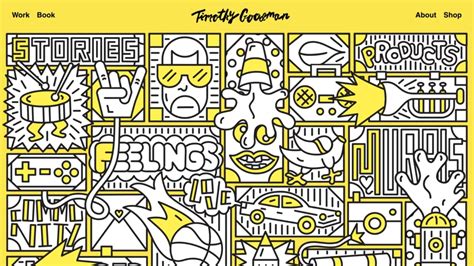
The Digital Showcase: Website and Beyond
In today’s digital world, a professional online presence is non-negotiable. Your website serves as your primary portfolio hub. Ensure it is:
- Visually Stunning: High-resolution images are paramount. Invest in professional photography of your work.
- User-Friendly: Intuitive navigation, fast loading times, and mobile responsiveness are critical.
- Clean and Minimalist: Let your art take center stage. Avoid cluttered layouts or distracting elements.
- Consistently Branded: Reflect your personal brand through design, typography, and color palette.
Beyond your website, consider platforms like Behance, ArtStation, or professional social media (Instagram, LinkedIn) as supplementary, linking back to your main site.
Physical Presentations: When and How
While digital is dominant, a beautifully presented physical portfolio still holds immense power for in-person meetings. Consider a sleek, professional art book or a high-quality print folio. Ensure the prints are true to color and impeccably bound. This tactile experience can leave a lasting impression, embodying the ‘Elegance Defined’ aspect.

Branding and Consistency: Your Signature Style
An elevated portfolio extends beyond the art to encompass your entire professional persona. Develop a strong personal brand that is reflected in every aspect of your presentation:
- Logo and Visual Identity: A professional logo and consistent visual elements across all platforms.
- Artist Statement: A concise, compelling paragraph that articulates your artistic philosophy, influences, and what drives your practice. It should complement, not repeat, the individual piece descriptions.
- Bio/CV: A well-written biographical sketch and an up-to-date curriculum vitae highlighting your education, exhibitions, awards, and commissions.
- Professional Communication: From your email signature to your follow-up notes, maintain a professional and consistent tone.
Feedback, Refinement, and Regular Updates
Your portfolio is a living document, not a static entity. Seek constructive feedback from trusted peers, mentors, or industry professionals. Be open to criticism and use it to refine your selections, descriptions, and overall presentation. Regularly update your portfolio with your latest and greatest work, removing older pieces that no longer represent your current skill level or artistic direction.
By investing time and thought into these strategies, you’re not just showcasing your art; you’re crafting an experience that underscores your professionalism and artistic integrity, leaving potential clients and collaborators with an unforgettable impression of ‘Artistry Enhanced, Elegance Defined’.