

What refined photography tips elevate elegance for detailed artistry tutorials?

Unveiling Artistry: The Power of Refined Photography
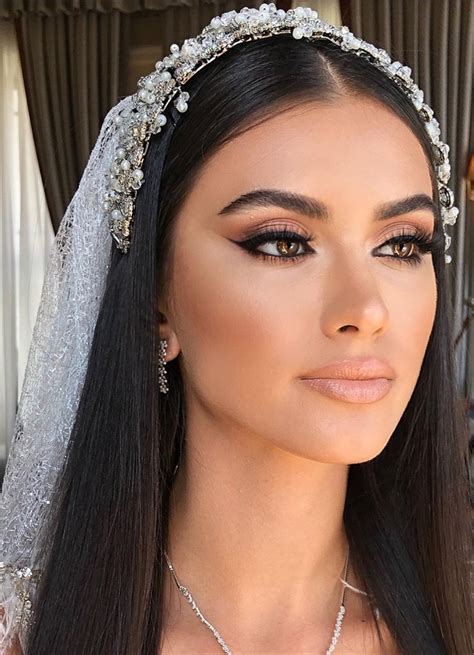
In the vibrant world of beauty tutorials, where every stroke, shimmer, and detail tells a story, the quality of your photography isn’t just a preference—it’s paramount. To truly elevate your detailed artistry tutorials from informative to inspiring, you need more than just good content; you need captivating visuals that convey elegance, precision, and the sheer beauty of your craft. This guide dives deep into refined photography tips designed to make your beauty artistry shine with professional grace.

Mastering Lighting: The Soul of Luminous Artistry
Lighting is the single most critical element in beauty photography. It dictates mood, enhances textures, and reveals details that might otherwise be lost. For detailed artistry, soft, diffused light is your best friend. Natural indirect light near a window is often ideal, providing a gentle, even glow that minimizes harsh shadows and accurately represents colors.
Strategic Illumination for Detail
- Softboxes or Ring Lights: These artificial light sources create even, shadow-free illumination, perfect for close-up work on intricate details like eyeliner wings, elaborate nail art, or hair braids. Position them carefully to avoid glare, especially on reflective surfaces.
- Diffusers: If using a stronger light source, always diffuse it. A simple white sheet or a professional diffuser will soften the light, preventing blown-out highlights and deep, distracting shadows.
- Avoid Direct Flash: On-camera flash often results in harsh, flat images that strip away texture and depth. Opt for continuous lighting or off-camera flash diffused and bounced.
Precision in Composition and Framing for Impact
How you frame your shot can dramatically impact how your artistry is perceived. For tutorials, clarity and focus on the subject are key. Your goal is to guide the viewer’s eye directly to the beautiful work you’ve created.
Elements of Elegant Composition
- Rule of Thirds: While not a strict rule, applying the rule of thirds can create more balanced and visually interesting compositions. Place key elements of your artistry along the grid lines or at their intersections.
- Clean Backgrounds: Clutter distracts from your detailed work. Opt for plain, neutral backgrounds (white, grey, soft pastel) that complement rather than compete with your subject. A textured but simple background can add depth without distraction.
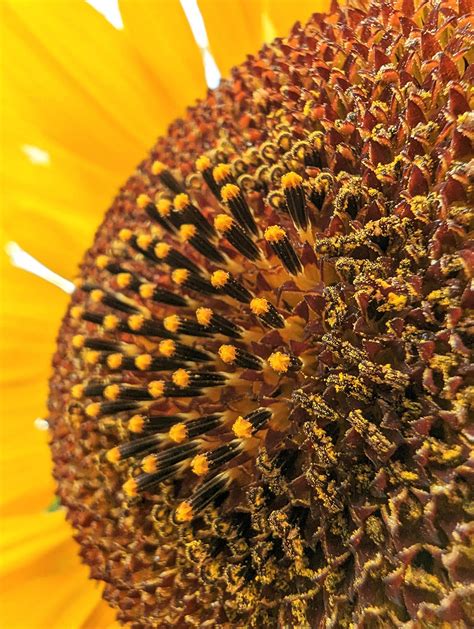
- Close-ups and Macro Shots: Embrace the power of the close-up. For intricate details, a macro lens can be invaluable, allowing you to capture every shimmer, every tiny gem, or every perfectly blended shade with breathtaking clarity. Showcasing both wider context shots and extreme close-ups provides a comprehensive view.
Focusing on the Finer Details: Sharpness is Key
There’s nothing more frustrating than a blurry tutorial image. Sharp focus is non-negotiable when showcasing detailed artistry. Every brushstroke, every highlight, every texture needs to be crisp and clear.
Achieving Pin-Sharp Imagery
- Autofocus Modes: Experiment with your camera’s autofocus modes. Spot AF or single-point AF allows you to precisely choose where the camera focuses. For static subjects, manual focus can offer even greater control.
- Aperture Settings: For detailed close-ups, you generally want a slightly wider depth of field to ensure all relevant details are in focus. While a very shallow depth of field (low f-number) can create beautiful bokeh, ensure the entirety of your artistic element remains sharp. A good starting point might be f/5.6 to f/8 for detailed shots.
- Tripod Stability: Even minor camera shake can introduce blur, especially in lower light or when using longer focal lengths. A tripod is an indispensable tool for maintaining absolute stability and ensuring consistently sharp images.

Elevating Elegance Through Thoughtful Post-Processing
Post-processing isn’t about altering reality; it’s about enhancing the beauty already present and correcting minor imperfections to achieve a polished, professional look. Subtlety is key.
Refining Your Images Digitally
- Color Correction and White Balance: Ensure colors are true-to-life. Correcting white balance will make sure your whites are truly white and your colors aren’t skewed towards warm or cool tones.
- Gentle Retouching: For skin, focus on evening out tones and minimizing temporary blemishes without creating an artificial, “plastic” look. For the artistry itself, you might gently enhance contrast or definition, but avoid over-sharpening which can introduce digital artifacts.
- Highlighting and Shadows: Judiciously adjusting highlights and shadows can add depth and dimension to your work, making textures pop and details stand out. Be careful not to crush shadows or blow out highlights.
- Cropping: Use cropping to refine your composition, eliminate distracting elements, and strengthen the focus on your artistry.

Props and Styling for Enhanced Narrative
While the focus is on your artistry, the surrounding elements can subtly enhance its elegance and narrative without overshadowing it. Think of them as silent storytellers.
Subtle Styling Touches
- Minimalist Props: If using props, choose ones that are relevant and understated. A delicate brush, a small pot of glitter, or a fresh flower can add context and beauty without distracting from the main subject.
- Color Coordination: Select props and backgrounds that complement the colors in your artistry. Harmonious palettes create a sense of sophistication and cohesion.
- Consistency: Maintain a consistent visual style across all your tutorials. This builds your brand identity and makes your work instantly recognizable and professional.

Conclusion: The Art of Seeing and Capturing Beauty
Refined photography is an art in itself, especially when applied to detailed beauty tutorials. By meticulously addressing lighting, composition, focus, post-processing, and subtle styling, you don’t just document your artistry—you elevate it. Each tip here is a tool to help you not only capture the visual appeal but also the essence and elegance of your detailed creations, turning your tutorials into breathtaking works of visual education. Practice, experiment, and let your unique vision shine through every exquisitely captured detail.