

How to curate a professional portfolio balancing artistic range & elegant cohesion?

The Dual Challenge: Range vs. Cohesion
For any professional artist, a portfolio is more than just a collection of works; it’s a strategic marketing tool, a visual resume, and a window into your creative soul. The challenge lies in striking the delicate balance between showcasing your full artistic range—the breadth of your skills, mediums, and styles—and maintaining an elegant, cohesive presentation that doesn’t feel disjointed or overwhelming. This article will guide you through the principles of curating a portfolio that speaks volumes about your versatility without sacrificing a clear, professional brand identity.
Defining Your Portfolio’s Purpose and Audience
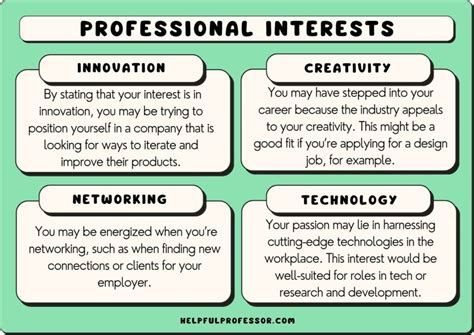
Before you even begin selecting pieces, clarify the primary purpose of your portfolio. Are you applying for a specific job, seeking gallery representation, attracting commissions, or showcasing work for a particular client base? Your target audience profoundly influences which pieces you include and how you present them. A portfolio for a commercial illustrator will look different from one for a fine artist applying to a residency.
Understand the message you want to convey. Do you want to be known as a master of one specific technique, or a versatile problem-solver across various styles? This initial clarity will be your compass for navigating the selection and arrangement process, ensuring every piece serves a greater, unified goal.
Strategic Selection: Quality Over Quantity
It’s a common misconception that more is always better. In reality, a professional portfolio thrives on quality over quantity. Include only your absolute strongest, most polished pieces—the ones that best represent your current skill level and artistic vision. A single weak piece can undermine the entire collection, suggesting inconsistency or a lack of critical judgment.
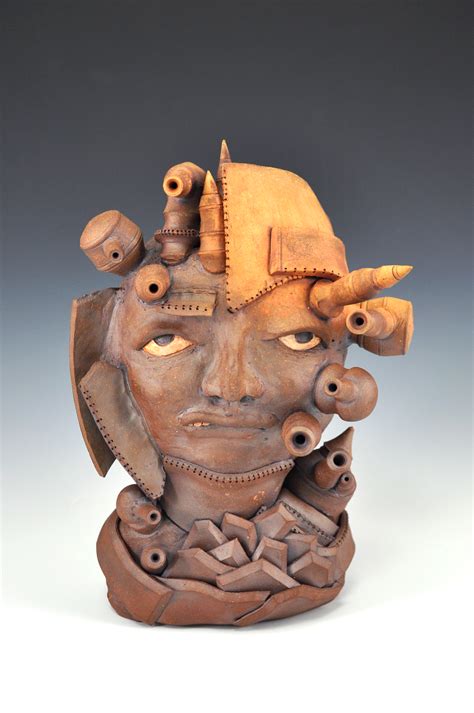
To demonstrate range without sacrificing cohesion, consider grouping similar works or showing variations on a specific theme. Instead of presenting wildly disparate styles, perhaps show how you apply your unique voice to different mediums or subject matters. This approach reveals versatility within a discernible aesthetic framework, proving your adaptability without scattering your focus.
Think about the story each piece tells about your capabilities. Does it highlight a particular skill, a unique perspective, or a mastery of a challenging technique? Every item in your portfolio should earn its place by contributing positively to the overall narrative of your professional identity.
Crafting a Narrative and Visual Flow
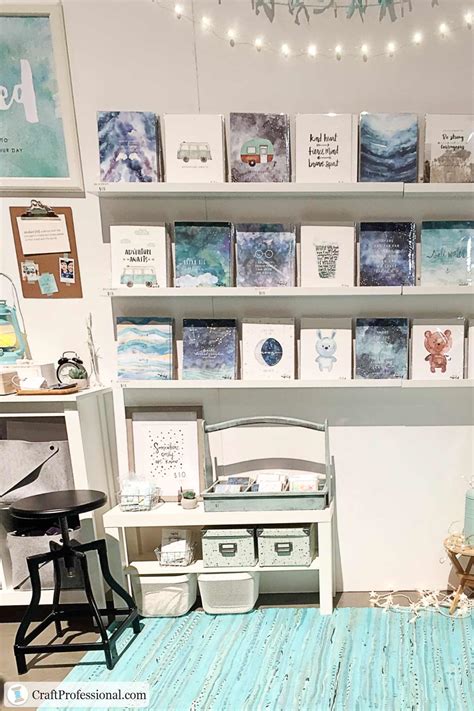
Once you’ve selected your best works, the next step is to arrange them in a way that creates a compelling narrative and a smooth visual flow. Your portfolio should feel like a curated exhibition, not a random dump of images. Consider the order in which pieces are viewed. Start strong, maintain interest through the middle, and finish with another impactful piece.
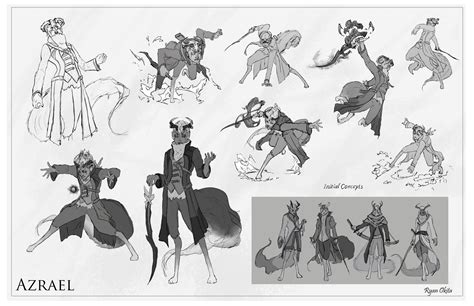
Group pieces that speak to each other, creating visual conversations. For example, if you’re showing a range of character designs, group them together. If you’re demonstrating skill in both traditional painting and digital art, create distinct sections or transitions that guide the viewer through these different facets of your work. Pay attention to the negative space around your work and the overall layout; a clean, uncluttered presentation enhances perceived professionalism and allows each artwork to breathe.
The Power of Cohesive Presentation
Elegant cohesion extends beyond the artwork itself to the presentation of your portfolio. Consistency in branding elements—such as a personal logo, chosen color palette, and typeface—across your portfolio website, physical book, and business cards reinforces your professional identity. These subtle details tie your diverse artistic outputs together, creating a unified and memorable brand experience.
High-quality photography or scans of your work are non-negotiable. Poor images can drastically diminish the impact of even the most exquisite art. Ensure lighting is even, colors are accurate, and resolution is high. Whether presented digitally or physically, your portfolio should reflect the same level of care and precision that you put into your artwork. A professionally designed website or a beautifully printed book speaks volumes about your attention to detail and respect for your craft.

Seeking External Feedback
After you’ve done your best to curate and arrange your portfolio, step back and seek critical feedback from trusted peers, mentors, or even target audience members. A fresh pair of eyes can spot inconsistencies, identify areas where your message might be unclear, or suggest alternative arrangements that enhance the flow. Be open to constructive criticism and use it to refine your selection and presentation.
Remember, your portfolio is a dynamic tool. It should evolve as your skills grow and your artistic focus shifts. Regularly review and update your portfolio, removing older works as new, stronger pieces emerge. This commitment to continuous refinement ensures your portfolio always represents the very best of your current professional capabilities.
Your Portfolio as a Living Document
Curating a professional portfolio that harmonizes artistic range with elegant cohesion is an ongoing process of thoughtful selection, strategic arrangement, and meticulous presentation. By understanding your purpose, prioritizing quality, crafting a narrative, ensuring consistent branding, and embracing feedback, you can build a powerful tool that effectively communicates your unique talents and professional value to the world.