



What prompts elicit detailed reviews emphasizing craftsmanship and elegant design?

The Art of Eliciting Detailed Product Feedback
In the competitive landscape of modern commerce, generic five-star ratings often fall short. What truly drives purchasing decisions are detailed reviews that offer insights into a product’s build quality, aesthetic appeal, and overall user experience. For products where craftsmanship and elegant design are paramount—think luxury goods, artisanal items, high-end electronics, or bespoke furniture—the ability to elicit reviews that articulate these specific qualities is invaluable. But how do you guide customers to articulate what makes a product truly special?
Focusing on the Nuances of Craftsmanship
To encourage discussions about craftsmanship, prompts should steer customers towards specific aspects of the product’s construction and material quality. Instead of a general “What did you like?”, try questions that probe deeper into the tangible elements of its creation. Customers often appreciate being asked to consider details they might otherwise overlook, reinforcing their perception of value.
- Material Quality: “How do the materials feel or perform? Do they meet your expectations for durability and tactile quality?”
- Construction & Finish: “Can you describe the attention to detail in its construction, joints, or finish? Are there any aspects that particularly impressed you?”
- Longevity & Durability: “How do you anticipate this product will hold up over time? Does its construction suggest lasting quality?”
- Handmade or Unique Aspects: “If applicable, what unique handmade touches or intricate details did you notice that distinguish this product?”

Highlighting Elegant Design and Aesthetics
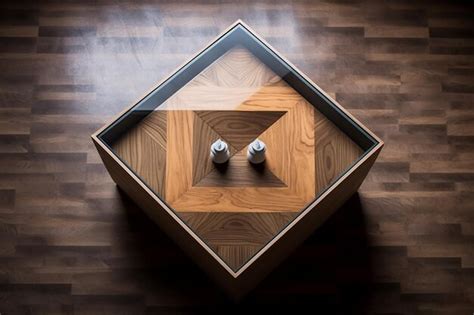
Elegant design isn’t just about looking good; it’s about the thoughtful integration of form and function. Prompts should encourage reviewers to articulate the visual appeal, user experience, and emotional connection fostered by the design. This moves beyond simple approval to a deeper appreciation of the designer’s intent and execution.
- Aesthetic Appeal: “How does the product’s design enhance its visual appeal in your home or daily life? What specific design elements do you find most striking?”
- Form & Function: “Does the design make the product easier or more enjoyable to use? How does its form complement its function?”
- Integration with Environment: “How well does this product blend with or enhance your existing decor or lifestyle?”
- User Experience: “Beyond its looks, how does the thoughtful design improve your overall experience with the product?”
Strategic Timing and Context for Prompting
The timing and context of your review request are almost as important as the prompts themselves. Asking for a review too early might yield superficial responses, while asking too late might result in forgotten details. Consider triggering review requests after customers have had sufficient time to use and live with the product, allowing for a more thorough evaluation of its craftsmanship and design resilience.
Integrate prompts directly into post-purchase email sequences, within your app (if applicable), or on product pages where customers might be returning for information. Providing a dedicated space for detailed feedback, perhaps with specific fields for ‘Craftsmanship’ and ‘Design’ alongside the general rating, can also guide reviewers effectively.
Leveraging Comparative and Emotional Questions
Sometimes, the best way to highlight a product’s unique attributes is by encouraging comparison or by tapping into emotional responses. Comparative prompts can subtly underscore a product’s superiority or distinctive qualities, while emotional questions reveal how the design and craftsmanship resonate on a personal level.
- Comparative Insight: “How does the craftsmanship or design of this product compare to similar items you’ve owned or considered?”
- Emotional Connection: “How does the product make you feel when you use or interact with it? Does its design evoke a particular mood or experience?”
- Recommendation Angle: “What specific design or craftsmanship details would you highlight if recommending this product to a friend?”

Encouraging Visual Contributions
Text reviews are powerful, but images and videos amplify the impact, especially when discussing craftsmanship and design. Explicitly encourage customers to upload photos or videos that showcase the details they’ve described. A prompt like, “Share a photo of the craftsmanship details you loved most!” or “Show us how the design enhances your space!” can lead to compelling user-generated content that visually validates their written feedback.
By thoughtfully constructing your review prompts, you can transform ordinary customer feedback into rich narratives that celebrate the intricate craftsmanship and elegant design of your products, ultimately building trust and attracting discerning buyers.