

How to curate my Pro Artist Portfolio for maximum elegance and visual impact?
The Art of Strategic Selection: More Than Just a Collection
Your professional artist portfolio isn’t merely a collection of your work; it’s a meticulously crafted narrative, a visual resumé designed to captivate, impress, and communicate your unique artistic voice. Curating it for maximum elegance and visual impact is paramount to standing out in a competitive creative landscape. It’s about making deliberate choices that highlight your strengths, demonstrate your range (without sacrificing focus), and leave a lasting impression on gallerists, clients, and collaborators.
Defining Your Artistic Narrative and Focus
Before selecting a single piece, clarify the story you want your portfolio to tell. What is your specialty? What aesthetic do you pursue? Are you a painter, sculptor, digital artist, or illustrator? A strong portfolio often benefits from a cohesive theme or a clear demonstration of skill within a specific niche. While it’s tempting to include everything you’ve ever created, a focused portfolio that showcases your best work within a defined style or medium is far more effective. Potential clients and employers want to see consistency and a clear artistic direction.
Go through your entire body of work and critically evaluate each piece. Ask yourself: Does this piece represent my best technical skill? Does it align with my current artistic direction? Does it contribute to the overall narrative I want to present? Be ruthless in your self-assessment; removing good pieces to make way for great ones is a sign of a strong curator.
Quality Over Quantity: Less is Often More
One of the most common mistakes artists make is including too many pieces. An overwhelming portfolio can dilute the impact of your strongest work. Aim for quality over quantity, typically showcasing 10-20 exceptional pieces. Each piece should be a testament to your skill, vision, and dedication. High-resolution images, pristine lighting, and professional photography are non-negotiable. Poor-quality images can instantly detract from even the most magnificent artwork. Invest in professional photography or learn to photograph your work effectively, ensuring accurate color representation and sharp detail.
Strategic Sequencing and Presentation
The order in which your work appears can significantly influence how it’s perceived. Think of your portfolio as a visual journey. Start strong, end strong, and build a compelling narrative in between. Place your absolute best piece first to grab immediate attention, and follow it with another strong contender. Your penultimate piece should also be impactful, ensuring a memorable exit. Consider how pieces relate to one another in terms of color, subject matter, or emotional tone to create a cohesive flow. Avoid jarring transitions; instead, aim for a natural progression that guides the viewer through your artistic world.
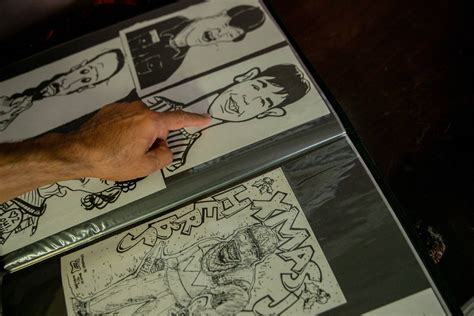
The platform you choose for your portfolio also speaks volumes. A clean, professional, and easy-to-navigate website is crucial for digital portfolios. Opt for a minimalist design that puts your artwork front and center, minimizing distractions. Ensure mobile responsiveness, as many viewers will access your site on various devices. If presenting a physical portfolio, choose a high-quality binder or case, and ensure prints are impeccable, consistent in size, and neatly arranged.

Refinement, Feedback, and Ongoing Evolution
A truly elegant and impactful portfolio is never truly “finished.” It’s a living document that evolves with your artistic practice. Regularly review your work, perhaps every six months or annually, to replace older pieces with newer, stronger ones. Seek constructive criticism from trusted peers, mentors, or art professionals. An outside perspective can reveal blind spots and offer invaluable insights into how your work is perceived. Pay attention to feedback regarding clarity, impact, and overall presentation.
Consider adding brief, impactful descriptions for each piece or project, especially for conceptual art or commissions. These descriptions should provide context, highlight your process, or explain the piece’s significance without overshadowing the visual itself. A concise artist statement that articulates your philosophy and artistic goals can also greatly enhance your portfolio’s professionalism and depth.

Curating a portfolio for maximum elegance and visual impact is an art form in itself. It demands self-awareness, strategic thinking, and a commitment to excellence in every detail. By focusing on your artistic narrative, selecting only your finest work, presenting it flawlessly, and continually refining your approach, you will create a powerful tool that not only showcases your talent but also elevates your professional presence.