
How to authentically showcase advanced artistry in accessible beauty tutorials?
Bridging the Gap: Artistry Meets Accessibility
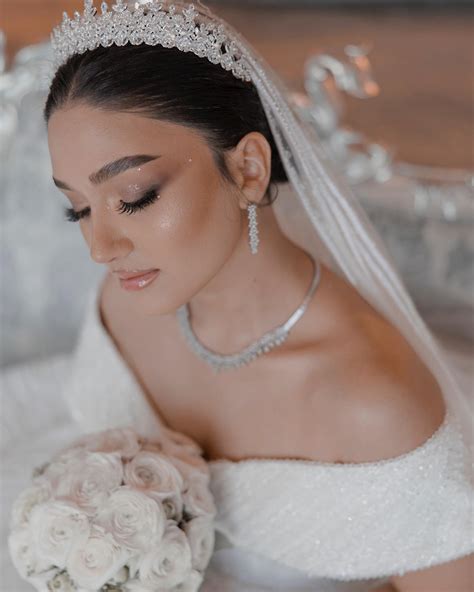
In the vibrant world of beauty content, many creators possess incredible artistry, capable of transforming faces with complex techniques and stunning visual flair. However, the challenge often lies in making this advanced artistry feel approachable and achievable for a wider audience. How can you share your expert-level skills without intimidating beginners or overwhelming intermediate enthusiasts? The key is to break down complexity, focus on clear communication, and foster an environment of learning and empowerment.
Authentically showcasing advanced artistry in accessible beauty tutorials isn’t about dumbing down your skills; it’s about smart teaching. It’s about revealing the magic behind the technique, step by step, in a way that viewers can understand, practice, and ultimately master. Let’s explore strategies to achieve this delicate balance.
Deconstructing Complex Techniques
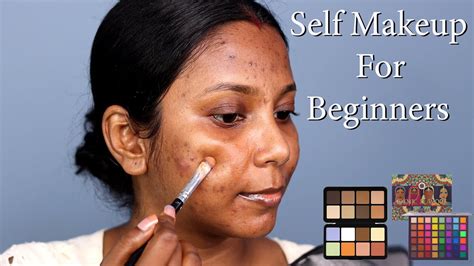
The first step in making advanced artistry accessible is to thoroughly deconstruct each technique. Before filming, identify every micro-step involved in a particular look. For instance, a cut crease isn’t just ‘applying eyeshadow’ – it involves precise priming, careful crease mapping, sharp cutting with concealer, intricate blending, and layering of various shadow textures. Break these down into individual, digestible segments.
- Isolate Key Movements: Focus on the specific brush strokes, angles, and pressure needed for each part.
- Explain the ‘Why’: Don’t just show *what* to do, explain *why* it’s done. Why use a certain brush? Why blend in a specific direction? This builds foundational understanding.
- Start Simple, Then Build: Introduce the core concept with basic products before layering on more advanced elements. For example, demonstrate a basic blend before introducing multiple colors for a gradient.
Mastering Visual and Verbal Communication
Beauty tutorials are inherently visual, but verbal explanations are equally crucial. Your ability to articulate your process clearly will be the cornerstone of accessibility. Use precise, descriptive language without jargon where possible, or explain technical terms as you use them.
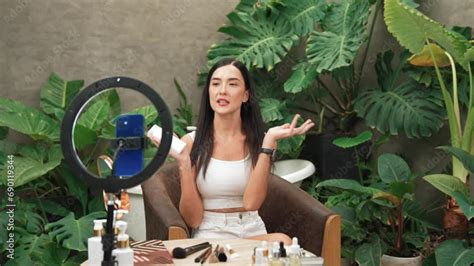
- Clear Camera Angles: Ensure close-ups are sharp and well-lit, showing the exact placement and movement of your hands and tools. Show both the full face and detailed sections.
- Voiceover & Real-time Commentary: Combine real-time demonstration with a detailed voiceover that explains each step as it happens, highlighting key tips and common pitfalls.
- On-Screen Text: Utilize on-screen text for product names, shade numbers, or crucial tips to reinforce verbal instructions.

Product & Tool Alternatives: Inclusive Artistry
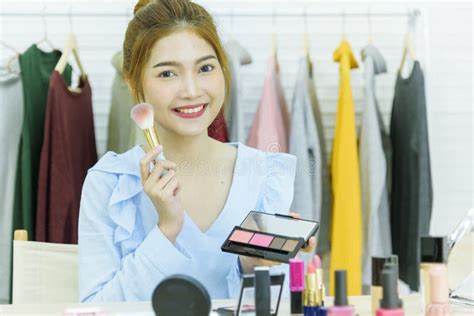
Advanced artistry often involves specialized tools and high-end products. While it’s important to showcase the tools you use, offering alternatives makes your tutorials more inclusive and accessible. Not everyone has access to the exact items in your kit.
- Mention Dupes: Suggest more affordable or widely available alternatives for specific products.
- Explain Tool Function: Instead of just naming a brush, describe its shape and purpose so viewers can find a similar tool they already own.
- Highlight Essential vs. Optional: Differentiate between ‘must-have’ products/tools for a technique and ‘nice-to-have’ extras.
The Role of Theory: Empowering Understanding
Moving beyond just ‘how-to,’ incorporating basic beauty theory elevates your tutorials from mere demonstrations to true educational experiences. When viewers understand the principles behind the artistry, they can adapt techniques to their own features and preferences.
- Color Theory Basics: Briefly explain why certain color combinations work, or how to choose shades that complement different skin tones.
- Face Anatomy: Touch upon concepts like face shapes, eye shapes, and bone structure to explain why you place product in specific areas.
- Blending Science: Discuss the importance of seamless transitions and how different product consistencies impact blending.

Encouraging Practice and Patience
Advanced artistry takes time and practice to master. Your tutorials should inspire viewers, not discourage them if their first attempt isn’t perfect. Foster a supportive community and emphasize the journey of skill development.
- Realistic Expectations: Acknowledge that complex looks take practice. Show bloopers or minor adjustments you make during the process to normalize imperfections.
- Practice Tips: Offer advice on how to practice effectively, such as working on one eye at a time or practicing on a clean canvas before a full face.
- Community Engagement: Encourage viewers to share their attempts, ask questions, and celebrate their progress, creating a supportive learning environment.
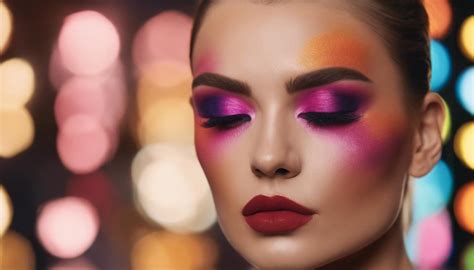
Conclusion: Inspiring Artistic Growth
Authentically showcasing advanced artistry in accessible beauty tutorials is a testament to a creator’s skill not only in makeup but also in teaching. By breaking down complexity, communicating clearly, offering inclusive options, and educating on underlying principles, you empower your audience to not just replicate a look, but to truly understand and grow their own artistic capabilities. This approach builds a loyal, engaged community that trusts your expertise and feels confident in their ability to elevate their own beauty skills, making advanced artistry a shared, joyful pursuit.