
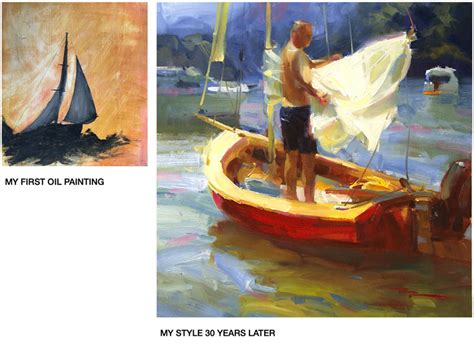

How to curate a Pro Artist Portfolio for maximum elegance and impactful artistry?
Crafting a Showcase of Artistic Excellence
For any professional artist, a portfolio isn’t merely a collection of works; it’s a meticulously curated narrative, a visual resume that speaks volumes about their skill, vision, and unique artistic voice. To achieve maximum elegance and impactful artistry, every element—from selection to presentation—must be considered with intentionality. A stellar portfolio doesn’t just display art; it enthralls, convinces, and leaves a lasting impression, opening doors to opportunities and collaborations.

The Foundation: Strategic Selection and Refined Narrative
The first step in curating an elegant and impactful portfolio is often the hardest: ruthless self-editing. Quality always triumphs over quantity. An overwhelming number of mediocre pieces dilutes the impact of truly outstanding work. Focus on showcasing only your strongest, most representative pieces that align with your artistic goals.
Quality Over Quantity: Less is More
Aim for a concise collection, typically 10-20 pieces, each demonstrating technical proficiency, conceptual strength, and aesthetic appeal. If you’re targeting a specific niche or client, tailor your selection to highlight works most relevant to their interests. Think about the story each piece tells and how it contributes to the overall narrative of your artistic identity.
Cohesion and Thematic Consistency
While diversity can be a strength, a portfolio benefits immensely from a sense of cohesion. Whether through a consistent style, recurring themes, or a particular medium, a unified aesthetic makes your portfolio feel intentional and professional. Arrange your pieces in a logical flow, perhaps chronologically, thematically, or by project, to guide the viewer through your creative journey.
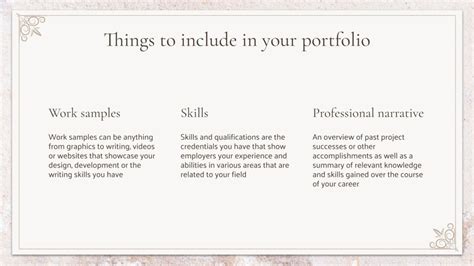
Elevating Artistry Through Impeccable Presentation
Once you’ve selected your core pieces, their presentation becomes paramount. Even the most brilliant artwork can fall flat if poorly documented or displayed.
High-Resolution Visuals: Professional Documentation
Invest in professional photography or high-quality scanning for your artwork. Crisp, color-accurate images that are well-lit and free from distracting backgrounds are non-negotiable. For 3D works, consider multiple angles and detail shots. Poor image quality is an immediate detractor from your professionalism and the perceived value of your art.

Context and Storytelling: Beyond the Image
Each artwork in your portfolio should be accompanied by concise yet informative details. Include the title, dimensions, medium, and year of creation. Beyond these basics, consider adding a brief artist statement or conceptual background for significant pieces. This provides valuable context, enriches the viewer’s understanding, and highlights your thought process and artistic intentions.
Choosing the Right Platform: Digital vs. Physical
Most professional artists require both a digital and, sometimes, a physical portfolio. Your digital portfolio, typically a clean and responsive website, serves as your primary online presence. Ensure it’s easy to navigate, visually appealing, and mobile-friendly. Platforms like Squarespace, Wix, or dedicated art portfolio sites offer excellent templates. For physical portfolios, opt for a professional, durable case or binder with clean matting or mounts for your prints or original pieces. The physical presentation should reflect the care and elegance of your digital one.

Refinement, Feedback, and Ongoing Evolution
A professional portfolio is not a static entity; it’s a living document that evolves with your artistic career. Regular review and refinement are crucial.
Seeking Constructive Feedback
Before presenting your portfolio to the world, seek feedback from trusted peers, mentors, or art professionals. Fresh eyes can spot areas for improvement, highlight overlooked strengths, or identify pieces that might not be serving your overall goal. Be open to constructive criticism, as it’s invaluable for growth.
Regular Updates and Fresh Perspectives
As your art practice grows and changes, so too should your portfolio. Regularly update it with new, stronger works and retire older pieces that no longer represent your current artistic direction. This demonstrates ongoing artistic development and keeps your presentation fresh and relevant.
Conclusion
Curating a professional artist portfolio for maximum elegance and impactful artistry is an art in itself. It demands thoughtful selection, meticulous presentation, and a clear narrative vision. By prioritizing quality, investing in professional documentation, providing meaningful context, and continuously refining your collection, you transform a simple display of work into a powerful statement of your artistic prowess. Your portfolio isn’t just what you’ve created; it’s a testament to who you are as an artist, poised to captivate and inspire.