




How can I use Pro Artist Portfolio to define elegance & enhance artistry for client impact?

The Strategic Role of a Professional Artist Portfolio
For any professional artist, a portfolio is far more than just a collection of work; it’s a meticulously curated narrative that speaks volumes about your artistic vision, skill, and professionalism. To truly define elegance and enhance your artistry for maximum client impact, your portfolio must be a carefully orchestrated presentation designed to captivate and convince. It’s your most powerful tool for conveying not just what you create, but how you perceive and execute beauty.
Defining Elegance Through Thoughtful Portfolio Design
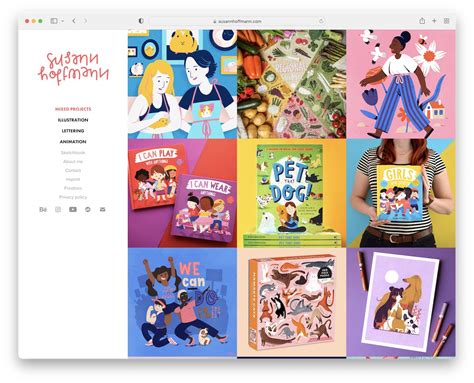
Elegance in a professional artist’s portfolio stems from a combination of deliberate choices in presentation. It’s about refinement, sophistication, and a keen eye for detail. This begins with the overall aesthetic of the portfolio itself:
- Minimalist Layouts: Clean, uncluttered designs allow your artwork to breathe and take center stage. Avoid busy backgrounds or excessive text that can distract from the visual impact.
- High-Quality Presentation: Whether digital or physical, ensure every element is top-notch. High-resolution images, premium paper, professional binding, and well-organized digital files all contribute to an impression of quality and care.
- Strategic Curation: Not every piece you’ve ever created belongs in your professional portfolio. Select only your strongest, most relevant works that align with the type of clients you wish to attract and the artistic voice you want to project. Fewer, exceptional pieces are always more impactful than a vast, inconsistent collection.

Enhancing Artistry by Showcasing Your Process and Vision
Beyond simply displaying finished pieces, a truly effective portfolio enhances your artistry by revealing the depth of your creative process and unique vision. Clients are not just buying a product; they are investing in your unique perspective and skill set.
- Storytelling Elements: Briefly explain the concept, inspiration, or challenge behind a piece. This adds context and allows clients to connect with your work on a deeper intellectual and emotional level.
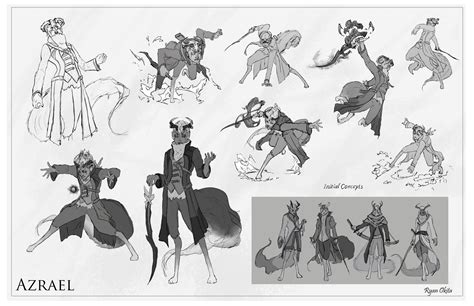
- Process Documentation: Where appropriate, include sketches, mood boards, or work-in-progress shots. This demonstrates your methodology, problem-solving abilities, and the journey of creation, adding perceived value to your final output.
- Variety Within Cohesion: Showcase your range of skills and mediums, but ensure there’s a unifying thread – your signature style or artistic philosophy – that ties everything together. This proves versatility without sacrificing identity.

Maximizing Client Impact and Building Trust
The ultimate goal of your professional artist portfolio is to make a powerful, positive impression on potential clients, leading to commissions and collaborations. A portfolio that defines elegance and enhances artistry naturally achieves this by:
- Establishing Credibility: A polished, professional portfolio instills confidence. It signals that you are serious about your craft and capable of delivering high-quality results.
- Differentiating Your Brand: In a competitive landscape, your portfolio is what sets you apart. A unique presentation and compelling narrative help clients remember your work and your distinct artistic voice.
- Demonstrating Value: When clients see the thought, care, and skill embedded in your portfolio and your work, they are more likely to understand and appreciate the value you bring, making them more willing to invest in your services.

Practical Tips for Crafting an Impactful Portfolio
To ensure your portfolio achieves its full potential:
- Know Your Audience: Tailor your portfolio to the specific clients or opportunities you’re pursuing. A gallery owner might look for different things than a corporate client.
- Get Professional Photography: Even the most stunning artwork needs high-quality reproduction to look its best in a portfolio. Invest in professional photography or learn to do it well yourself.
- Seek Feedback: Share your portfolio with trusted mentors, peers, or even potential clients for constructive criticism. Fresh eyes can spot areas for improvement you might overlook.
- Keep it Updated: Your artistic journey is ongoing. Regularly review and update your portfolio with your latest and best work, retiring older pieces that no longer represent your current skill level or direction.

Conclusion: Your Portfolio as a Reflection of Artistic Excellence
A professional artist’s portfolio is your silent ambassador, a powerful testament to your talent, vision, and dedication. By meticulously defining elegance through its design and thoughtfully enhancing artistry through its content, you create an undeniable impression that resonates deeply with clients. It’s not just about showing what you’ve done, but about powerfully communicating who you are as an artist, solidifying your brand, and ultimately paving the way for lasting client impact and a thriving artistic career.