
What content strategy elevates an ‘Artistry Enhanced’ beauty blog beyond basic reviews?

Moving Beyond the Surface: The Essence of Artistry Enhanced Content
In a saturated digital landscape, a beauty blog that truly aims to be ‘Artistry Enhanced’ must transcend the conventional product review. While reviews certainly have their place, the core of an artistry-focused platform lies in exploring technique, inspiring creativity, and fostering a deeper understanding of beauty as an art form. This requires a deliberate shift in content strategy, moving from mere product descriptions to a rich tapestry of educational, inspirational, and interactive experiences.
The goal is not just to show what a product does, but to demonstrate its potential in the hands of a skilled artist, to break down complex looks into manageable steps, and to connect beauty to broader themes of self-expression and cultural significance. This approach not only attracts a more discerning audience but also establishes the blog as an authoritative and innovative voice in the beauty sphere.
Mastering the Art of In-Depth Tutorials and Technique Breakdowns
The cornerstone of an ‘Artistry Enhanced’ blog is the quality and depth of its tutorials. These aren’t just quick ‘how-to’ guides; they are comprehensive explorations of specific techniques, often demonstrating multiple ways to achieve a look, explaining the ‘why’ behind each step, and offering advanced tips. Content could include:
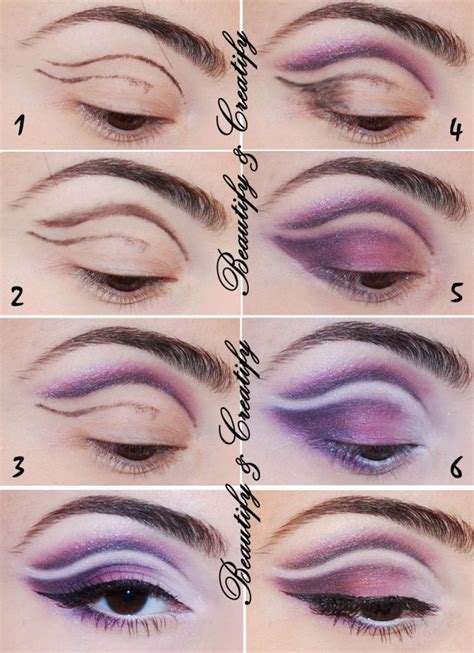
- Masterclass Series: Focused on challenging techniques like cut creases, editorial brows, or advanced contouring, broken down over several posts or a mini-series.
- Tool Deep Dives: Explaining the anatomy of brushes, sponges, or applicators and how to best utilize them for specific artistic effects.
- Color Theory in Practice: Demonstrating how to use the color wheel for harmonious or contrasting eye looks, explaining undertones, and mixing custom shades.
- Product Formulation Focus: How different textures (creams, powders, liquids) interact and layer for various artistic outcomes.
Each tutorial should be meticulously planned, visually rich, and articulate, ensuring readers can truly learn and replicate the artistry.
Weaving Narratives and Artistic Inspiration
Beauty is often inspired by art, fashion, history, and personal stories. An ‘Artistry Enhanced’ blog can leverage this by integrating storytelling and thematic content. Instead of just reviewing an eyeshadow palette, create a look inspired by a specific painting, a historical era, or a natural phenomenon. This adds layers of meaning and interest.
- Themed Lookbooks: Curating looks inspired by seasons, art movements, historical figures, or cinematic aesthetics.
- Behind-the-Scenes of Creation: Documenting the conceptualization process, from mood boards and color selection to the execution of a complex editorial look.
- Interviews with Artists: Featuring makeup artists, photographers, or other creatives who inspire beauty looks, discussing their creative process and influences.
This approach transforms product usage into a form of artistic expression, engaging readers on a deeper, more emotional level.
Curating Expert Insights and Collaborative Projects
To truly elevate beyond basic reviews, bring in other voices and perspectives. Collaborating with other established artists, industry experts, or even emerging talents can introduce fresh perspectives and broaden the blog’s appeal. This could involve:
- Guest Artist Features: Inviting professional makeup artists to share their signature techniques or industry secrets.
- Brand Collaborations with an Artistic Twist: Working with brands not just to review products, but to create unique, editorial looks that showcase the products’ artistic potential.
- Roundtable Discussions: Gathering multiple experts to discuss current trends, ethical considerations in beauty, or the evolution of makeup artistry.
- Educational Series: Partnering with dermatologists or cosmetic chemists to explain the science behind product ingredients in relation to makeup application.
These collaborations lend credibility and provide unique, high-value content that readers won’t find on typical review sites.

Fostering a Community of Creators and Enthusiasts
An ‘Artistry Enhanced’ blog should not be a one-way street. Encourage interaction and participation from your audience. This builds a loyal community and generates user-generated content, further cementing the blog’s artistic identity.
- Artistry Challenges: Hosting monthly challenges where readers recreate a specific look or technique, with features for the best submissions.
- Q&A Sessions: Regular live Q&A sessions or dedicated posts where readers can ask technical questions about artistry.
- Reader Spotlights: Showcasing reader-submitted looks that demonstrate exceptional skill or creativity.
- Interactive Polls: Engaging the audience in decisions about future content, such as what technique to cover next or which artistic theme to explore.
By making the audience part of the creative journey, the blog transforms from a simple content provider into a vibrant hub for beauty enthusiasts and aspiring artists.

Conclusion: Cultivating a Niche of Distinction
Elevating an ‘Artistry Enhanced’ beauty blog beyond basic reviews requires a strategic commitment to depth, inspiration, and interaction. By prioritizing in-depth tutorials, narrative storytelling, expert collaborations, and vibrant community engagement, the blog can carve out a unique niche. It becomes not just a source of information, but a beacon for those who view beauty not just as a routine, but as a passionate art form, fostering a loyal following and establishing true authority in the creative beauty space.