


What layout choices critically enhance a portfolio’s ‘Artistry Enhanced’ elegance?
The Foundation of Elegance: Intentional Design Principles
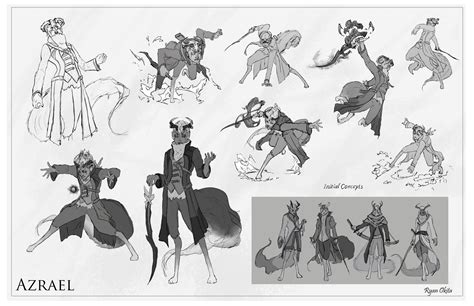
For a professional artist, a portfolio is far more than just a collection of work; it’s a meticulously curated experience designed to communicate artistic vision and skill with profound impact. To truly achieve ‘Artistry Enhanced’ elegance, the layout must be intentional, guiding the viewer’s eye and elevating the perception of your creations. The cornerstone of this elegance lies in embracing clarity, restraint, and the transformative power of ‘less is more’.
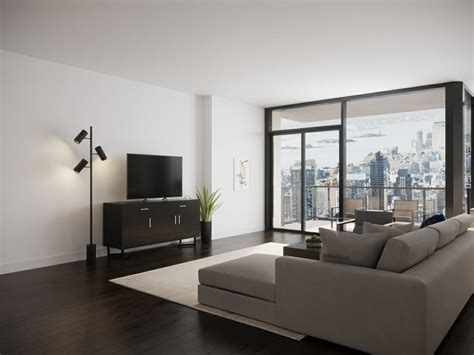
A minimalist approach, prioritizing ample whitespace and a clean aesthetic, instantly lends sophistication. This doesn’t mean a lack of content, but rather a thoughtful placement that allows each piece to breathe and command attention without visual clutter. It’s about creating a tranquil backdrop that allows your artwork to shine, rather than compete with busy design elements.
Strategic Grid Systems and Visual Hierarchy
An underlying grid system is the silent architect of an elegant portfolio. Whether visible or invisible, a consistent grid provides structure, order, and harmony, making the portfolio instinctively easy to navigate and digest. It establishes alignment, consistency in spacing, and a sense of professionalism that speaks volumes about your attention to detail and design sensibility.
Complementing the grid is a well-defined visual hierarchy, which dictates how the viewer’s eye moves across the page or screen. This involves varying image sizes, strategic placement of key pieces, and thoughtful use of negative space to create focal points. Larger, more impactful works should be given pride of place, drawing the viewer in, while smaller, supporting pieces can provide context or demonstrate breadth, all without overwhelming the primary focus.

Curating Your Narrative Through Flow and Pacing
An ‘Artistry Enhanced’ portfolio tells a story. The sequence in which your work is presented is crucial for creating a compelling narrative flow. Consider the journey you want to take your viewer on: perhaps a chronological display of development, a thematic grouping of related works, or a crescendo of your strongest pieces. Each transition should feel natural, drawing the viewer deeper into your artistic world.
Pacing is equally important. Avoid overwhelming the viewer with too many pieces at once. Allow for breathing room between artworks, enabling contemplation and appreciation. This thoughtful pacing demonstrates respect for your art and your audience, ensuring that each piece receives its due attention rather than being lost in a hurried scroll or flip.

Typography, Color Palette, and Materiality
Even subtle elements like typography and color contribute significantly to an portfolio’s elegance. Choose typefaces that are highly legible, refined, and complement the aesthetic of your artwork without drawing undue attention. A carefully selected font pairing—perhaps a classic serif for headings and a clean sans-serif for body text—can reinforce your brand’s sophistication and ensure information is communicated clearly and beautifully.
For digital portfolios, a restrained color palette, often neutral and subtle, ensures that the artwork remains the star. For physical portfolios, the choice of paper stock, binding, and any tactile elements speaks to a commitment to quality and craftsmanship. These material choices should always enhance, never detract from, the inherent beauty of your artistic output.
The Unseen Elements: Cohesion and Attention to Detail
Ultimately, ‘Artistry Enhanced’ elegance is about cohesion. It’s the seamless integration of all layout choices—from whitespace and grids to typography and image sequencing—that creates a unified, sophisticated experience. Every decision, no matter how small, should reinforce your artistic identity and elevate the presentation of your work.
Meticulous attention to detail is the final touch. This includes crisp, high-resolution images, consistent margins, perfectly aligned captions, and impeccably written descriptive text. These seemingly minor details are what distinguish a merely good portfolio from one that exudes an undeniable sense of artistry and professionalism, leaving a lasting and impactful impression.