
How can an ‘Artistry Enhanced’ blog best demonstrate advanced techniques in tutorials?

For a beauty blog truly committed to demonstrating ‘artistry enhanced’ techniques, merely showcasing finished looks or basic product applications falls short. The true measure of an advanced tutorial lies in its ability to deconstruct complex skills, provide profound insight, and empower readers to replicate sophisticated results. This requires a multi-faceted approach, leveraging cutting-edge digital tools and pedagogical strategies to elevate the learning experience.
The Indispensable Role of High-Quality Multimedia
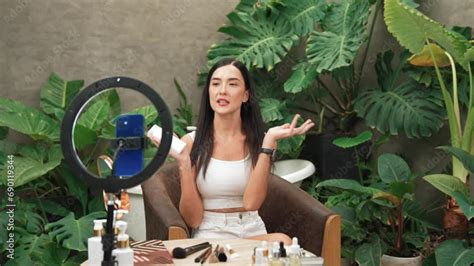
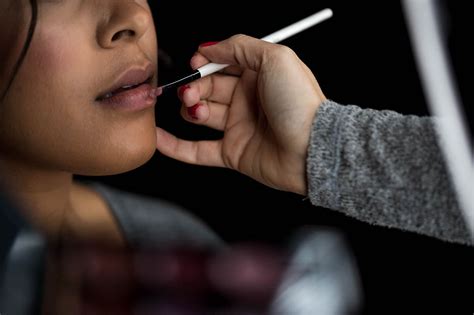
To convey the nuance of advanced beauty techniques, static images, while useful, are often insufficient. An ‘Artistry Enhanced’ blog must heavily invest in high-definition video tutorials that capture every brushstroke, blending motion, and product texture change in real-time. These videos should be well-lit, clearly audible, and offer multiple camera angles to ensure no critical detail is missed. Slow-motion segments can highlight particularly intricate movements, such as fine eyeliner application or delicate cut crease work.
Beyond full-length videos, animated GIFs or short, looping clips are excellent for demonstrating specific micro-techniques—a particular blending motion, a dabbing technique for concealer, or the precise way to hold a tool. This allows readers to quickly grasp a key action without needing to scrub through a longer video. Complementing these moving visuals, exceptionally high-resolution photographs are crucial for illustrating texture, finish, and the subtle interplay of colors, often accompanied by zoom-in features to examine minute details like individual glitter placement or intricate line work.

Deconstructing Complexity Through Detailed Step-by-Step Breakdowns
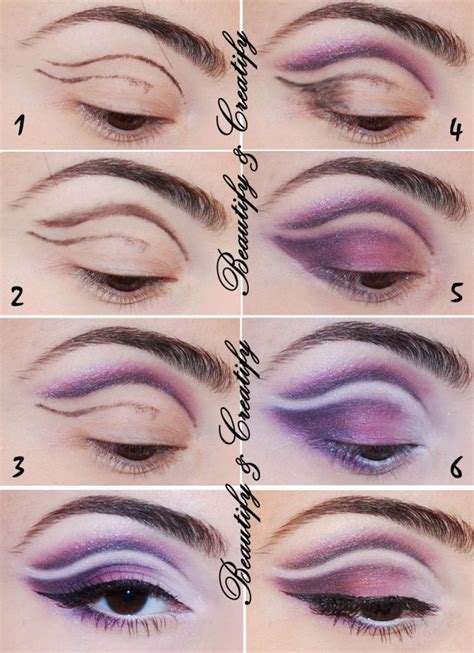
Advanced techniques are, by nature, complex, but an effective tutorial breaks them down into manageable, logical steps. Each step should be clearly articulated, not just showing ‘what’ to do but ‘why’ it’s done that way. This includes explaining the purpose of each product application, the angle of a brush, or the specific pressure required. Incorporating ‘pro tips’ and ‘common pitfalls’ sections within each step adds immense value, guiding learners away from typical mistakes and offering immediate solutions.
The blog should utilize clear labeling, consistent terminology, and perhaps even visual overlays on images or videos to point out specific areas or techniques. For instance, color-coded regions on a face chart within a tutorial can indicate different blending zones, or arrows can show the direction of product application. This pedagogical approach transforms passive viewing into active learning, encouraging readers to understand the underlying principles rather than just mimicking actions.

Fostering Engagement with Interactive Learning Elements
An advanced beauty blog truly shines when it moves beyond a one-way information flow. Interactive elements can significantly enhance the learning experience. Q&A sections and moderated comment threads after each tutorial allow readers to ask specific questions, share their attempts, and receive personalized feedback, often directly from the blog’s experts or guest artists. Live chat sessions or webinars where techniques are demonstrated in real-time, followed by an interactive Q&A, provide an immediate and dynamic learning environment.
Consider implementing interactive tools like “before-and-after” sliders where users can drag a divider across an image to compare the stages of a look, or quizzes to test understanding of a technique’s principles. Downloadable face charts for practice, checklists for gathering necessary products and tools, and printable cheat sheets summarizing key steps can further aid learners in practicing and retaining advanced skills.

Integrating Expert Insights and Theoretical Foundations
True artistry is built on understanding, not just replication. An ‘Artistry Enhanced’ blog should delve into the theoretical underpinnings of beauty. This includes dedicated content on color theory (understanding undertones, complementary colors, and color correction), facial anatomy (contouring, highlighting for different face shapes, eye shapes), and even basic product chemistry (how different formulations interact). These insights elevate the tutorials from mere instructions to comprehensive masterclasses.
Featuring interviews or guest posts from professional makeup artists, dermatologists, or beauty chemists can provide authoritative perspectives and insider tips that are invaluable for advanced learners. Case studies showcasing how a particular technique is adapted for different skin types, age groups, or occasions further demonstrate a nuanced understanding of artistry. This blend of practical application with theoretical knowledge creates a robust educational platform.
Cultivating a Community of Aspiring Artists
The journey of mastering advanced techniques is often collaborative. An ‘Artistry Enhanced’ blog should actively work to build a supportive community. This can involve creating a dedicated forum or Facebook group where members can share their work, ask for constructive criticism, and celebrate successes. Regular challenges or “recreate this look” contests, where users submit their interpretations of a featured advanced technique, can foster engagement and provide valuable practice.
Showcasing user-generated content (with permission) on the blog itself not only inspires others but also validates the learning journey of its community members. Furthermore, developing progressive series of tutorials, moving from foundational advanced skills to truly complex, multi-step artistry, can keep learners engaged long-term, signaling a clear path for skill development and mastery within the blog’s ecosystem.
Conclusion: Elevating Beauty Education Through Artistry
Ultimately, an ‘Artistry Enhanced’ beauty blog distinguishes itself by committing to excellence in education. By meticulously combining high-fidelity multimedia, dissecting complex techniques into digestible steps, integrating interactive elements, providing a solid theoretical foundation, and fostering a vibrant learning community, such a blog can not only demonstrate but truly teach advanced techniques. It transforms the act of viewing a tutorial into a profound learning experience, empowering its audience to transcend basic application and truly master the art of beauty.