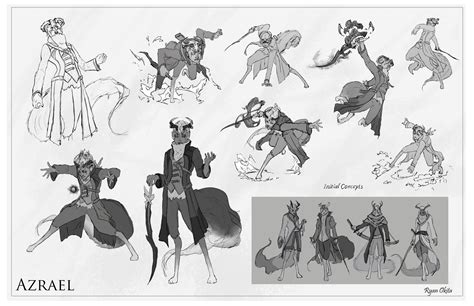



How to curate Pro Artist Portfolio for maximum elegance & impact?

The Foundation of Your Artistic Identity
A professional artist’s portfolio is more than just a collection of artworks; it’s a carefully curated narrative that reflects your artistic vision, skill, and professional aspirations. In a competitive art world, a portfolio that is both elegant and impactful can be the decisive factor in securing opportunities, attracting clients, and establishing your reputation. It’s about presenting your best self, not just your best work, in a way that resonates deeply with your intended audience.

Defining Your Narrative and Audience
Before you even begin selecting pieces, clarity on your artistic identity and target audience is paramount. What story do you want your portfolio to tell? What impression do you want to leave?
Know Your Niche and Style
Are you a minimalist painter, a dynamic sculptor, or an intricate digital artist? Your portfolio should consistently reinforce your unique artistic voice and preferred mediums. Avoid including works that deviate too much from your core style unless you’re intentionally showcasing versatility within a specific theme.
Target Your Audience Effectively
Who are you trying to reach? Gallerists, collectors, art consultants, or commercial clients? Each audience has different expectations. A portfolio aimed at a contemporary gallery might differ subtly from one targeting interior designers, emphasizing different aspects of your work or presentation.
The Art of Selection: Quality Over Quantity
Resist the urge to include every piece you’ve ever created. A strong portfolio is concise, focused, and showcases only your absolute strongest, most representative works.
Choose Your Masterpieces
Select 10-20 of your very best pieces that exemplify your skill, vision, and the narrative you’ve defined. These should be recent works that truly shine and make a statement. If you have a breakthrough series, highlight it.
Show Cohesion and Progression
While variety can be good, ensure your selections maintain a sense of thematic or aesthetic cohesion. The pieces should feel like they belong together, demonstrating a deliberate artistic journey rather than a random assortment. If appropriate, show a progression of your style or a deep exploration of a particular theme.

Presentation is Key: Digital & Physical Excellence
The way your work is presented is as important as the work itself. Meticulous presentation elevates your art and professionalism.
High-Quality Documentation
Invest in professional photography or high-resolution scans of your artwork. Poor lighting, blurry images, or distracting backgrounds can instantly devalue even the most brilliant piece. Ensure accurate color representation.
Consistent Branding and Aesthetics
Whether it’s a website, a PDF, or a physical book, maintain a clean, consistent design aesthetic. Use a professional font, a harmonious color palette, and a clear layout that allows the art to breathe and be the focal point. Your branding should be subtle but present.
User Experience for Digital Portfolios
If your portfolio is online, ensure it’s easy to navigate, mobile-responsive, and loads quickly. High-resolution images should be optimized for web viewing. Include clear calls to action or contact forms.
Professionalism in Physical Portfolios
For physical portfolios, use high-quality prints and archival materials. A custom-made portfolio book or a sleek, organized presentation box can make a profound impression.

Essential Components Beyond the Art
Your portfolio is incomplete without context and information about you, the artist.
Compelling Artist Statement
A concise (100-250 words) artist statement that articulates your artistic philosophy, process, and the core ideas behind your work. It should offer insight and deepen the viewer’s understanding of your art.
Professional Biography/CV
Include a brief professional biography (for general viewing) and a detailed Artist CV (for formal submissions). Highlight your education, exhibitions, awards, residencies, and relevant publications. Keep it updated and error-free.
Clear Contact Information
Make it easy for interested parties to reach you. Include your name, email, phone number, and links to your website or social media (if professional). This should be prominently displayed.

Regularly Review and Update
Your artistic journey is continuous, and so should be the evolution of your portfolio. Review your portfolio at least once a year, or after a significant body of new work emerges. Remove older, weaker pieces and replace them with your latest and greatest achievements. Solicit feedback from trusted peers or mentors to gain fresh perspectives.

Conclusion
Curating a professional artist portfolio for maximum elegance and impact is an ongoing process that requires self-reflection, strategic selection, and meticulous presentation. By focusing on your unique narrative, showcasing only your strongest works, and presenting them with impeccable professionalism, you can create a portfolio that not only highlights your talent but also effectively communicates your artistic value to the world, opening doors to new and exciting opportunities.