


Optimal strategy for an elegant, high-impact digital art portfolio?
In the competitive realm of digital art, a portfolio isn’t just a collection of your work; it’s your most powerful marketing tool, a visual resume, and a statement of your artistic identity. An optimal strategy for an elegant, high-impact digital art portfolio hinges on a blend of thoughtful curation, impeccable presentation, and strategic reach. It’s about more than just showcasing pretty pictures; it’s about telling a cohesive story, demonstrating your unique skills, and proving your professional value.
Defining Your Artistic Niche and Audience
Before selecting a single piece, clarify your artistic niche and target audience. Are you aiming for game development, concept art, illustration, fine art, or commercial commissions? Understanding who you want to impress — art directors, gallerists, clients, or collectors — will dictate the style, content, and tone of your portfolio. An elegant portfolio is one that speaks directly and powerfully to its intended viewer, presenting only the work most relevant to their interests.
Curating for Impact: Quality Over Quantity
The single most crucial aspect of an optimal portfolio is judicious curation. Resist the urge to include every piece you’ve ever created. Instead, focus on your absolute strongest, most cohesive work that aligns with your defined niche. Aim for 10-20 stellar pieces that demonstrate a consistent level of quality, technical skill, and artistic voice. Each piece should be a testament to your abilities, ideally showcasing a range of techniques or problem-solving skills relevant to your target industry.
Platform Power: Choosing the Right Digital Stage
Where you host your portfolio significantly influences its impact. A dedicated personal website offers maximum control over branding, layout, and user experience, projecting professionalism. Platforms like ArtStation, Behance, and DeviantArt are excellent for visibility within specific creative communities and can serve as supplementary showcases or entry points. Social media (Instagram, Pinterest, LinkedIn) can drive traffic but should not be your primary portfolio. Choose platforms that resonate with your target audience and best present your work.
Presentation Perfection: Design, User Experience, and Branding
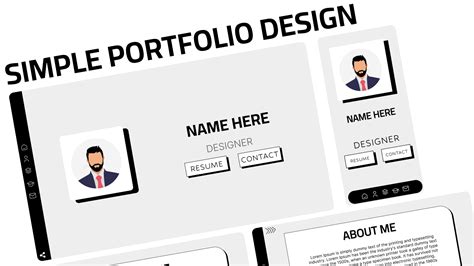
An elegant portfolio is not just about the art, but also its presentation. Invest in a clean, minimalist design that puts your work front and center, free from distractions. Ensure fast loading times, mobile responsiveness, and intuitive navigation. High-resolution images are non-negotiable, and consider adding details like close-ups, process shots, or brief project descriptions to provide context. Consistency in branding – from your logo and color palette to your artist statement – reinforces your professional identity.

Beyond the Visuals: The Narrative and Professionalism
An impactful portfolio extends beyond mere visuals. Include a concise, compelling artist statement or ‘about’ section that articulates your vision, inspirations, and what you offer. Provide clear contact information, and consider adding a resume or CV. If applicable, testimonials from previous clients or collaborators can add significant credibility. For project-based work, a brief case study explaining your role, challenges, and solutions can differentiate you from others.
Continuous Evolution: Updating and Feedback
Your digital art portfolio is a living document, not a static monument. Regularly update it with your newest, strongest work, and remove anything that no longer reflects your current skill level or artistic direction. Seek feedback from trusted peers, mentors, or even art directors in your target industry. Constructive criticism is invaluable for refining your selection and presentation. Staying current and responsive to industry trends ensures your portfolio remains relevant and impactful.
By adhering to these strategies – focusing on clear vision, ruthless curation, strategic platform choice, flawless presentation, professional context, and continuous refinement – you can build a digital art portfolio that is not only elegant but also highly effective in advancing your professional art career.