


To define elegance & enhance artistry, how should I curate my pro portfolio for impact?

The Art of Strategic Curation: Beyond a Collection
For professional artists, a portfolio is far more than a mere collection of works; it’s a meticulously crafted narrative, a statement of intent, and a powerful tool for impact. In a competitive landscape, standing out requires not just exceptional talent, but an elegant presentation that elevates your artistry. This guide explores how to curate your portfolio to define your unique aesthetic, enhance your artistic voice, and leave an indelible mark on potential clients, galleries, and collaborators.
Defining Elegance and Artistry in Your Selection
The first step in impactful curation is a ruthless commitment to quality over quantity. Elegance in a portfolio implies thoughtful selection, where every piece serves a purpose. It’s about showcasing your absolute best work, not just your most recent or experimental. Artistry, in this context, refers to the consistent demonstration of skill, vision, and your distinctive creative fingerprint across your chosen pieces. Ask yourself: Does this piece truly represent my refined aesthetic? Does it contribute to the overall story I want to tell about my capabilities?
Focus on a cohesive body of work that highlights your strengths and artistic evolution. A portfolio that presents a clear stylistic direction or explores a specific theme often communicates greater confidence and mastery than a disparate collection of works. This doesn’t mean limiting your creativity, but rather organizing it in a way that viewers can easily grasp your core identity.

Crafting a Cohesive Narrative and Flow
A truly impactful portfolio tells a story. The arrangement of your pieces should guide the viewer through your artistic journey, building momentum and revealing new facets of your talent. Consider the emotional and visual flow from one piece to the next. Are there thematic connections? Do certain works speak to each other? A logical progression not only holds attention but also allows your audience to understand the depth and breadth of your artistic thought process.
Whether you arrange chronologically, thematically, or by medium, ensure there’s a rationale behind the order. Each transition should feel natural, allowing the viewer to absorb and appreciate each piece before moving to the next. The narrative should subtly reinforce your artistic signature and the elegance of your creative journey.

Presentation Matters: Digital & Physical Polish
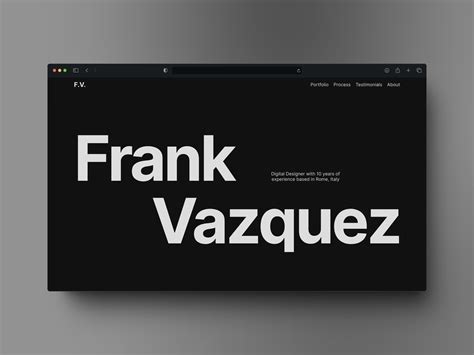
The impact of your portfolio is significantly amplified by its presentation. For digital portfolios, invest in high-resolution photography of your artwork; blurry or poorly lit images instantly detract from your professionalism. Choose a clean, user-friendly website template that prioritizes your art, minimizing distractions. Ensure fast loading times and mobile responsiveness. Your website itself should be an extension of your artistic elegance.
For physical portfolios, the quality of your prints, mounting, and binder speaks volumes. Opt for professional printing, archival materials, and a sophisticated, understated presentation. The tactile experience of handling a well-presented physical portfolio can be incredibly powerful, demonstrating attention to detail and respect for your craft.

Understanding Your Audience and Purpose
An impactful portfolio is often a targeted one. Before curating, identify your primary audience and the specific opportunities you’re pursuing. Are you seeking gallery representation, commissions, teaching positions, or commercial projects? While your core artistic identity remains constant, slight adjustments in emphasis can significantly enhance impact. A portfolio for a fine art gallery might prioritize conceptual depth and personal expression, whereas a commercial client might seek clear examples of stylistic versatility and project execution.
Tailoring your selection, and even the accompanying text (artist statement, bio), ensures that your portfolio directly addresses the needs and interests of your target viewer. This demonstrates not only your artistry but also your strategic thinking and professionalism.

Continuous Refinement and Seeking Feedback
Portfolio curation is an ongoing process, not a one-time task. Regularly revisit and refine your selection, especially as your artistry evolves. What was your strongest work last year might be overshadowed by new masterpieces today. Stay current, remove outdated pieces, and incorporate new works that better reflect your current artistic direction and skill level.
Perhaps most importantly, seek external feedback from trusted mentors, fellow artists, or industry professionals. A fresh pair of eyes can offer invaluable insights into the clarity of your narrative, the impact of your selection, and any areas for improvement in presentation. Constructive criticism is a vital tool for honing the elegance and enhancing the artistry of your professional portfolio, ensuring it consistently makes the strongest possible impact.