


How can we best prompt customers to detail the *artistry* and *elegance* in their product reviews?

Unlocking the True Story Behind Every Product
In the vast landscape of e-commerce, product reviews serve as critical social proof, guiding potential buyers and building trust. Yet, many reviews merely scratch the surface, focusing on functionality and basic satisfaction. For products where design, craftsmanship, and aesthetic appeal are paramount – be it bespoke jewelry, designer fashion, artisanal home goods, or high-end electronics – capturing the artistry and elegance in customer feedback is essential. These deeper descriptions don’t just sell a product; they tell its story, build an emotional connection, and differentiate it in a crowded market.
The Power of Artistry and Elegance in Customer Narratives
When customers articulate the finer points of a product’s design, the meticulous handiwork, or the graceful way it integrates into their lives, they provide invaluable insights that go beyond star ratings. These qualitative details resonate deeply with other discerning buyers who are seeking more than just utility. Such rich descriptions paint a vivid picture, allowing prospective customers to envision the product’s impact on their own aesthetic sensibilities and lifestyle, fostering a desire that transcends mere need.
Furthermore, reviews that highlight artistry and elegance serve as powerful testimonials to a brand’s commitment to quality and design philosophy. They validate the premium positioning of a product and cultivate a community of customers who appreciate the nuanced beauty and thoughtful creation inherent in what they purchase.
Crafting Prompt Questions That Inspire Detail
Moving beyond generic “What did you think?” prompts is the first crucial step. To elicit descriptions of artistry and elegance, questions must be targeted and evocative. Consider integrating specific prompts into your review process:
- “What aspect of the design or craftsmanship truly stands out to you?”
- “How does the product’s aesthetic contribute to the overall experience or feel?”
- “Describe the unique details that highlight its quality or elegance.”
- “In what ways does this product’s artistry elevate your space or personal style?”
- “If you had to describe its elegance to a friend, what words would you use?”
These questions nudge customers to think critically about the product’s aesthetic qualities rather than just its performance. Providing optional fields with these specific questions can encourage more thoughtful responses without being mandatory or overwhelming.

Leveraging Structured Fields and Illustrative Examples
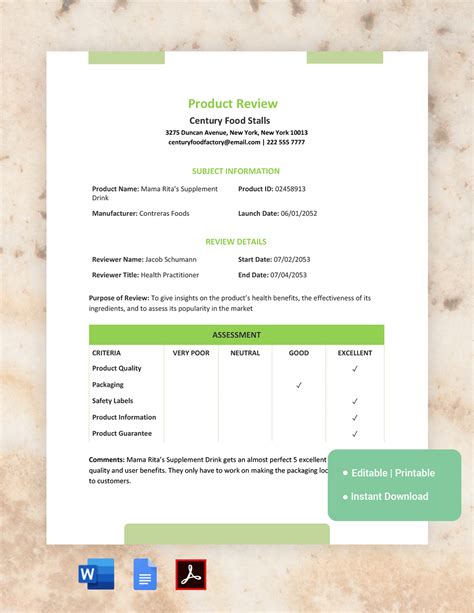
Beyond open-ended questions, structured review fields can guide customers. For instance, you might have specific text boxes labeled “Design Highlights,” “Craftsmanship Details,” or “Elegance Factor.” These dedicated sections frame the expectation for a certain type of feedback.
Additionally, providing subtle examples or sentence starters can be highly effective. For example, a prompt could read: “Describe the product’s elegance (e.g., ‘Its graceful lines…’, ‘The exquisite detailing…’, ‘A truly sophisticated touch…’).” This gives customers a vocabulary and a framework, making it easier for them to articulate their observations even if they aren’t naturally inclined to do so.
Encouraging Visual Storytelling and Community Spotlights
Often, customers find it easier to show than to tell. Encourage photo and video reviews, specifically prompting users to capture the details that exemplify artistry and elegance. For instance, “Share a photo highlighting your favorite design detail,” or “Record a short video showcasing the product’s elegant movement or texture.”
Furthermore, spotlighting exceptional reviews that beautifully describe artistry and elegance can inspire others. Feature these reviews prominently on product pages, social media, or in newsletters. Creating a “Review of the Month” or a “Most Elegant Review” contest can gamify the process, rewarding customers for their articulate and descriptive contributions and setting a benchmark for others.

Refining Feedback Loops and Future Innovations
Finally, consider how you can refine your feedback loops. If an initial review is short, a polite follow-up email could ask for additional details focusing on design or craftsmanship. AI-powered review platforms are also emerging, capable of analyzing initial text and offering follow-up prompts to enrich sparse reviews.
By actively seeking and celebrating reviews that delve into the artistic and elegant aspects of your products, you not only gather more compelling user-generated content but also cultivate a customer base that deeply appreciates the value and story behind your brand.