



What are key editing techniques to truly define exquisite makeup artistry in photos?

In the competitive world of beauty, showcasing makeup artistry isn’t just about the skill of application; it’s also about how that artistry is presented. A perfectly executed makeup look can be diminished by poor lighting, unflattering angles, or inadequate post-production. Mastering key editing techniques is crucial for transforming a good photograph into an exquisite visual testament to a makeup artist’s talent.
The Art of Post-Production: Elevating Makeup Visuals
Editing isn’t about deception; it’s about enhancement and correction. It’s about bringing out the true colors, refining textures, and ensuring the viewer’s eye is drawn exactly where the artist intends. Effective post-production can correct minor imperfections in a shot, adjust lighting to highlight contours, and create a mood that complements the makeup’s aesthetic.
Mastering Color Correction and Grading
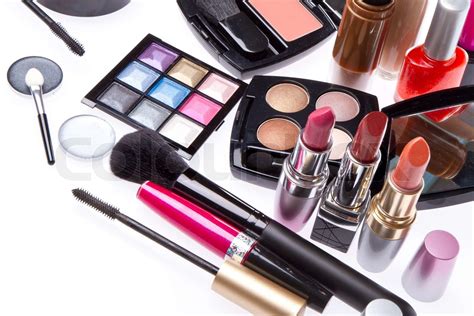
One of the most critical aspects of beauty photo editing is color. The goal is to accurately represent the makeup colors while ensuring skin tones look natural and appealing. This involves:
- White Balance Adjustment: Correcting any color casts caused by lighting conditions to ensure whites are true and colors are accurate.
- Color Vibrancy and Saturation: Carefully adjusting these to make makeup shades pop without looking unnatural or oversaturated.
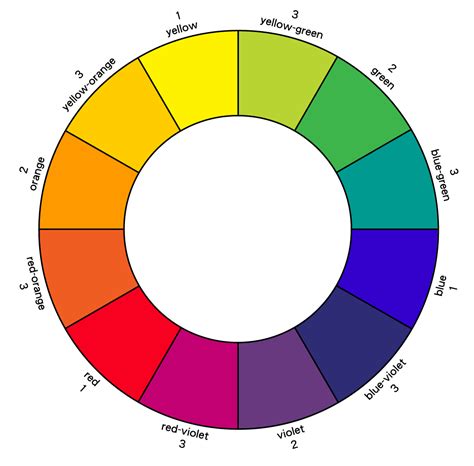
- Selective Color Adjustments: Targeting specific hues, like reds in lipstick or blues in eyeshadow, to fine-tune their intensity and tone.
Flawless Skin, Realistically Achieved
Skin retouching in makeup photography requires a delicate hand. The aim is to create a smooth, luminous complexion while preserving the natural texture of the skin. Techniques include:
- Blemish Removal: Gently removing temporary imperfections like pimples or stray hairs without blurring the skin.
- Frequency Separation: A powerful technique that allows for smoothing skin tones and colors while maintaining pores and fine lines.
- Dodge & Burn: Subtly enhancing natural highlights and shadows to add dimension and sculpt the face, mirroring real-life makeup contouring.
Enhancing Eyes, Lips, and Key Features
The eyes and lips are often the focal points of a makeup look. Editing can accentuate their artistry:
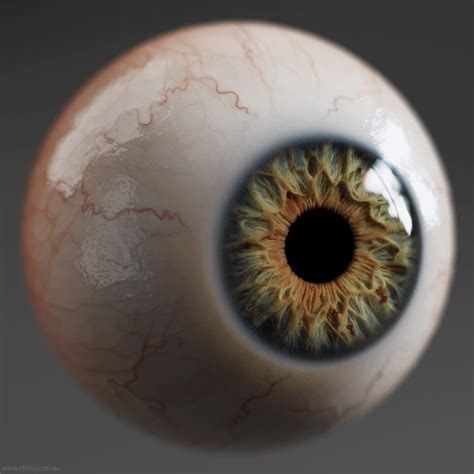
- Eye Enhancement: Sharpening the iris, subtly brightening the whites of the eyes, and refining eyeliner or lash details to make them stand out.
- Lip Definition: Sharpening lip lines, enhancing lip color, and adding a subtle gleam to demonstrate texture and finish.
- Brow Refinement: Taming stray hairs and ensuring brow shape is perfectly defined.
Controlling Light and Shadow
Effective lighting can make or break a makeup shot. Post-production can refine it:
- Exposure and Contrast: Adjusting overall brightness and the difference between light and dark areas to make the image punchier.
- Highlight and Shadow Recovery: Pulling detail back from overexposed highlights or underexposed shadows to create a more balanced image.
- Vignetting: Judiciously adding a subtle dark edge to draw the viewer’s eye towards the center, where the makeup artistry resides.
Refining the Background and Composition
A cluttered or distracting background can detract from even the most stunning makeup. Editing techniques can help:
- Background Cleanup: Removing distracting elements or imperfections from the background.
- Background Blur (Bokeh): Artificially adding or enhancing blur to the background to make the subject truly stand out.
- Cropping and Straightening: Ensuring the composition is balanced, lines are straight, and the subject is positioned effectively within the frame.

The Ethical Balance: Authenticity vs. Perfection
While editing is powerful, it’s crucial to maintain authenticity. The goal is to enhance, not to create an unrealistic representation. Over-editing can lead to an artificial, ‘plastic’ look that detracts from the genuine artistry. The most exquisite makeup photography strikes a delicate balance between technical perfection and the natural beauty of the subject and the makeup application.

Conclusion
For makeup artists and beauty photographers alike, mastering these key editing techniques is indispensable. They are the final brushstrokes that transform a beautiful moment into a lasting, professional image, truly defining and showcasing the exquisite artistry of makeup. By understanding and applying these methods thoughtfully, you ensure that every pigment, every contour, and every shimmer is presented in its most captivating light.