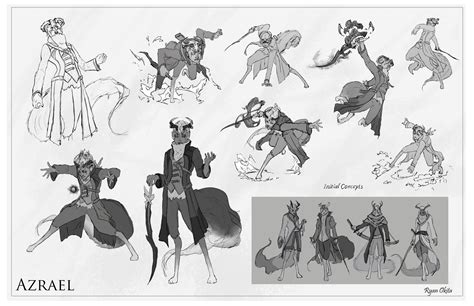
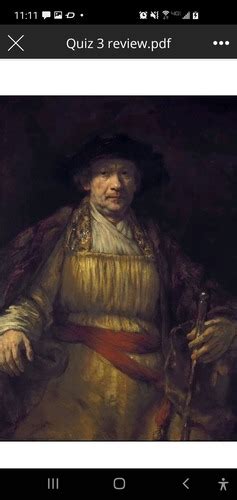



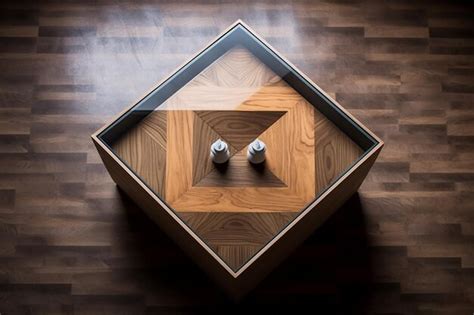
How to curate Pro Artist Portfolio for enhanced artistry and defined elegance?
For any professional artist, a portfolio is far more than just a collection of work; it’s a meticulously crafted narrative, a statement of identity, and a powerful tool for career advancement. Curating a pro artist portfolio isn’t merely about assembling your best pieces, but about thoughtfully selecting, presenting, and contextualizing your art to convey enhanced artistry and defined elegance. This process demands a discerning eye, strategic thinking, and a commitment to quality that transcends individual artworks.
Defining Your Artistic Vision and Niche
Before you even begin selecting pieces, it’s crucial to have a clear understanding of your artistic identity. What is your unique voice? What themes do you explore? What medium defines your signature style? A strong portfolio speaks to a cohesive vision, demonstrating not only technical skill but also intellectual depth and artistic consistency. Identify your target audience and the specific opportunities you’re aiming for, as this will influence the selection and presentation of your work.
Consider the overarching narrative you wish to convey. Are you a minimalist sculptor, a vibrant abstract painter, or a meticulous realist illustrator? Your portfolio should reflect this core identity without confusion. Understanding your niche allows you to present a focused body of work that resonates with gallerists, clients, or collectors looking for a specific aesthetic or skill set.
The Art of Selection: Quality Over Quantity
This is perhaps the most critical stage of portfolio curation. Resist the urge to include every piece you’ve ever created. Instead, apply a rigorous selection process: choose only your absolute strongest, most representative works. A common mistake is to include too many pieces, diluting the impact of your best work. Aim for quality over quantity, typically 10-20 pieces for a professional portfolio, depending on the art form and purpose.
Ensure that each piece included showcases a particular skill, a unique concept, or represents a significant milestone in your artistic journey. Look for consistency in style, theme, or technique, demonstrating mastery and a clear progression. If a piece doesn’t elevate the overall impression of your portfolio, it shouldn’t be there, no matter how much personal attachment you might have to it.
Presentation is Paramount: Physical and Digital Formats
Once you’ve selected your works, their presentation is key to conveying elegance. For digital portfolios, invest in high-resolution photography or scans of your artwork. Poor lighting, blurry images, or distracting backgrounds can undermine even the most brilliant art. Utilize professional online platforms (like a dedicated website, Behance, ArtStation, or a bespoke online gallery) that offer clean aesthetics and intuitive navigation. Ensure your digital portfolio is mobile-responsive and loads quickly.
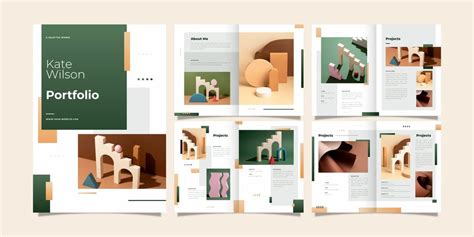
For physical portfolios, consider the materiality. High-quality prints, elegant binders, and professional framing for gallery viewings are essential. The way your physical portfolio is handled and viewed should feel like an experience, reflecting the care and professionalism inherent in your art. Both formats should include concise titles, dimensions, mediums, and dates for each piece.

Crafting a Compelling Narrative
An elegant portfolio doesn’t just display art; it tells a story. Each artwork, and the collection as a whole, should contribute to a broader narrative about you as an artist. Include a professional artist statement that articulates your philosophy, influences, and the core ideas behind your work. For individual pieces, provide brief, engaging descriptions that offer insight into your process, inspiration, or conceptual framework without over-explaining.
Consider the flow of your portfolio. Arrange works in a logical sequence, perhaps chronologically, thematically, or by progression of skill. The goal is to guide the viewer through your artistic journey, creating a memorable and coherent experience that highlights your unique perspective and contribution to the art world.

Continuous Refinement and Professionalism
A professional portfolio is not a static entity; it’s a living document that evolves with your artistic practice. Regularly review and update your portfolio to reflect your latest achievements and artistic growth. Seek feedback from trusted peers, mentors, or art professionals to gain fresh perspectives and identify areas for improvement.
Always tailor your portfolio for specific opportunities. A portfolio for a gallery submission might differ slightly from one for a commission client or a grant application. Ensure your contact information, artist CV/resume, and any relevant links are easily accessible and up-to-date. This attention to detail reinforces your professionalism and commitment to your craft.
Curating a pro artist portfolio for enhanced artistry and defined elegance is an ongoing journey of self-reflection, strategic selection, and impeccable presentation. By investing time and thought into each aspect, you transform a collection of artworks into a powerful, compelling statement that not only showcases your talent but also articulates your unique vision, opening doors to new opportunities and solidifying your place in the art world.