




How do I curate an artist portfolio for elegant impact and high-end client appeal?
For professional artists, a portfolio is far more than just a collection of work; it’s a powerful statement of artistic identity, skill, and potential value. When targeting high-end clients – those seeking investment, prestige, and unique artistic experiences – your portfolio must transcend mere display and embody elegance, sophistication, and an undeniable impact. This guide will walk you through the essential steps to curate a portfolio that not only showcases your talent but also resonates deeply with a discerning clientele.
Understand Your Elite Audience and Artistic Niche
To appeal to high-end clients, you must first understand them. These individuals are often collectors, gallerists, interior designers working on luxury projects, or corporate art consultants. They seek authenticity, originality, and a compelling narrative behind the art. They are looking for quality, longevity, and a piece that will enhance their curated spaces or collections. Define your artistic niche, articulate your unique voice, and consider how your work aligns with the values and aesthetics cherished by this discerning demographic. What unique problem does your art solve, or what emotion does it evoke for this specific audience?
By clearly defining your ideal client and understanding their motivations, you can tailor your portfolio to directly address their desires, showcasing not just what you do, but why it matters to them.

The Art of Strategic Selection: Quality Over Quantity
For a high-end portfolio, less is unequivocally more. Resist the urge to include every piece you’ve ever created. Instead, meticulously select only your absolute strongest, most representative, and most consistent works. Focus on pieces that demonstrate exceptional technical mastery, conceptual depth, and a cohesive aesthetic. Each artwork included should serve a purpose: to highlight a specific skill, convey a particular theme, or showcase the evolution of your artistic voice.
Ensure that the chosen pieces align with the type of work your target clients are seeking. If you aim to sell large-scale abstract paintings, don’t fill your portfolio with small figurative sketches. Consistency in style, theme, or technique across the selected works builds a powerful, unified impression, signaling a mature and focused artistic practice.
Elevated Presentation: Digital and Physical Excellence
The presentation of your portfolio is just as crucial as the art itself. For digital portfolios, professional, high-resolution photography of your work is non-negotiable. Poor lighting, blurry images, or distracting backgrounds will instantly detract from the perceived value of your art. Invest in a professional photographer or learn to photograph your work impeccably. Your website or online platform should be minimalist, elegant, easy to navigate, and mobile-responsive, allowing the art to take center stage without visual clutter.
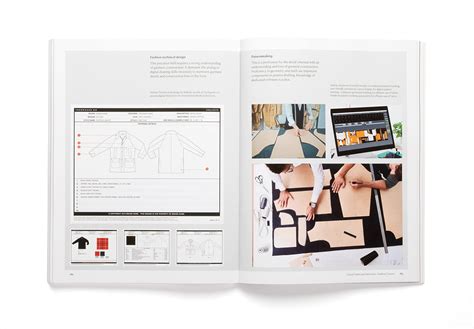
For physical portfolios, consider bespoke, high-quality materials. Think fine art prints, custom-bound books, or beautifully crafted presentation boxes. The tactile experience should evoke luxury and attention to detail. Ensure impeccable layouts, clean typography for accompanying text, and a refined aesthetic that mirrors the quality of your artwork.
Crafting a Compelling Narrative and Artist Statement
High-end clients often seek more than just a beautiful object; they desire a story, a connection to the artist’s vision and process. Your portfolio should include a concise, impactful artist statement that articulates your vision, inspirations, and the conceptual underpinnings of your work. This statement should not merely describe your art but reveal the ‘why’ behind it, offering insight into your creative journey and artistic philosophy.
Beyond the statement, consider including brief, engaging descriptions for individual pieces or series that provide context without over-explaining. Share your process or unique techniques if they add to the mystique and value of your work. A compelling narrative transforms a collection of images into an immersive experience, inviting clients to connect with your art on a deeper, more personal level.

Professionalism Beyond the Art
To truly appeal to high-end clients, your professionalism must extend beyond the visual appeal of your artwork. Ensure all relevant details are clearly presented for each piece: title, dimensions, medium, year of creation, and availability. If you are selling, have a clear and transparent pricing structure, and be prepared to discuss your pricing philosophy confidently. Include contact information that is easy to find and use.
Finally, demonstrate your professionalism through prompt and clear communication, organized follow-up, and a sophisticated approach to client interactions. This holistic presentation, combining artistic excellence with business acumen, builds trust and reinforces your status as a serious, investable artist.

Curating an artist portfolio for elegant impact and high-end client appeal is an intentional, strategic process. It demands a critical eye for selection, an uncompromising commitment to quality in presentation, and a compelling narrative that resonates with a sophisticated audience. By focusing on these elements, you not only showcase your art but also your professionalism, vision, and readiness to engage with the most discerning patrons in the art world.