
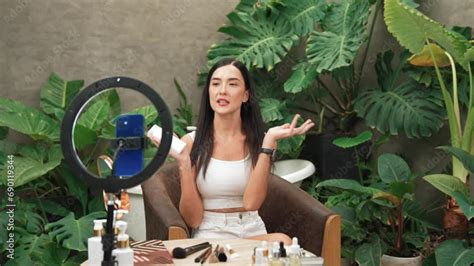
How to simplify complex makeup artistry tutorials for an elegant, engaged audience?
Creating compelling makeup artistry tutorials can be a delicate balance, especially when your audience values elegance and practicality. While complex techniques can be visually stunning, simplifying them without losing their essence is key to maintaining engagement and providing genuine value. This guide will walk you through the process of distilling intricate looks into accessible, actionable steps for your discerning followers.
Understand Your Audience’s Aspirations
An elegant, engaged audience isn’t just looking for a quick fix; they’re seeking refined skills and sophisticated knowledge. They appreciate clarity, quality, and a sense of effortlessness in the final look. Before you even begin planning a tutorial, take time to consider what ‘simplification’ means to them. It’s less about removing steps entirely and more about making each step crystal clear, purposeful, and achievable within their lifestyle.
Break Down the Look Into Core Components
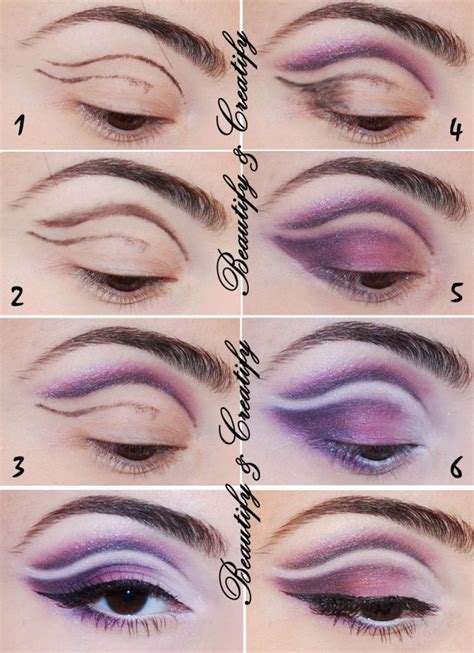
Complex artistry often involves layering multiple techniques. To simplify, identify the absolute essential elements that define the look. For instance, a cut crease might involve several blending steps, but its core is the defined line and the two distinct areas of shadow. Focus your teaching on mastering these fundamental components first, then suggest optional embellishments for those who wish to advance.
Deconstruct the Technique
Instead of demonstrating a full face, consider focusing on a single, impactful element per tutorial. This could be ‘Mastering the Smoky Eye,’ ‘Perfecting the Feline Flick,’ or ‘Achieving a Flawless Base.’ By isolating skills, you empower your audience to build their repertoire confidently. Break down each chosen technique into small, logical segments. Think about the ‘why’ behind each step, not just the ‘how.’
Emphasize Product Selection and Tools
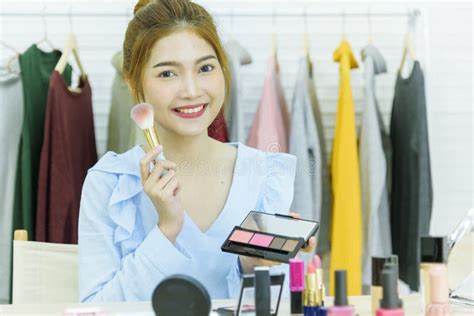
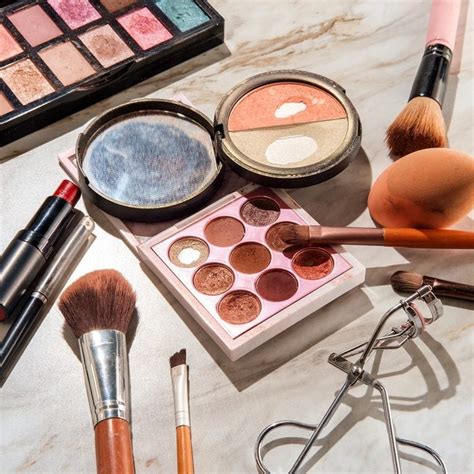
For an elegant audience, quality tools and suitable products are non-negotiable. Integrate brief explanations of why certain brushes or formulas are ideal for a particular step. Simplify product choices by recommending versatile items or suggesting specific alternatives based on skill level (e.g., ‘a cream shadow for beginners, powder for advanced users’).
Show, Don’t Just Tell
Visual demonstration is paramount. Use clear, well-lit close-ups that show the texture of products, the angle of brushes, and the direction of application. Speed up repetitive or less crucial parts of the video, but slow down and even repeat critical steps. Use on-screen text overlays to highlight key product names, brush numbers, or pro tips.

Craft Engaging and Concise Narratives
Your verbal explanations should be as polished and refined as the makeup itself. Use clear, concise language, avoiding overly technical jargon without explanation. Adopt a calm, confident, and encouraging tone. Imagine you’re teaching a private masterclass rather than simply narrating a video. An elegant audience appreciates brevity and precision in communication.
Interactive Elements and Q&A
Foster engagement by inviting questions and feedback. Dedicate a segment in your tutorials or a follow-up post to address common queries. This not only clarifies doubts but also makes your audience feel valued and heard, strengthening their connection to your content. Encourage them to share their simplified versions of the look.
The Power of Practice and Refinement
Remind your audience that practice is essential. Frame simplification not as a shortcut, but as a smart path to mastery. Encourage them to try one step at a time and celebrate small victories. By consistently providing content that is not only beautiful but also genuinely helpful and easy to follow, you will build a loyal and deeply engaged community around your artistry.