

How can artists create an elegant visual flow & ‘enhanced artistry’ in their pro portfolio?
The Importance of Visual Flow in Your Art Portfolio
For professional artists, a portfolio is more than just a collection of works; it’s a meticulously crafted narrative, a visual conversation with potential clients, galleries, and collectors. Creating an elegant visual flow and ‘enhanced artistry’ within this crucial document transforms it from a mere showcase into a compelling experience. It’s about guiding the viewer’s eye seamlessly from one piece to the next, building a cohesive impression, and reinforcing your unique artistic identity. Without this thoughtful organization, even the most breathtaking individual pieces can lose their impact.
Beyond Just Beautiful Art
While the quality of your artwork is paramount, its presentation dictates how it’s perceived. An elegant visual flow ensures that your portfolio tells a story, revealing your artistic journey, technical prowess, and conceptual depth in a structured and engaging manner. It speaks to your professionalism, your attention to detail, and your understanding of design principles – qualities highly valued by those evaluating your work.
Curating for Cohesion and Impact
The first step in creating visual flow is ruthless curation. It’s not about including every piece you’ve ever made, but selecting only your strongest, most representative works that align with your current artistic direction and the audience you wish to attract. Aim for quality over quantity, as a smaller, tightly curated selection of exceptional pieces will always outshine a large, inconsistent one. Consider the themes, color palettes, and stylistic elements that connect your chosen works.
Strategic Sequencing: Guiding the Viewer’s Eye
Once you have your refined selection, the order in which they appear is critical. Think of your portfolio as a visual journey with a beginning, middle, and end. Start with a strong, impactful piece that immediately grabs attention. Follow with works that demonstrate your range and consistency, perhaps building a mini-narrative or exploring variations on a theme. Avoid jarring transitions; instead, look for subtle visual links between pieces – a recurring motif, a similar compositional structure, or a harmonious color palette – that can ease the viewer from one artwork to the next. Conclude with another memorable piece that leaves a lasting impression.
Mastering Presentation: High-Quality Imagery and Design
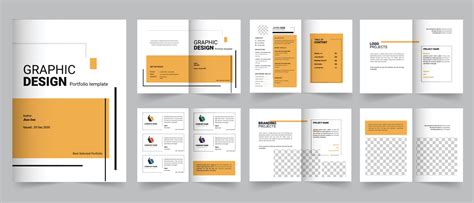
Even the most beautifully curated and sequenced works fall flat without professional presentation. This means high-resolution, accurately color-corrected photographs of your physical work, or pristine digital renderings for digital art. Ensure consistent lighting, framing, and background across all images. If presenting digitally, choose a clean, uncluttered template or website design that puts the focus squarely on your art. The layout should be intuitive, easy to navigate, and consistent in its aesthetic. Think about typeface, background colors, and the overall spacing – these elements contribute significantly to the perceived ‘artistry’ of your portfolio.

The Power of Negative Space and Balance
Just as important as the art itself is the space around it. Ample negative space (or white space) within your portfolio layout prevents visual clutter and allows each artwork to breathe and command attention. Don’t feel the need to fill every inch of a page or screen. Thoughtful use of margins, padding, and breaks between sections creates a sense of sophistication and order. This balance contributes to an elegant feel and makes your portfolio more enjoyable and less fatiguing to view.
Infusing Your Unique Artistic Voice
Enhanced artistry in your portfolio extends beyond just pretty pictures; it’s about infusing your unique personality and artistic voice into the entire presentation. Your artist statement, captions, and even the subtle design choices should reflect who you are as an artist. Is your work bold and dramatic? Let your portfolio design echo that. Is it subtle and contemplative? Reflect that in your understated elegance. Consistency between your art and its presentation reinforces your brand and creates a more authentic and memorable experience for the viewer.

Continuous Refinement and Professional Feedback
An elegant portfolio is rarely a first draft. It’s an evolving document that benefits from continuous refinement. Regularly review your portfolio with fresh eyes, perhaps setting it aside for a few days before revisiting it. Even better, seek feedback from trusted peers, mentors, or art professionals. They can offer invaluable insights into the visual flow, impact, and overall impression your portfolio creates, helping you identify areas for improvement that you might have overlooked.
Conclusion
Crafting a professional art portfolio with elegant visual flow and enhanced artistry is a deliberate process. It involves thoughtful curation, strategic sequencing, impeccable presentation, and an unwavering focus on your unique artistic voice. By investing time and care into these elements, artists can transform their portfolio from a simple collection into a powerful narrative tool that not only showcases their talent but also elevates their professional standing and captivates their audience.