



How to curate an art portfolio for elegant presentation & professional impact?
A well-curated art portfolio is more than just a collection of your work; it’s a strategic tool that speaks volumes about your artistic identity, skill, and professionalism. Whether you’re applying for gallery representation, seeking commissions, or pursuing educational opportunities, a thoughtfully constructed portfolio is often your first impression and can significantly impact your career trajectory. This guide will walk you through the essential steps to transform your work into an elegant and impactful presentation.
Understanding Your Portfolio’s Purpose and Audience
Before you even begin selecting artworks, define the primary goal of your portfolio. Are you aiming for a specific type of client, a particular art school, or a gallery that specializes in a certain style? Identifying your target audience will inform every decision, from the choice of pieces to the overall aesthetic and accompanying text. A portfolio for a commercial illustration client will differ significantly from one intended for a fine art gallery. Tailor your selection to resonate with who you want to impress.
The Art of Selection: Quality Over Quantity
This is perhaps the most crucial step. Resist the urge to include every piece you’ve ever created. Instead, focus on showcasing only your strongest, most resolved works—those that genuinely represent your artistic voice and technical prowess. A common recommendation is to include 10-20 pieces, but always prioritize quality over quantity. Each piece should be able to stand on its own while contributing to a cohesive overall impression. If a piece doesn’t elevate the entire collection, leave it out.
Consider coherence: do the selected pieces tell a story or demonstrate a consistent theme or style? While diversity in skill is good, a chaotic mix can dilute your message. Aim for a selection that highlights your best and most relevant abilities for your intended purpose.
Crafting a Cohesive Narrative
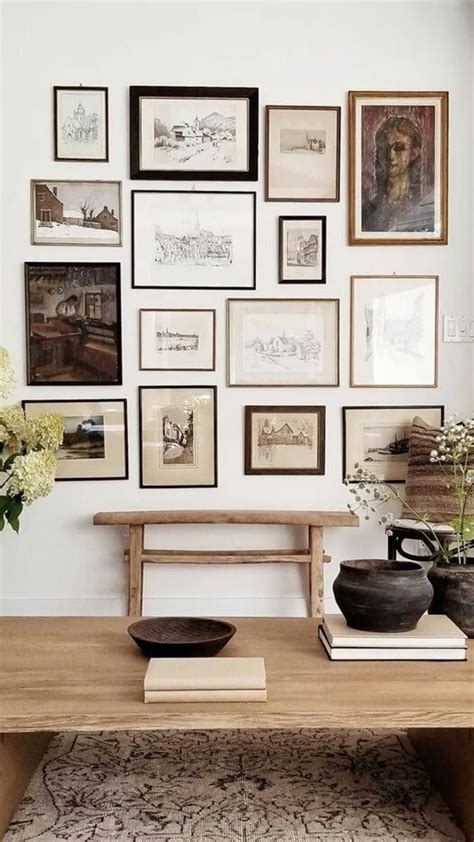
Your portfolio should have a flow, a visual narrative that guides the viewer through your artistic journey. Arrange your pieces thoughtfully. Often, a strong opening piece grabs attention, followed by a sequence that builds interest, and concluding with another powerful work that leaves a lasting impression. Think about visual pacing, color harmony, and thematic connections between pieces. This narrative creates an engaging experience rather than just a passive viewing of individual artworks.
Impeccable Presentation: Digital and Physical
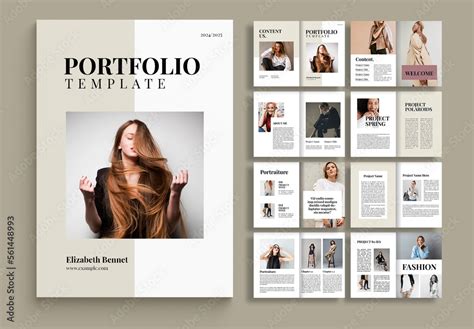
The medium through which your portfolio is viewed is as important as the art itself. For digital portfolios (websites, PDFs), high-resolution, professionally lit photographs or scans of your work are non-negotiable. Ensure consistent lighting, accurate color representation, and clean backgrounds. Optimize image file sizes for quick loading without compromising quality. Your website should be easy to navigate, mobile-responsive, and reflect your artistic brand.
For physical portfolios, invest in high-quality prints, clear protective sleeves, and a professional case. Ensure your work is immaculately clean and presented without smudges or damage. The physical presentation reinforces your attention to detail and respect for your craft.

Beyond the Artwork: Statements and Details
Don’t let your artwork speak entirely for itself. A concise, compelling artist statement (150-250 words) should accompany your portfolio, providing context for your work, your inspirations, and your artistic process. Additionally, each piece should have essential details: title, year, medium, dimensions, and sometimes a brief descriptive caption if it adds significant value. These details demonstrate your professionalism and provide crucial information for potential buyers or collaborators.

Refinement Through Feedback
Once you’ve assembled your portfolio, seek feedback from trusted peers, mentors, or art professionals. A fresh pair of eyes can spot areas for improvement, highlight strengths you might have overlooked, or point out weaknesses that detract from the overall impact. Be open to constructive criticism and use it to refine your selection and presentation. Iteration is key to perfecting your portfolio.
Conclusion
Curating an art portfolio for elegant presentation and professional impact is an ongoing process that requires self-reflection, strategic thinking, and meticulous attention to detail. By carefully selecting your strongest work, crafting a compelling narrative, ensuring impeccable presentation, and articulating your artistic vision clearly, you can create a portfolio that not only showcases your talent but also effectively communicates your professional value and helps you achieve your artistic goals. Your portfolio is your professional handshake with the art world; make it firm and memorable.