



How to translate tutorial artistry into flawless, elegant real-world application?

Online makeup tutorials are a treasure trove of inspiration, showcasing everything from dazzling avant-garde looks to subtle, everyday enhancements. However, the journey from watching a perfectly lit, edited demonstration to achieving that same flawless, elegant finish in your own bathroom mirror can feel daunting. The key lies not just in replicating steps, but in understanding principles, adapting techniques, and making them work for your unique features and lifestyle.
Understanding Your Canvas: Beyond the Screen
The first and most critical step is to truly understand your own face. Tutorial artists often have ideal lighting, professional cameras, and sometimes even filters, all of which can mask minor imperfections or alter color perception. Your skin type, undertones, face shape, eye shape, and even the natural lighting in your environment all play a crucial role in how makeup will look on you.
Before diving into a complex look, take time to observe your skin’s texture, any areas of redness or discoloration, and where light naturally hits and shadows fall on your face. This self-awareness allows you to intelligently adapt product choices and application methods, ensuring the final result is both flattering and enduring.

Deconstructing the Tutorial: Key Techniques, Not Just Products
Many beginners focus heavily on using the exact products a tutorial artist recommends. While product quality matters, the technique is often far more vital. Instead of just noting what product is used, pay close attention to how it’s applied:
- Brush Angle and Pressure: Notice the angle at which a brush hits the skin and how much pressure is applied for blending versus packing on color.
- Blending Motions: Observe the circular, sweeping, or tapping motions used to seamlessly merge products. Good blending is the secret to a professional finish.
- Layering: How are different products (e.g., concealer, foundation, powder) layered to build coverage without looking heavy?
- Product Quantity: Often, less is more. Note the tiny amounts of product used to achieve significant impact.
By breaking down these fundamental techniques, you gain transferable skills that can be applied across different products and looks.
Adaptation is Artistry: Tailoring Trends to You
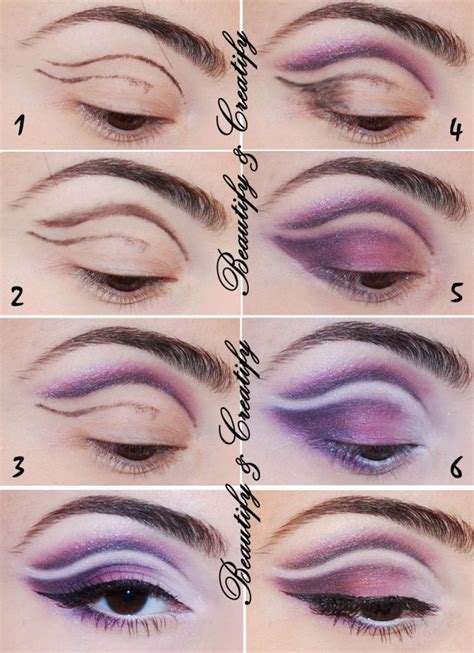
Not every dramatic cut crease or bold lip color shown in a tutorial will be suitable for a workday or a casual outing. True artistry lies in knowing how to adapt trends to fit your personal style and the occasion. This might mean:
- Scaling Down Intensity: If a tutorial features a very dark smoky eye, try using softer browns or grays for a more wearable daytime version.
- Changing Color Palettes: Swap out bright, editorial shades for more muted or complementary tones that enhance your natural features.
- Modifying Placement: A sharp winged liner might be softened to a small flick, or a full contour might be replaced with strategic bronzer placement.
Experiment with making small adjustments. For instance, if a look calls for heavy glitter, perhaps a subtle shimmer on the inner corner of the eye or a shimmery lip gloss is enough to capture the essence of the trend without overwhelming your face.

Master the Tools: Brushes, Sponges, and Fingers
While you don’t need a professional kit, having a few good quality tools can make a significant difference. Different brushes and sponges are designed for specific purposes (e.g., fluffy blending brushes for eyeshadow, dense brushes for foundation, precise brushes for liner). Using the right tool for the job makes application easier, more precise, and ultimately, more elegant.
Learn to clean your tools regularly, as product buildup can hinder smooth application and harbor bacteria. Don’t underestimate the power of your fingers for certain products like cream blushes or subtle foundation blending, as the warmth of your skin can help melt the product seamlessly.

The Practice Loop: Refine, Repeat, Reflect
Just like any skill, makeup artistry requires practice. Don’t expect perfection on your first attempt. Dedicate time to experimenting when you don’t have to rush out the door. Try a look, take a photo in different lighting, and observe what works and what doesn’t. Practice blending, drawing lines, and applying products until the motions feel natural.
A few key tips for practice:
- Work in Sections: Master one element at a time, like winged liner, before tackling a full eye look.
- Observe in Different Lighting: Makeup can look vastly different under warm indoor light versus bright daylight. Check your work in varied conditions.
- Patience is Key: Frustration is part of the learning curve. Take breaks and come back to it with fresh eyes.

Conclusion
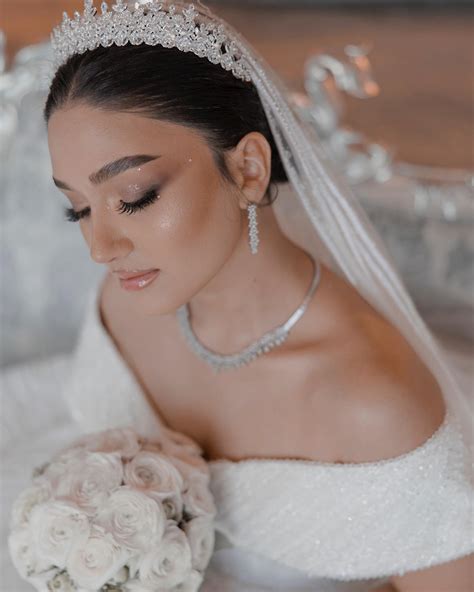
Translating tutorial artistry into flawless, elegant real-world application is a journey of self-discovery and skill-building. It moves beyond mere imitation to intelligent adaptation. By understanding your unique canvas, deconstructing techniques, personalizing trends, mastering your tools, and committing to practice, you’ll not only achieve those coveted tutorial-inspired looks but also cultivate a deep appreciation for the art of makeup tailored perfectly to you.