How to make complex artistry tutorials both clear and elegant?
Mastering the Art of Accessible Artistry
Creating tutorials for complex artistry, especially in the beauty space, presents a unique challenge: how do you break down intricate techniques into digestible, easy-to-follow steps without sacrificing sophistication and visual appeal? The goal is not just to instruct but to inspire, to make the learning journey as beautiful as the final result. This guide delves into strategies that transform daunting procedures into clear, elegant learning experiences.

The Foundation of Unwavering Clarity
Clarity is the cornerstone of any successful tutorial. When dealing with complex beauty looks, every step must be meticulously thought out and presented.
Break Down into Bite-Sized Steps
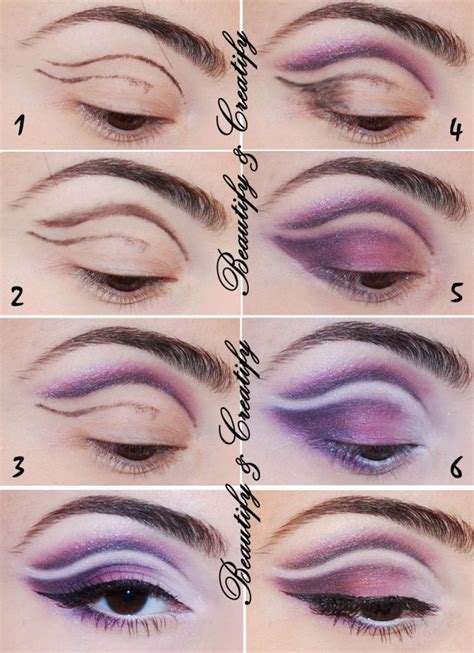
Avoid overwhelming your audience. Segment each technique into the smallest possible actions. Instead of “Apply eyeshadow,” specify “Apply a matte transition shade to the crease using a fluffy blending brush, sweeping back and forth.” Use numbered lists or distinct sections for each step.
Visual Aids are Paramount
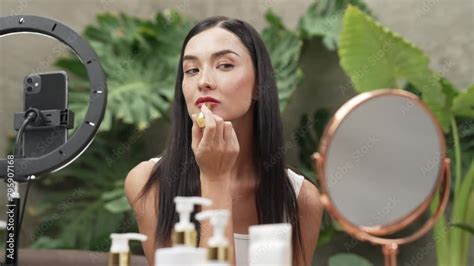
Words alone often fall short. High-quality images, short video clips, or even diagrams showing direction and placement are indispensable. Ensure visuals are well-lit, in focus, and clearly illustrate the step being described. Annotations, arrows, and highlighting can further enhance understanding.
Precise Language and Terminology
Use clear, consistent language. If you must use industry-specific jargon (e.g., “cut crease,” “tightlining”), provide a brief explanation or link to a glossary. Be explicit about product types, tools, and application methods. Ambiguity is the enemy of clarity.
Logical Flow and Pacing
A tutorial should tell a story, progressing naturally from beginning to end. Consider the learner’s perspective: what information do they need at each stage? Maintain a steady pace, allowing enough time for each step to be absorbed and practiced before moving on.
Elevating to Elegant Presentation
Beyond clarity, elegance distinguishes a good tutorial from a great one. It’s about creating an experience that is aesthetically pleasing and reflective of the artistry itself.
High-Quality Visuals & Production Value
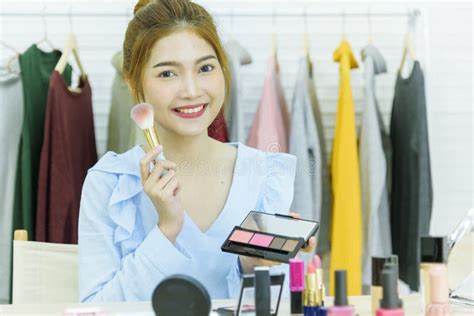
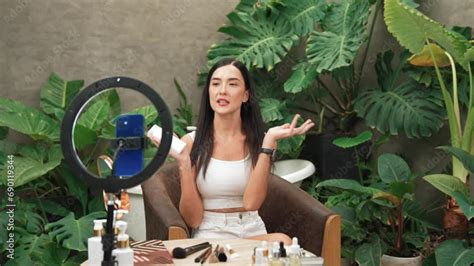
This extends beyond mere clarity. Think about composition, background, lighting, and overall aesthetic. Crisp, well-edited photos and videos shot in good lighting with a clean backdrop elevate the entire tutorial. Consistency in visual style helps build a recognizable brand.
Consistent Branding and Aesthetics
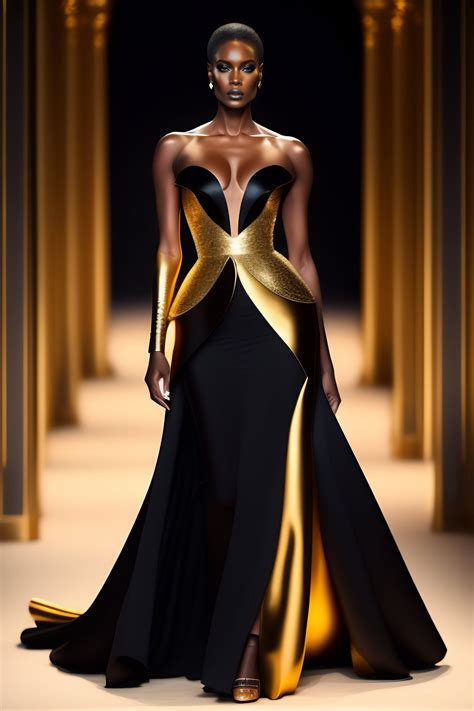
From font choices and color palettes to intro/outro music in videos, maintain a cohesive look and feel. This not only makes your tutorials more professional but also builds trust and familiarity with your audience. A sophisticated presentation reinforces the complex artistry being taught.
Engaging Narrative and Tone
While instructional, your voice can still be engaging and personable. A warm, encouraging, and confident tone makes the learning process more enjoyable. Tell them why a step is important, or offer tips for common challenges. Avoid a dry, monotonous delivery.
Thoughtful Layout and Design
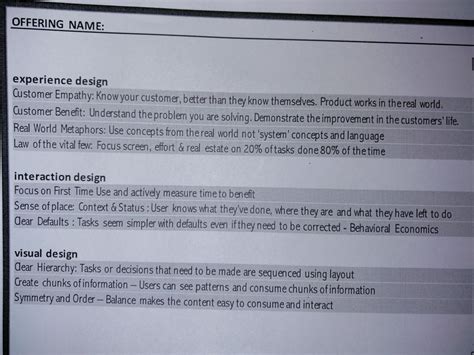
For written tutorials, utilize white space effectively. Use headings, subheadings, bullet points, and bold text to break up information and improve readability. For video, consider on-screen text, clear transitions, and easy-to-read product displays. A cluttered presentation detracts from both clarity and elegance.

Practical Tips for Seamless Implementation
Plan Meticulously
Before you even pick up a brush or camera, plan your tutorial. Create a detailed outline, storyboard your video, or write a script. Anticipate potential sticking points for your audience and address them proactively.
Utilize Various Formats
Different learners absorb information differently. Consider offering hybrid tutorials that combine written instructions with embedded video demonstrations, or provide downloadable guides alongside your main content.
Seek Constructive Feedback
Before publishing, have a few trusted individuals, especially those new to the technique, test your tutorial. Ask them specific questions: Was anything unclear? Were there any confusing moments? Did it feel elegant?

Practice and Refine
Creating clear and elegant tutorials is a skill that improves with practice. Don’t be afraid to experiment with different presentation styles, tools, and feedback loops. Each tutorial is an opportunity to learn and grow as a creator.
Conclusion
Transforming complex artistry into clear and elegant tutorials is an art form in itself. By prioritizing meticulous planning, breaking down steps, leveraging high-quality visuals, and maintaining a sophisticated aesthetic, creators can empower their audience to master challenging techniques with confidence and enjoyment. The beauty lies not just in the final look, but in the journey of learning.