
What methods make complex artistry tutorials both elegant and easily actionable for readers?
Creating a beautiful and intricate makeup look can feel like a daunting task for many, especially when trying to follow a tutorial. The challenge for beauty bloggers and content creators lies in transforming complex artistry into something elegant, understandable, and most importantly, actionable for their audience. How can we break down elaborate techniques without sacrificing the artistic flair? It all comes down to strategic presentation.
The Power of Progressive Breakdown
One of the most effective methods is to dissect a complex look into its smallest, most manageable components. Instead of presenting a whole eye makeup look as one large step, break it down into priming, base shadow, transition shade, deepen outer V, liner, and so on. Each micro-step should have a clear purpose and a single focus. This prevents information overload and allows readers to master one technique before moving to the next.
- Sequential Steps: Ensure each step logically follows the previous one.
- Focused Instructions: Each step should address only one specific action or product application.
- Why & How: Briefly explain the ‘why’ behind a step (e.g., ‘apply a transition shade to blend harsh edges’) alongside the ‘how’.

Visual Clarity: Beyond the Basic Photo
In beauty tutorials, visuals are paramount. High-quality images and video clips are non-negotiable, but their presentation can elevate a tutorial from good to exceptional. Focus on:
- Angle & Lighting: Ensure optimal angles that clearly show the product placement and technique, with consistent, good lighting.
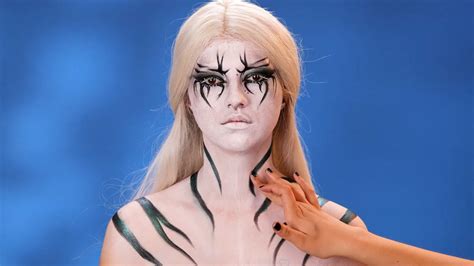
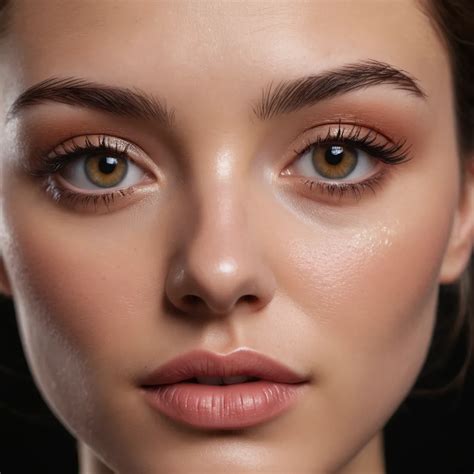
- Close-Ups: Zoom in on intricate details like brush grip, product texture, or precise application areas.
- Before & Afters: Show the progression by comparing the current stage with the previous one, or one eye done versus the other.
- GIFs & Short Videos: For dynamic actions like blending, tapping, or drawing a precise line, short looping GIFs or video snippets can be far more instructive than static images alone.
Visual aids should complement the text, not replace it, and leave no room for ambiguity about what the reader should be doing.
Language That Empowers, Not Intimidates
The language used in a tutorial plays a crucial role in its accessibility. Avoid overly technical jargon without explanation, or use analogies to simplify complex concepts. Think about your reader’s potential skill level and write accordingly.

- Simple & Direct: Use clear, concise sentences. Get straight to the point.
- Actionable Verbs: Start instructions with verbs like ‘apply,’ ‘blend,’ ‘tap,’ ‘line,’ ‘press.’
- Defined Terms: If you must use industry-specific terms (e.g., ‘cut crease,’ ‘halo eye’), briefly define or illustrate them.
- Encouraging Tone: A friendly, encouraging tone can make readers feel more confident tackling a complex look.
The Build-Up Method: From Foundation to Flourish
Instead of throwing all the advanced techniques at once, structure tutorials to build skills progressively. Start with foundational techniques that are essential for the look, then layer on more complex elements. This creates a learning curve that feels natural and achievable.
For example, a tutorial for a dramatic winged liner might first cover how to create a basic line, then how to extend the wing, and finally, how to refine the shape and connect it. Offer variations for different skill levels – a simpler version for beginners and advanced tips for more experienced artists.
Interactive Elements and Encouragement
An elegant and actionable tutorial doesn’t end with the last step. Incorporate elements that foster engagement and support, making the reader feel like they have a guide by their side.
- Troubleshooting Tips: Address common mistakes or challenges that might arise (e.g., ‘If your eyeliner smudges, try setting it with a black eyeshadow’).
- Product Alternatives: Suggest budget-friendly alternatives or different formulas for various skin types.
- Q&A Section: Anticipate common questions and provide answers, or encourage readers to ask their own.
- Call to Action: Invite readers to share their results, fostering a sense of community and achievement.
Conclusion
Transforming complex artistry into easily actionable tutorials is an art form in itself. By meticulously breaking down steps, leveraging clear visuals, employing empowering language, adopting a progressive learning structure, and integrating supportive interactive elements, beauty content creators can craft tutorials that are not only elegant and inspiring but also genuinely help their audience master even the most intricate looks with confidence and joy. The goal is to demystify beauty, making it accessible and achievable for everyone.