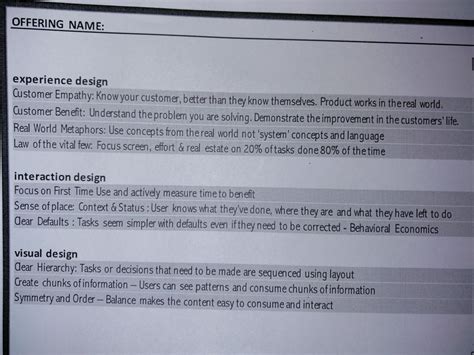





What review prompts elicit feedback on design aesthetic and premium quality?

In the competitive landscape of modern commerce, understanding how customers perceive a product’s design aesthetic and premium quality is crucial for brand success. Generic feedback like “It’s good” or “I like it” offers little actionable insight. To truly improve and innovate, businesses need specific, detailed feedback that addresses the nuances of visual appeal and material excellence. This article explores effective review prompts designed to unlock valuable insights into these critical aspects of product perception.
Why Design Aesthetic and Premium Quality Matter in Reviews
Design aesthetic goes beyond mere looks; it encompasses the user’s emotional connection, brand identity, and overall user experience. Premium quality, on the other hand, speaks to durability, craftsmanship, material selection, and the perceived value of a product. Both elements significantly influence purchasing decisions and customer loyalty. Effective review prompts help capture these subjective yet vital elements, providing a clear picture of what resonates with consumers and where improvements can be made.
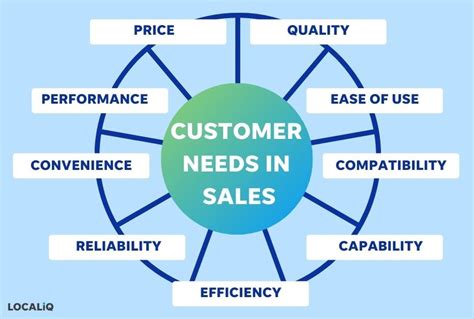
Direct Prompts for Design Aesthetic
To get specific feedback on design, focus questions on visual elements, style, and the overall impression. These prompts encourage customers to articulate their subjective experiences.
- “What aspects of the product’s design do you find most appealing (e.g., color, shape, texture, finish)?” This open-ended question guides the user to specific visual attributes.
- “How well does the product’s design fit your personal style or home decor?” This prompt gauges relevance and integration into the customer’s lifestyle.
- “Does the product look as good in person as it did online? Please elaborate.” Addresses potential discrepancies between marketing images and reality.
- “Describe the overall ‘feel’ or ‘vibe’ the design communicates to you.” Encourages emotional and qualitative descriptions.
- “Are there any design elements you would change or improve? If so, why?” Provides actionable suggestions for future iterations.

Eliciting Feedback on Premium Quality
For premium quality, prompts should delve into material feel, durability, craftsmanship, and the overall perception of value for money. These questions often touch upon sensory experiences and expectations.
- “How would you describe the quality of the materials used in this product? (e.g., solid, flimsy, luxurious, cheap)” Direct questioning about material perception.
- “Does the product feel well-built and durable? Please give examples.” Focuses on construction and expected longevity.
- “Did the craftsmanship meet or exceed your expectations?” Addresses attention to detail and finishing.
- “Based on its quality, do you feel this product offers good value for its price?” Connects quality perception with pricing.
- “Are there any specific components or features that particularly impressed you with their quality?” Highlights strengths and areas of excellence.

Combining Aesthetic and Quality Prompts
Sometimes, the best insights come from prompts that bridge both categories, recognizing that design and quality are often intertwined in the customer’s mind.
- “How does the product’s premium feel complement its visual design?” Explores the synergy between the two.
- “Does the product’s aesthetic communicate a sense of high quality to you?” Investigates if the look matches the perceived build.
- “Considering both its design and quality, what makes this product stand out from competitors?” Encourages comparative analysis.
Best Practices for Crafting Review Prompts
Beyond the specific wording, how you present these prompts can significantly impact the quality and quantity of feedback received.
- Be Specific, Not Leading: Frame questions to encourage detailed answers without guiding the customer towards a particular sentiment.
- Use Open-Ended Questions: While some yes/no or rating scales are useful, open-ended questions are vital for qualitative feedback.
- Offer Examples: As shown above, providing examples (e.g., “color, shape, texture”) can help users articulate their thoughts.
- Consider Rating Scales with Follow-Up: A 1-5 scale for ‘Design Aesthetic’ or ‘Quality of Materials’ followed by a prompt like “Please explain your rating” can be very effective.
- Keep it Concise: Long, complex questions can deter reviewers.
- Contextualize: If possible, tailor prompts to specific product features or known design elements.

Conclusion
Eliciting meaningful feedback on design aesthetic and premium quality requires thoughtful, targeted review prompts. By moving beyond generic questions and focusing on specific visual attributes, material perceptions, and craftsmanship, businesses can gather rich, actionable insights. This detailed feedback is indispensable for refining products, enhancing brand perception, and ultimately driving customer satisfaction and loyalty in a crowded marketplace.