
What workshop strategies ensure personalized technique mastery for elegant, defined looks?

The Quest for Personalized Makeup Mastery
Achieving truly elegant and defined makeup looks often requires more than just following a general tutorial. It demands a nuanced understanding of one’s own facial features, skin type, and personal style, coupled with precise technique application. For aspiring makeup artists and enthusiasts alike, the challenge lies in finding workshop strategies that move beyond generic instruction to foster genuine, personalized technique mastery. This article delves into the core components that make a makeup workshop truly effective in cultivating individual skill and confidence for sophisticated results.
Understanding Personalized Learning in Makeup Artistry
Unlike other disciplines, makeup artistry is highly personal. What works for one person’s eye shape might not suit another’s, and a technique that creates a defined look on oily skin might smudge on dry skin. Generic workshops often fall short because they cannot account for these vital individual differences. Personalized learning in makeup focuses on identifying each participant’s unique needs, strengths, and areas for improvement, then tailoring the instruction to address them directly. This approach ensures that every technique learned is not just understood, but truly mastered and applicable to their specific context.
Core Workshop Strategies for Individualized Mastery
1. Small Class Sizes and One-on-One Attention
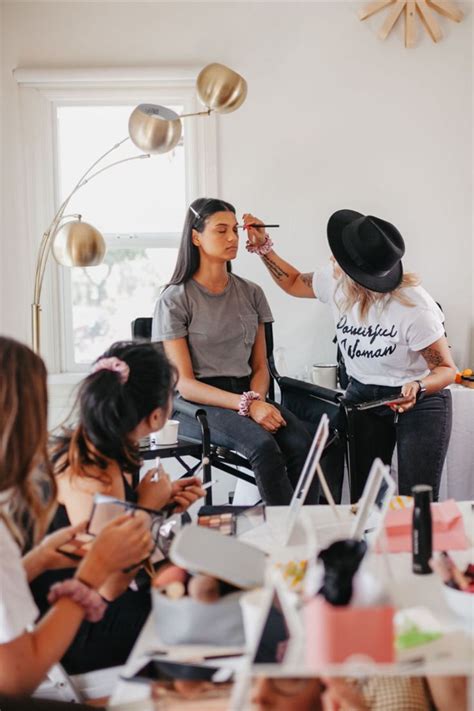
The foundation of personalized mastery is a low student-to-instructor ratio. Small classes allow instructors to dedicate significant one-on-one time to each participant. This means real-time observation of technique, immediate identification of errors, and personalized demonstrations directly on the student or a model representing their features. This direct engagement is invaluable for correcting habits before they become ingrained and for fine-tuning movements for precision.
2. Pre-Workshop Assessments and Goal Setting
Before a single brush stroke, an effective workshop will conduct a preliminary assessment. This could involve questionnaires about current skill levels, challenges, desired outcomes, and even facial analysis from submitted photos. Based on this, instructors can help participants set specific, measurable, achievable, relevant, and time-bound (SMART) goals for the workshop, ensuring the content is directly relevant to their individual aspirations for elegant, defined looks.
3. Hands-On Practice with Real-Time, Constructive Feedback
Mastery comes through doing. Workshops must allocate ample time for hands-on practice, not just passive observation. Crucially, this practice must be accompanied by continuous, constructive feedback from the instructor. This feedback should be specific, actionable, and encouraging, guiding participants to refine their grip, pressure, angle, and product application for optimal results. Video recording and playback can also be powerful tools for self-assessment and guided correction.
4. Customized Technique Breakdown and Adaptability
Instead of merely demonstrating a look, personalized workshops break down each technique into its fundamental components (e.g., the precise angle for winged liner, the pressure for blending eyeshadow, the symmetry check for brows). Instructors then guide participants on how to adapt these foundational techniques to their unique features. For elegant, defined looks, this might involve tailoring contour placement for different face shapes, adjusting eyeliner thickness for eye size, or selecting specific brow mapping points to enhance facial harmony.
5. Progressive Skill Building Modules
Technique mastery is rarely achieved in a single session. Workshops designed for true mastery often employ a modular approach, building skills progressively. Starting with foundational elements (e.g., skin prep, basic blending) and advancing to more complex applications (e.g., intricate cut creases, advanced contouring for specific effects). Each module reinforces previous learning while introducing new challenges, ensuring a solid and expanding skill set.
6. Post-Workshop Support and Community
The learning doesn’t end when the workshop concludes. Strategies like access to an online community forum, follow-up Q&A sessions, or even one-on-one virtual check-ins can significantly extend the learning journey. This ongoing support allows participants to ask questions as they practice independently, share their progress, and receive further guidance, solidifying their technique mastery over time.
The Outcome: Elegant, Defined, and Personalized Looks
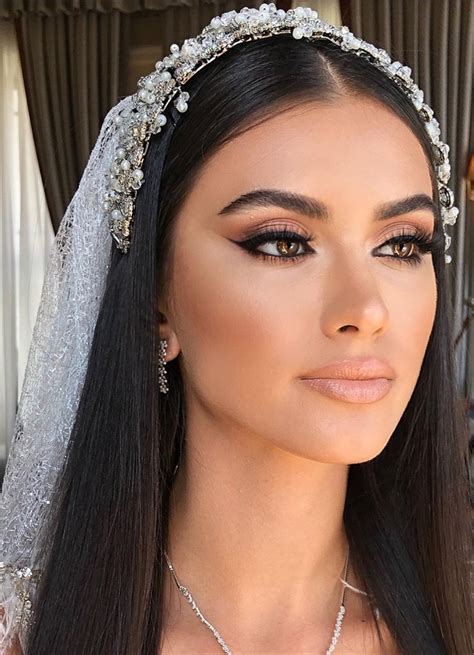
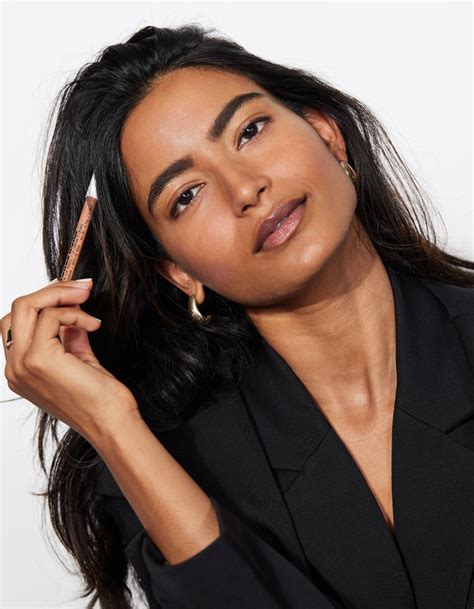
By implementing these personalized workshop strategies, participants don’t just learn a set of steps; they internalize the principles of makeup artistry. They develop a critical eye, a confident hand, and the adaptability to create elegant and defined looks that are perfectly suited to themselves or their clients. This mastery translates into consistently polished results, where every line is crisp, every blend is seamless, and every feature is enhanced with sophisticated precision.
Ultimately, the most effective makeup workshops are those that prioritize the individual journey of learning. By focusing on personalized instruction, hands-on application with expert feedback, and a supportive learning environment, these workshops empower participants to achieve not just proficiency, but true mastery in creating stunning, elegant, and defined makeup looks.