


How can I curate my Pro Artist Portfolio for maximum elegance and impact?
Defining Your Vision and Audience
A truly impactful professional artist portfolio begins not with the artworks themselves, but with a clear understanding of your artistic vision and the audience you aim to attract. Before selecting a single piece, take time to define your unique aesthetic, the themes you explore, and the specific opportunities (e.g., gallery representation, commissions, teaching roles) you seek. Knowing your “why” will guide every subsequent decision, ensuring your portfolio is a cohesive statement rather than a random collection.
Consider who you want to impress: gallerists, art directors, collectors, or collaborators. Each audience has different expectations. Tailoring your portfolio to speak directly to them will significantly increase its elegance and impact. This clarity helps filter your body of work, making the selection process more focused and effective.

The Art of Curatorial Selection: Quality Over Quantity
The most common mistake artists make is including too many pieces. For maximum elegance and impact, a curated portfolio prioritizes quality over quantity. Select only your absolute strongest, most representative works – pieces that showcase your skill, unique voice, and consistency. Aim for a concise collection, typically 10-20 pieces for a digital portfolio, which allows each artwork to breathe and speak for itself without overwhelming the viewer.
Focus on cohesiveness. While diversity can be appealing, a strong portfolio often demonstrates a clear artistic direction or a masterful exploration of a particular style, medium, or subject matter. If you work in multiple distinct styles, consider creating separate, specialized portfolios for each, rather than blending them into one confusing presentation.
Crafting a Narrative: Sequence and Flow
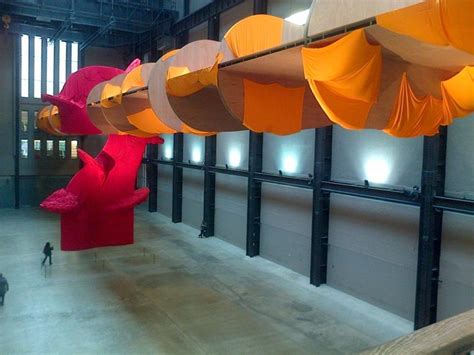
Beyond individual pieces, the order in which your artwork is presented tells a story. Think of your portfolio as a visual journey for the viewer. Begin with a strong “opener” – perhaps your most compelling or representative piece – to immediately capture attention. Follow with pieces that build upon this initial impression, creating a natural flow and progression. Varying scale, color, or subject matter can keep the viewer engaged, but always maintain a sense of internal logic.
Avoid abrupt transitions. The aim is to create a seamless experience that highlights your artistic development and range without feeling disjointed. End with another strong piece, leaving a lasting impression of your unique talent and vision.
Presentation Excellence: Digital and Physical
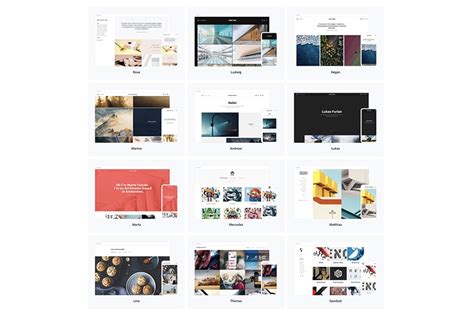
The medium through which your portfolio is presented is just as crucial as the artwork itself. For digital portfolios, invest in high-resolution, professionally lit photographs of your work. Ensure consistency in lighting and background. Use a clean, user-friendly website platform that reflects your aesthetic and allows for easy navigation. Avoid overly complex designs that distract from your art. Each image should have clear, concise accompanying information: title, medium, dimensions, and year.
For physical portfolios, meticulously prepare your original artworks or high-quality prints. Ensure matting, framing, or presentation boxes are pristine and professional. A well-designed, elegant presentation case or binder can elevate the entire experience. Regardless of format, meticulous attention to detail communicates professionalism and respect for your craft.

Continuous Refinement and Feedback
Your portfolio is a living document, not a static entity. Regularly review and update it to reflect your most recent and strongest work. As your artistic practice evolves, so too should your portfolio. Be open to constructive criticism from trusted peers, mentors, or art professionals. Fresh eyes can identify areas for improvement, highlight overlooked strengths, and ensure your portfolio communicates exactly what you intend.
Seek feedback not just on individual pieces, but on the overall flow, clarity, and impact of the entire collection. This iterative process of refinement is key to maintaining a portfolio that consistently exudes elegance and powerfully represents your evolving artistic journey.