



What curation tips ensure ‘Artistry Enhanced’ portfolios maintain visual elegance & impact across varied pieces?
The Essence of ‘Artistry Enhanced’ Portfolio Curation
For professional artists, a portfolio isn’t merely a collection of works; it’s a meticulously crafted narrative, a visual resume, and a statement of artistic intent. When dealing with a diverse body of work – perhaps spanning different mediums, styles, or thematic explorations – the challenge lies in maintaining a cohesive visual elegance and impactful presence. How do you ensure that varied pieces speak to a unified ‘Artistry Enhanced’ vision rather than appearing disparate? The answer lies in sophisticated curation.
Thoughtful curation elevates a portfolio from a simple archive to a compelling story, guiding the viewer through your artistic journey with purpose and grace. It demonstrates not just your skill in creating individual pieces, but your discerning eye and professional understanding of presentation. Here are key strategies to achieve this balance.

1. Define Your Portfolio’s Narrative & Core Message
Before selecting individual pieces, articulate the overarching story or message your portfolio aims to convey. Are you showcasing versatility, a deep dive into a specific theme, technical mastery, or a unique aesthetic voice? Even if your works vary greatly, identifying a central theme, skill, or artistic philosophy can act as a unifying anchor. This narrative provides context for each piece, allowing disparate works to contribute to a larger, more impactful statement about who you are as an artist.
Prioritize quality over quantity. An ‘Artistry Enhanced’ portfolio showcases only your strongest, most representative works. Including weaker pieces, regardless of how relevant they might seem to a theme, dilutes the overall impact and elegance.
2. Establish a Visual ‘Red Thread’ Across Varied Works
While your pieces might differ in subject or medium, seek out subtle commonalities that can serve as a ‘red thread’ to tie them together visually. This could be:
- Consistent Presentation: Use similar framing, mounting, or digital display templates.
- Color Palette Echoes: Even if not identical, look for harmonious or complementary color schemes that appear across different works.
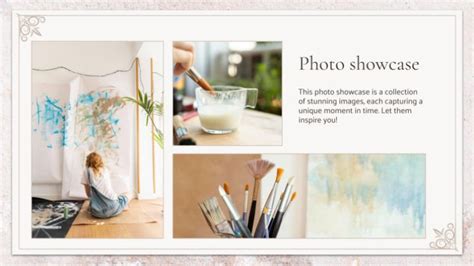
- Stylistic Undercurrents: Perhaps a consistent approach to texture, brushwork, composition, or lighting, even if the subject matter shifts.
- Thematic Resonance: Explore how different pieces, despite their visual diversity, might explore similar human experiences, natural elements, or conceptual ideas.
This ‘red thread’ doesn’t demand uniformity, but rather a sophisticated visual dialogue between your pieces, demonstrating intentionality and artistic coherence.
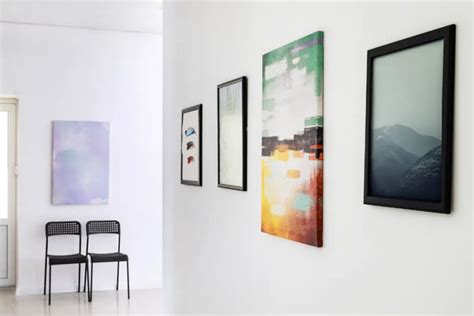
3. Strategic Sequencing for Maximum Impact
The order in which your works are presented is paramount. Think of your portfolio as a visual journey for the viewer. Begin with a powerful, attention-grabbing piece that immediately showcases your best work. Follow this with pieces that build on the initial impression, perhaps grouping similar works together to demonstrate depth in a particular area, or strategically placing contrasting pieces to highlight versatility without disrupting flow.
Ensure there’s a natural progression and rhythm. Avoid abrupt shifts in style or theme unless they serve a deliberate purpose in your narrative. Conclude with another strong piece that leaves a lasting positive impression. Test different sequences to see which tells your story most effectively.

4. Embrace Thoughtful Editing & White Space
Less is often more. A portfolio crammed with too many pieces can overwhelm and detract from individual works. Be ruthless in your editing, removing anything that doesn’t significantly enhance your overall message or doesn’t represent your absolute best. Each piece should have room to breathe, allowing the viewer to fully appreciate its nuances.
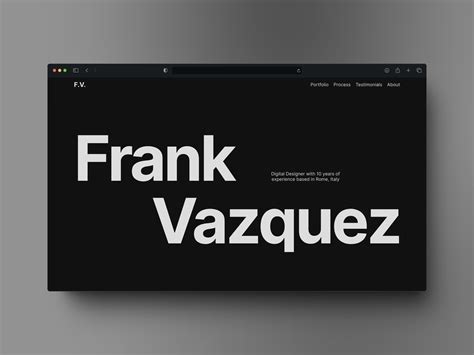
White space (or negative space in a digital layout) is crucial. It provides visual relief, creates a sense of elegance, and helps frame each artwork, making it stand out rather than blending into a cluttered array. This principle applies equally to physical portfolios and digital presentations, where a clean, uncluttered layout speaks volumes about your professionalism and aesthetic sensibility.
5. Professional Presentation: The Unseen Art
The quality of your presentation can significantly enhance or detract from the perceived value of your artwork. For physical portfolios, this means clean, consistent framing, high-quality prints, and a professional binder or display method. For digital portfolios, it encompasses:
- High-Resolution Imagery: Crisp, clear photos of your work.
- Consistent Lighting & Backgrounds: Ensure all works are photographed under consistent lighting conditions with clean, unobtrusive backgrounds.
- Accurate Color Representation: Calibrate your screen and ensure the colors in your digital images accurately reflect the original artwork.
- Uniform Metadata: Consistent formatting for titles, mediums, dimensions, and dates.
These seemingly small details collectively contribute to a polished, professional aesthetic that underscores the ‘Artistry Enhanced’ quality of your portfolio.

Conclusion: Your Portfolio as a Masterpiece Itself
Curating an ‘Artistry Enhanced’ portfolio that maintains visual elegance and impact across varied pieces is an art form in itself. It requires a discerning eye, strategic thinking, and a commitment to professional presentation. By defining your narrative, establishing visual threads, sequencing thoughtfully, embracing purposeful editing, and perfecting your presentation, you transform a simple collection of works into a powerful testament to your artistic vision and professional diligence. Your portfolio then becomes not just a showcase of your art, but a masterpiece of curation that speaks volumes about you as an artist.