



How to curate a portfolio for elegant presentation & maximum artistry impact?
Crafting Your Visual Narrative for Impact
An artist’s portfolio is more than just a collection of works; it’s a meticulously curated visual narrative that speaks volumes about your skill, vision, and professional approach. For artists aiming for elegant presentation and maximum impact, strategic curation is paramount. It’s about creating an experience that captivates, communicates your unique voice, and leaves a lasting impression on gallerists, clients, and collaborators, effectively showcasing your artistry and professionalism.

Defining Your Portfolio’s Purpose and Audience
Before selecting a single piece, clarify your portfolio’s objective. Are you seeking gallery representation, commissions, educational opportunities, or grant applications? Each goal dictates a slightly different focus. Understand your target audience: what are they looking for? What kind of work resonates with them? This clarity will guide your selection process, ensuring every piece serves a specific strategic function in your presentation and contributes to your overarching artistic statement.
The Art of Strategic Selection: Quality Over Quantity
Resist the urge to include every piece you’ve ever created. A strong portfolio prioritizes quality over quantity. Select your strongest, most resolved works that best represent your current artistic direction and technical prowess. Aim for coherence; while showing versatility can be beneficial, ensure there’s an underlying thread—be it theme, style, or medium—that ties your collection together. Ideally, 10-20 impactful pieces are often more effective than 50 mediocre ones, allowing each selected work to shine.
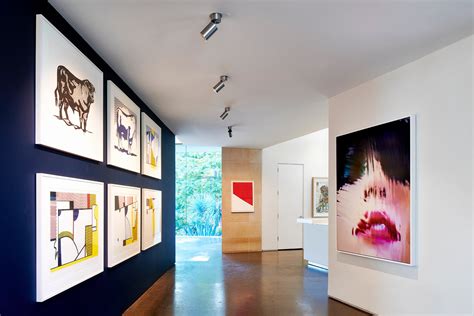
Mastering Presentation: Digital vs. Physical
Digital Portfolios: Accessibility and Reach
In today’s digital age, a professional online presence is non-negotiable. Your digital portfolio—whether on a personal website, an art platform, or social media—must be impeccably presented. Use high-resolution, professionally lit images of your artwork. Ensure consistent image sizing and color accuracy. Your website should be easy to navigate, mobile-responsive, and include concise yet informative descriptions for each piece, along with a compelling artist statement and bio to provide context and insight.

Physical Portfolios: Tactile Impact and Professionalism
For in-person meetings, a physical portfolio still holds significant weight. Invest in high-quality prints or original works, presented in a clean, professional binder or custom presentation box. Consider the layout and flow as someone flips through it, creating a curated journey. Ensure consistency in print size, framing (if applicable), and background. The tactile experience of a beautifully presented physical portfolio can leave a profound impression, underscoring your professionalism and dedication to your craft.

Narrative, Context, and Refinement
Beyond the individual pieces, your portfolio should tell a story about your artistic journey and vision. Arrange your works thoughtfully to create a compelling narrative or showcase progression in your style or themes. Provide context through well-written descriptions that offer insight into your process, inspiration, and techniques without overpowering the visual experience. Finally, seek feedback from trusted mentors, peers, or art professionals. Their fresh perspective can reveal areas for improvement, helping you refine your selection and presentation until your portfolio achieves its maximum artistic impact and elegantly represents your unique voice.