


How to refine Pro Artist Portfolio for elegant, enhanced artistry & impactful presentation?
The Imperative of a Polished Portfolio
For professional artists, a portfolio isn’t just a collection of work; it’s a powerful narrative, a curated glimpse into your artistic soul, and often, the gatekeeper to new opportunities. In a competitive creative landscape, merely having good art isn’t enough. Your portfolio must reflect not only your skill but also your professionalism, your unique voice, and your dedication to your craft. Refining it means elevating your artistry to an elegant, impactful presentation that resonates deeply with galleries, clients, and collaborators.
This guide will walk you through the essential steps to meticulously refine your professional artist portfolio, ensuring it stands out, commands attention, and eloquently speaks volumes about your enhanced artistic capabilities and potential.
Strategic Curation: Less is Often More
The first and most critical step in refining your portfolio is ruthless curation. It’s a common misconception that more work equates to a better portfolio. In reality, a streamlined selection of your absolute strongest, most cohesive pieces will always outperform a vast, inconsistent collection. Aim for quality over quantity, showcasing only the works that best represent your current artistic direction and highest level of skill.
Consider the purpose of your portfolio. Are you applying for a specific exhibition, seeking gallery representation, or attracting private commissions? Tailor your selection to that objective. Each piece should be intentional, demonstrating technical prowess, conceptual strength, and aesthetic consistency. Remove anything that doesn’t actively contribute to the narrative of your artistic excellence.

Elevating Visuals: Presentation Perfection
Even the most brilliant artwork can be undermined by poor presentation. High-quality visuals are non-negotiable for a professional artist portfolio. Invest in professional photography or high-resolution scans of your work. Ensure lighting is even, colors are accurate, and backgrounds are neutral and unobtrusive. For 3D works, provide multiple angles and context shots.
Beyond individual images, consider the overall layout and design of your portfolio. Whether digital or physical, consistency in formatting, typography, and branding is key. Choose a clean, elegant aesthetic that allows your art to take center stage without distraction. Ensure easy navigation and a seamless viewing experience.
The Power of Narrative: Articulating Your Vision
Your portfolio should tell a story – your story. This goes beyond just showing images; it involves providing context and insight into your creative process and artistic philosophy. Include a concise, compelling artist statement that articulates your vision, inspirations, and the themes you explore. For individual pieces or series, provide brief descriptions that shed light on their concepts, materials, and significance.
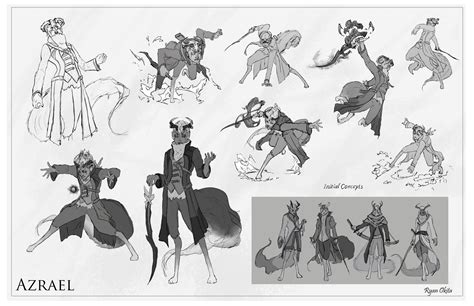
Demonstrating your process, perhaps through sketches or preparatory studies, can also add depth and showcase your dedication and problem-solving skills, especially if relevant to the audience you’re targeting. This narrative weaving transforms your portfolio from a mere collection into a coherent, engaging artistic statement.

Tailoring for Impact: Know Your Audience
A truly impactful portfolio is often a customized one. Understand who your audience is and what they are looking for. A gallery specializing in abstract expressionism will have different expectations than a client seeking a hyperrealist portrait. Research potential galleries, art consultants, or clients thoroughly to understand their aesthetic preferences, previous exhibitions, and artist rosters.
While maintaining your core identity, be prepared to subtly adapt your portfolio’s emphasis and selection to align with specific opportunities. Highlight works that are most relevant to their interests, demonstrating that you’ve done your homework and are a thoughtful, adaptable professional.
Feedback and Refinement: The Iterative Process
Portfolio refinement is not a one-time task; it’s an ongoing, iterative process. Seek constructive feedback from trusted mentors, peers, or art professionals. An outside perspective can reveal blind spots or highlight areas for improvement that you might overlook. Be open to criticism and use it as a tool for growth.
Regularly review and update your portfolio. As your artistry evolves, so too should your presentation. Stay current with emerging trends in art and portfolio design, ensuring your work remains fresh, relevant, and compelling. Treat your portfolio as a living, breathing extension of your artistic journey.

Conclusion: Your Portfolio as a Living Masterpiece
Refining your professional artist portfolio is an investment in your career and a testament to your dedication to excellence. By strategically curating your strongest works, elevating their visual presentation, crafting compelling narratives, tailoring to your audience, and embracing continuous feedback, you transform your portfolio into an elegant, enhanced, and truly impactful representation of your unique artistry. It becomes more than just a document; it becomes a living masterpiece that opens doors and propels your artistic journey forward.