

What review prompts best capture our products’ artisanal quality and elegance?

Beyond Five Stars: Eliciting Genuine Feedback on Artisanal Excellence
In a world saturated with mass-produced goods, artisanal products stand out for their unique craftsmanship, narrative, and inherent elegance. Standard star ratings and generic review questions often fall short in capturing the true essence of these items. To genuinely understand and showcase the value of your handcrafted and thoughtfully designed products, your review prompts must delve deeper, inviting customers to articulate the nuanced beauty and quality that sets your offerings apart.
The goal is to move beyond mere satisfaction and instead encourage a rich, descriptive narrative that reflects the product’s journey, the maker’s skill, and the sophisticated experience it provides. This article explores effective strategies for crafting prompts that highlight artisanal quality and undeniable elegance, transforming customer feedback into compelling testimonials.
Crafting Prompts for the Artisanal Story
The heart of an artisanal product lies in its creation—the skill, the materials, and the attention to detail. Generic questions like “Are you satisfied with your purchase?” do little to convey this. Instead, focus on prompts that invite customers to reflect on the product’s unique characteristics and the sensory experience it offers.

Inviting Sensory and Emotional Descriptions
Encourage reviewers to engage their senses and emotional responses, as these are often key to appreciating handcrafted items:
- “How did the product’s texture or finish feel in your hands? Did it evoke a particular sensation or memory?” (Focuses on touch and emotional connection)
- “What was your first impression of its visual elegance? Can you describe any details that immediately caught your eye?” (Highlights visual appeal and immediate impact)
- “Beyond its functionality, what mood or atmosphere does this item bring to your space or personal style?” (Explores emotional and aesthetic contribution)
Highlighting Craftsmanship and Detail
Directly ask about the quality of the making and the materials used. This validates the artisan’s effort and educates potential customers:
- “What specific handcrafted details showcase the product’s unique artisanal quality?” (Draws attention to skill and individuality)
- “How do the materials (e.g., natural wood, hand-stitched leather, delicate glass) contribute to its overall luxurious feel and durability?” (Emphasizes material quality and longevity)
- “Can you describe the attention to detail that sets this product apart from mass-produced alternatives?” (Encourages comparison and appreciation of uniqueness)
Prompting for Elegance and Aesthetic Appeal
Elegance is often subtle, a combination of design, form, and how a product integrates into its environment. Prompts should guide customers to articulate this sophisticated appeal.
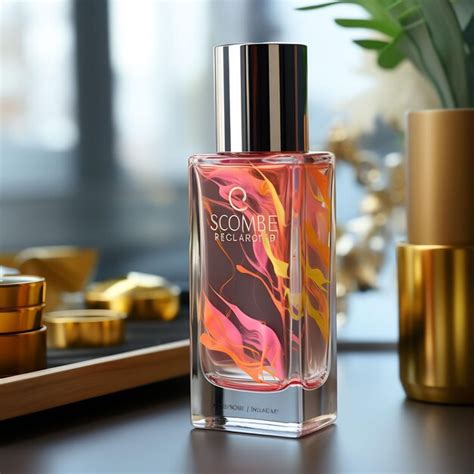
Exploring Design and Presentation
Focus on the product’s aesthetic impact and how it is perceived:
- “How does the product’s design enhance its elegance and fit within your existing decor or personal style?” (Considers integration and aesthetic harmony)
- “Was the unboxing experience reflective of the product’s sophistication and the care taken in its presentation?” (Addresses the entire customer journey, including initial impression)
- “If this product could ‘speak,’ what story of elegance or artistry would it tell?” (Encourages imaginative and emotive responses)
Long-Term Impression and Value
Elegance and quality often become more apparent over time. Ask about the lasting impact:
- “How has this product continued to add to the elegance of your space or personal style since you acquired it?” (Reflects on sustained value and aesthetic contribution)
- “What lasting impression has the artisanal quality and elegant design left on you? Would you consider it a timeless piece?” (Addresses durability, timelessness, and long-term satisfaction)
![[二]基础数据类型之Long详解_long数据类型-CSDN博客](/images/aHR0cHM6Ly90czQubW0uYmluZy5uZXQvdGg/aWQ9T0lQLlNTRkQ2cVM1VGd2ZHpvQld0MG84LXdBQUFBJnBpZD0xNS4x.webp)
Leveraging Open-Ended Questions and Guided Prompts
While specific questions are vital, providing an open-ended space for customers to share their unique insights is equally important. A balance ensures you gather targeted information while allowing for serendipitous, rich feedback.
Consider starting with more guided prompts and concluding with a broad, inviting question:
- “Is there anything else you’d like to share about the product’s artisanal quality, elegance, or the experience of owning it?”
This approach gives customers the freedom to elaborate on aspects you might not have considered, often leading to some of the most compelling and authentic testimonials.

Conclusion: The Rich Tapestry of Feedback
By thoughtfully crafting your review prompts, you can transform simple feedback into a powerful narrative that genuinely reflects the artisanal quality and elegance of your products. These detailed, sensory-rich reviews not only provide invaluable insights for your brand but also serve as authentic, persuasive content for potential customers. They create a richer tapestry of understanding, allowing the true artistry and refined nature of your offerings to shine through in every testimonial.