




How to curate a Pro Artist Portfolio to ensure visual elegance and cohesive artistry?
In the competitive world of art, a professional portfolio is far more than just a collection of your work; it’s a meticulously curated narrative that speaks volumes about your skill, vision, and professional acumen. A truly exceptional portfolio doesn’t just display art; it tells a story, presents a brand, and encapsulates a cohesive artistic identity with visual elegance. Curating such a portfolio is an art in itself, demanding thoughtful selection, strategic arrangement, and impeccable presentation.
Understanding Your Portfolio’s Core Purpose
Before you even begin selecting pieces, define the purpose of your portfolio. Are you applying for gallery representation, seeking commissions, looking for a job in a creative field, or showcasing your development? Your target audience and specific goals will heavily influence which pieces you choose to include and how you present them. A portfolio tailored to a specific ambition will always be more impactful than a generic compilation.
The Art of Selection: Quality Over Quantity
This is arguably the most critical step. Resist the urge to include every piece you’ve ever created. Instead, focus ruthlessly on your strongest, most representative work. A portfolio should showcase your absolute best, reflecting your current skill level and desired artistic direction. Remove anything that doesn’t meet your highest standards or doesn’t align with your portfolio’s purpose. Aim for consistency in quality and theme, rather than breadth.
Highlighting Your Artistic Voice
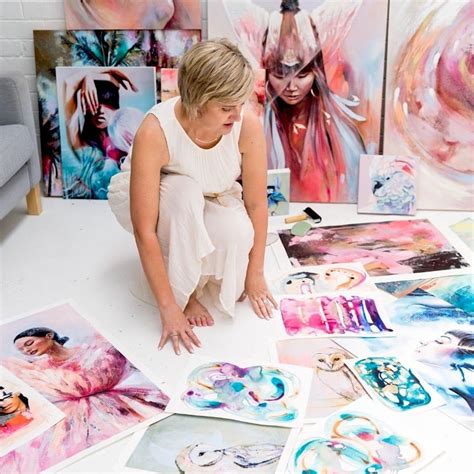
Each piece you select should contribute to a larger narrative about who you are as an artist. What unique perspective do you bring? What are your recurring themes, techniques, or subject matters? Choose pieces that collectively communicate your distinct artistic voice and vision, demonstrating depth and intention.
Crafting Visual Elegance and Flow
Once you have your selection, the arrangement is key to visual elegance. The order in which your pieces appear can dictate the viewer’s experience, guiding their eye and building a cohesive impression.
Strategic Sequencing and Grouping
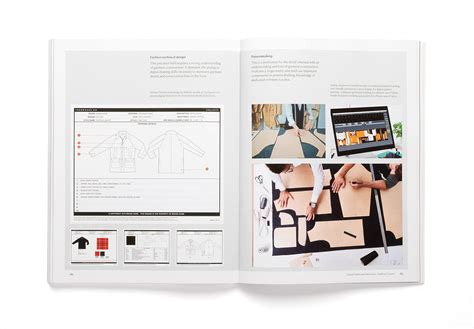
Think of your portfolio as a visual essay. Start strong, maintain interest, and end memorably. Group similar works together, or arrange them to show progression or contrast. Consider visual rhythm – allow for breathing room between pieces, and ensure that one artwork doesn’t detract from the next. A seamless flow enhances the overall professional feel.
High-Quality Photography and Presentation
No matter how stunning your original artwork, poor photography can severely diminish its impact. Invest time or resources into professional-grade photography of your work. Ensure consistent lighting, accurate color representation, sharp focus, and clean backgrounds. For 3D works, provide multiple angles. For digital works, present them in appropriate contexts or mock-ups.

Ensuring Cohesive Artistry and Personal Brand
Cohesion isn’t just about the selection; it’s about presenting a unified artistic identity that resonates with your personal brand.
Defining Your Artistic Signature
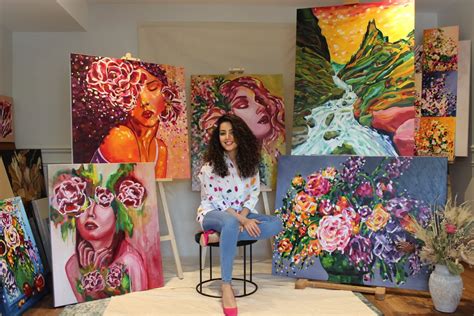
Your portfolio should clearly articulate your artistic signature. This includes consistency in your chosen mediums, recurring motifs, philosophical underpinnings, or stylistic elements. Even if you work across different series, there should be an underlying thread that makes all the work recognizably yours.
The Power of an Artist Statement and Bio
A concise, compelling artist statement provides context and insight into your work. It explains your motivations, processes, and the ideas behind your art, bridging the gap between the viewer and your creations. Pair this with a professional artist biography that highlights your key achievements, education, and artistic journey. These textual elements are crucial for reinforcing your cohesive brand.
Digital vs. Physical Portfolios: A Dual Approach
In today’s world, artists often need both a robust online presence and a polished physical portfolio.
Optimizing Your Online Presence
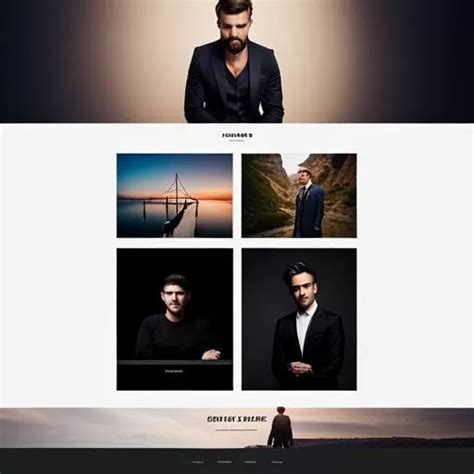
Your website is often the first point of contact. Ensure it’s professional, easy to navigate, mobile-responsive, and visually appealing. Use high-resolution images, clear categories, and consistent branding. Include an ‘About’ page, contact information, and links to relevant social media. Consider a blog to share your process or insights, further solidifying your unique voice.
Preparing for Physical Reviews
For in-person meetings, a physical portfolio needs to be impeccable. Use a high-quality portfolio case or binder. Ensure prints are consistent in size and color, mounted professionally, and protected from damage. If displaying original work, ensure it’s framed or presented cleanly and safely. The physical presentation should mirror the elegance and cohesion of your digital presence.
Regular Review and Refinement
Your portfolio is a living document. As you grow and evolve as an artist, so too should your portfolio. Regularly review your work, removing older pieces that no longer represent your best, and adding new, stronger creations. Seek feedback from trusted mentors, peers, or industry professionals. Constructive criticism can offer fresh perspectives and help you refine your presentation to an even higher standard.

Conclusion
Curating a pro artist portfolio that embodies visual elegance and cohesive artistry is an ongoing process that demands self-awareness, strategic thinking, and meticulous attention to detail. By carefully selecting your strongest work, presenting it flawlessly, and articulating a clear artistic identity, you create a powerful tool that not only showcases your talent but also effectively communicates your unique value to the world. Your portfolio is your professional calling card; make it unforgettable.