




How to translate your unique vision into a flawlessly executed bridal design?

Every bride envisions a wedding dress that embodies her unique personality, style, and dream for her special day. For a bridal designer, the ultimate challenge and reward lies in taking that often abstract, deeply personal vision and meticulously translating it into a tangible, flawlessly executed garment. This journey requires not just technical skill, but profound empathy, keen communication, and an unwavering commitment to perfection.
Decoding the Bride’s Dream: The Art of Initial Consultation
The first step in translating a vision is truly understanding it. An initial consultation is far more than just taking measurements; it’s an immersive dive into the bride’s world. Active listening, asking insightful questions about her wedding theme, venue, personal style, comfort preferences, and even her daily wardrobe, are crucial. Understanding her aspirations, her anxieties, and her non-negotiables lays the groundwork for a successful design.
Encourage the bride to share visual inspirations—mood boards, Pinterest pins, magazine clippings, or even photos of dresses she dislikes. These visual cues, combined with her verbal descriptions, help paint a clearer picture of her aesthetic. It’s about merging her emotional connection to her dream with your professional interpretation.
From Concept to Canvas: Sketching and Design Development
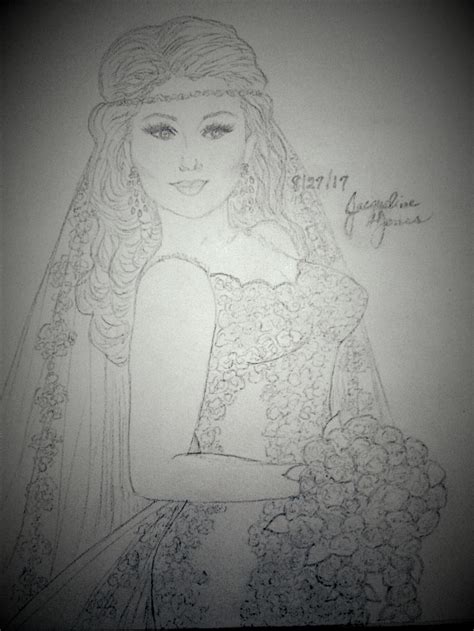
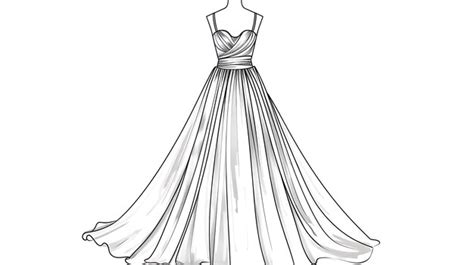
Once the vision is understood, the next phase is to bring it to life on paper. Initial sketches are vital for externalizing ideas and allowing the bride to see her concepts taking shape. These aren’t just technical drawings; they are artistic interpretations that capture the essence and flow of the gown. Present various silhouettes, neckline options, sleeve styles, and train lengths based on her input, allowing for a collaborative refinement process.
This stage involves narrowing down choices, refining details, and ensuring that the proposed design not only aligns with her vision but also flatters her figure and suits the practicalities of her wedding day. It’s a iterative process of sketching, feedback, and refinement until a final design concept is approved.
The Soul of the Gown: Fabric and Embellishment Selection
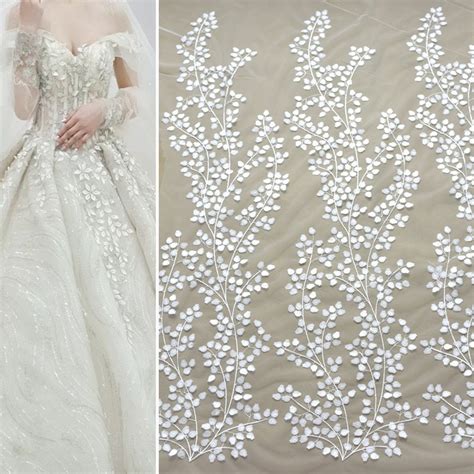
The chosen fabrics and embellishments are the heart and soul of any bridal design. They dictate the drape, feel, and overall aesthetic of the gown. Guiding the bride through various options—from luxurious silks and satins to delicate laces, tulles, and crepes—is essential. Explain how different materials will affect the gown’s movement, texture, and light reflection.
Similarly, the selection of embellishments—beading, embroidery, appliqué, or crystal work—must enhance the design without overpowering it. Each choice should contribute to the overall vision, reflecting the bride’s desired level of glamour, romance, or sophistication. Swatches and samples are indispensable tools at this stage.
Bringing the Vision to Life: Pattern Making and Toile Creation
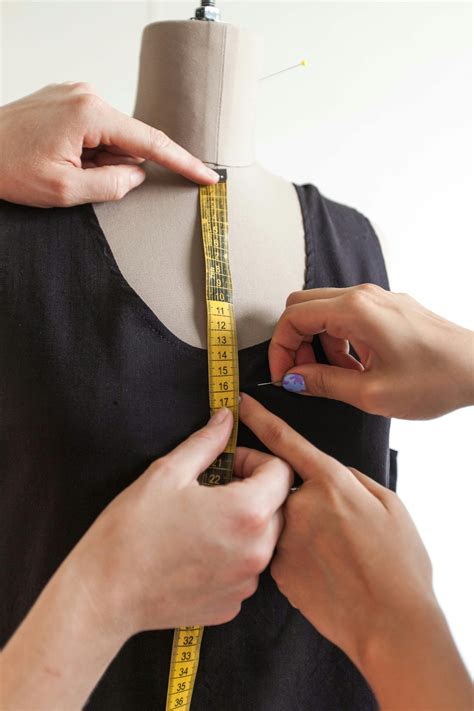
With the design finalized and materials chosen, the technical work begins. Precision pattern making transforms the 2D sketch into a 3D blueprint. This intricate process involves drafting patterns that account for every curve, seam, and structural element of the gown, tailored specifically to the bride’s unique measurements.
The creation of a ‘toile’ (a mock-up made from inexpensive fabric like muslin) is a critical step. This allows for an initial fitting where the silhouette, proportions, and fit can be accurately assessed and adjusted without touching the precious final fabrics. This stage ensures that the gown’s structure is perfect before the actual construction begins.
The Craft of Perfection: Construction and Detailing
This is where true craftsmanship shines. The actual construction of the bridal gown demands meticulous attention to detail, precision sewing, and often, couture techniques. Every seam, dart, and panel must be flawlessly executed. Interfacing, boning, and lining are integrated to provide structure, comfort, and a luxurious feel.
Embellishments are applied with the utmost care, often by hand, ensuring their placement enhances the design and creates the desired sparkle or texture. This phase is a testament to the designer’s skill, patience, and dedication to creating a garment of unparalleled quality.
The Grand Reveal: Final Fittings and Delivery
Multiple fittings are scheduled throughout the construction process to ensure the gown evolves perfectly with the bride’s figure and vision. The final fitting is particularly special, as it’s the moment the bride sees her dream dress come to life in its finished glory. Any last-minute adjustments are made, ensuring a perfect fit and comfortable wear for her big day.
Proper pressing, steaming, and careful packaging for delivery complete the process. Providing clear instructions for care and transport ensures the gown remains pristine until the wedding day.
Translating a unique vision into a flawlessly executed bridal design is a journey of collaboration, creativity, and precision. It’s about honoring a bride’s dream with every stitch, ensuring that when she walks down the aisle, she feels not just beautiful, but truly herself, in a dress that is a perfect reflection of her unique love story.