

What review prompts best capture true product artistry and elegance?
In a world saturated with products, some transcend mere utility to become objects of desire, imbued with a distinct artistry and undeniable elegance. Reviewing such items demands a lexicon beyond standard functionality checklists. To truly capture their essence, reviewers need prompts that delve deeper into design philosophy, sensory experience, and emotional impact. This article explores the most effective questions to unearth and articulate the genuine artistry and elegance present in exceptional products.
Beyond Function: Defining Product Artistry and Elegance
Product artistry isn’t just about aesthetics; it’s the thoughtful integration of design, material, and craftsmanship to evoke a specific feeling or tell a story. Elegance, on the other hand, often refers to a refined simplicity, a graceful execution, and an effortless sophistication that makes a product stand out without being ostentatious. Together, they form an almost intangible quality that elevates an item from good to extraordinary. Standard prompts often miss these nuances, focusing instead on performance metrics or basic features.

Visual Cues: Prompts for Design and Aesthetics
The first impression of an elegant product is almost always visual. Review prompts should encourage detailed observation:
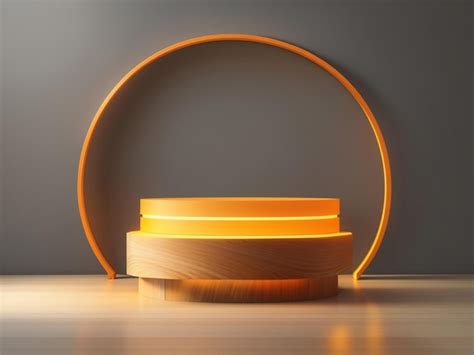
- “Describe the product’s overall aesthetic. Does it convey a particular style (e.g., minimalist, opulent, classic, futuristic)?” This moves beyond “looks good” to specific design language.
- “What materials are used, and how do they contribute to its visual appeal? Consider their texture, sheen, and color palette.” Materials are fundamental to perceived quality and elegance.
- “Examine the lines, curves, and proportions. Do they exhibit balance, harmony, or intentional tension? How do they guide your eye?” This prompts a deeper analysis of the design’s underlying structure.
- “Are there any unique design elements or embellishments? How do they integrate with the overall design, adding character without distraction?” Focuses on distinctive details.
The Sensory Journey: Tactile and Auditory Prompts
True elegance engages more than just sight. The way a product feels, its weight, and even the sounds it makes (or doesn’t make) contribute significantly to its perceived quality and artistry.
- “How does the product feel in your hands? Describe its weight, balance, and the sensation of its surface (smooth, textured, warm, cool).” Tactility is crucial for luxury items.
- “Pay attention to the interaction points – buttons, switches, clasps, lids. How do they operate? Do they feel precise, satisfyingly solid, or delightfully subtle?” The “feel” of interaction is a key indicator of craftsmanship.
- “Are there any auditory elements? For example, the click of a button, the glide of a drawer, or the quiet hum of operation. Do these sounds enhance or detract from the experience?” Sound design is often overlooked but important.

Emotional Resonance: Prompts for Deeper Connection
Artistry often aims to evoke emotion or inspire contemplation. Elegance, too, has an emotional impact, often through a sense of refinement, timelessness, or sophisticated pleasure.
- “How does the product make you feel when you interact with it? Does it inspire joy, calm, admiration, or a sense of luxury?” This directly addresses the emotional response.
- “Does the product tell a story through its design, heritage, or construction? What narrative emerges from its presence?” Connects the product to a broader context or history.
- “Does using this product elevate an everyday experience? How does it integrate into your lifestyle, and does it bring a sense of ceremony or specialness?” Explores the product’s role in enriching daily life.
The Understated Brilliance: Craftsmanship and Durability
Beneath the surface of immediate appeal lies the foundation of true artistry: impeccable craftsmanship and enduring quality. These aspects speak volumes about a product’s elegance and the care taken in its creation.
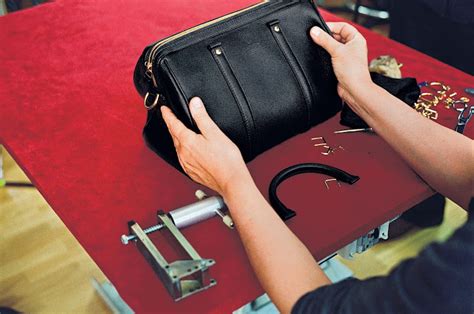
- “Examine the finishing details: seams, joins, edges, and polished surfaces. Do they reveal meticulous attention to detail and flawless execution?” Highlights the precision of the making.
- “What level of durability or longevity do you anticipate from this product, given its construction and materials? Does it feel built to last?” Elegance often implies lasting value, not fleeting trends.
- “Does the product exhibit any evidence of traditional craftsmanship, hand-finishing, or innovative manufacturing techniques?” Acknowledges the skill and method behind the product.
Conclusion: Crafting Reviews That Truly Appreciate
By employing a thoughtful set of review prompts that extend beyond mere specifications, we can begin to articulate the profound qualities of product artistry and elegance. These questions encourage reviewers to engage with an item on multiple sensory and emotional levels, ultimately yielding reviews that are richer, more insightful, and genuinely appreciative of the design, craftsmanship, and soul embedded within exceptional products. Such reviews not only guide consumers but also celebrate the creators who elevate the ordinary into the extraordinary.