Best methods to simplify complex artistry for elegant, actionable tutorials?

Making Intricate Beauty Accessible: The Art of Simplification
Complex artistry, from intricate eye makeup to advanced contouring, often intimidates aspiring beauty enthusiasts. The key to creating truly elegant and actionable tutorials lies not in dumbing down the art, but in expertly simplifying its presentation. By breaking down daunting techniques into digestible, confidence-building steps, you can transform complex artistry into an accessible journey for anyone.
Deconstruct into Micro-Steps
The most powerful simplification method is granular deconstruction. Instead of presenting a ‘smoky eye’ as one big task, break it down:
- Step 1: Apply primer evenly.
- Step 2: Lay down a transition shade in the crease.
- Step 3: Deepen the outer V with a darker shadow.
- Step 4: Blend edges seamlessly.
- Step 5: Apply shimmery lid shade.
Each micro-step should be so simple that it feels almost impossible to fail. This eliminates overwhelm and allows learners to focus on mastering one tiny action at a time before moving to the next.
Master the Fundamentals First
Often, a ‘complex’ look is just several fundamental techniques layered together. Teach the foundational skills in isolation before combining them. For instance, ensure learners can blend a single eyeshadow perfectly before introducing a multi-shade gradient. Showcase how to hold a brush, control pressure, and identify product consistency. Building this strong foundation makes more advanced applications feel like logical progressions, not giant leaps.
Leverage Clear Visuals and Concise Language
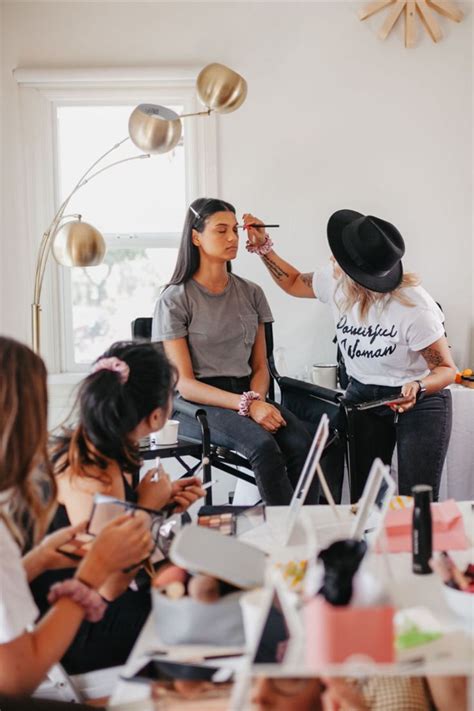
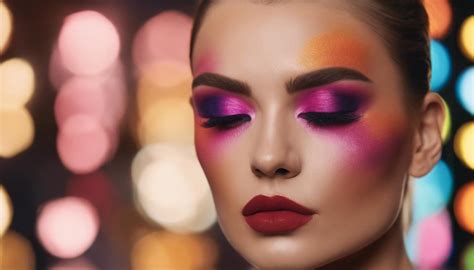
In beauty tutorials, visuals speak volumes. High-quality, well-lit photos and videos that clearly show each movement and product application are paramount. Complement these with precise, jargon-free language. Avoid overly technical terms where simpler synonyms exist, or explain them thoroughly. Use analogies if helpful. For example, describing blending as ‘buffing out harsh lines like erasing pencil marks’ can be more effective than just saying ‘blend well’.
Offer Progressive Skill Building
Consider offering a ‘beginner,’ ‘intermediate,’ and ‘advanced’ version of a look. Start with the most stripped-down, essential elements for the beginner version. The intermediate might add one or two more steps or products, and the advanced would incorporate all the intricate details. This allows individuals to choose their challenge level and provides a clear path for skill progression, preventing frustration and encouraging continued learning.

The Power of Practice and Troubleshooting
Encourage practice! Remind learners that perfection isn’t achieved on the first try. Include a section on common mistakes for each step and provide practical, easy-to-implement solutions. For example, if blending is patchy, suggest using a lighter hand or a different brush. This proactive troubleshooting helps learners self-correct and reduces the need for constant re-dos, boosting their confidence.

Conclusion
Simplifying complex artistry for beauty tutorials is about empathy and pedagogy. It’s about understanding the learner’s perspective and systematically removing barriers to entry. By deconstructing looks into micro-steps, focusing on fundamentals, utilizing clear visuals, offering progressive challenges, and providing troubleshooting tips, you can create tutorials that are not just beautiful, but genuinely empowering and actionable for everyone.