


How do pro artists curate & present work for Artistry Enhanced portfolios?

The Strategic Imperative of a Polished Portfolio
For professional artists, a portfolio is far more than a collection of images; it’s a meticulously crafted narrative, a compelling argument for their artistic vision and skill. In today’s competitive landscape, an “Artistry Enhanced” portfolio stands out by not only showcasing exceptional talent but also demonstrating a profound understanding of presentation and audience engagement. This guide delves into the refined strategies employed by pros to curate and present their work, transforming a mere display into a powerful statement.
Mastering the Art of Selection and Cohesion
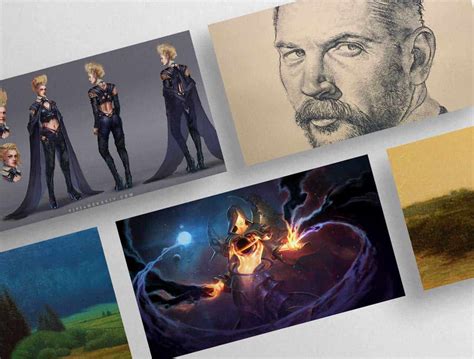
The first critical step in building an Artistry Enhanced portfolio is ruthless selectivity. Professional artists understand that less is often more. Instead of presenting every piece they’ve ever created, they focus on a tightly edited collection of their strongest, most cohesive works that align with their current artistic direction and professional goals. This curation isn’t just about individual excellence; it’s about how pieces speak to each other, forming a narrative or demonstrating a particular skill set or thematic exploration.
- Quality Over Quantity: Only include your absolute best work that truly represents your current artistic voice.
- Thematic Consistency: Group works that share a common theme, style, or technique to demonstrate depth and focus.
- Audience Awareness: Consider who your target audience is (galleries, collectors, clients) and select pieces that will resonate with them.
Technical Excellence: Beyond the Artwork Itself
Even the most breathtaking artwork can be undermined by poor presentation. Pro artists invest heavily in the technical quality of their portfolio presentation. This means high-resolution, perfectly lit, and color-accurate photographs of their physical work, or impeccably rendered digital files for digital art. Every image must be free of glare, shadows, and distractions, ensuring the artwork itself is the sole focus. Consistency in image sizing and file formats across the portfolio also projects professionalism.
For 3D work, multiple angles and detail shots are crucial. For time-based media, concise, high-quality video clips or stills with clear descriptions are essential. The goal is to make the remote viewing experience as close to an in-person viewing as possible.

Crafting a Compelling Narrative and Flow
An Artistry Enhanced portfolio tells a story. Professional artists don’t just dump images onto a page; they carefully consider the sequence and flow. The order of presentation can guide the viewer through a journey, highlight a progression of skill, or build anticipation. Often, they start with a strong “hook” piece, follow with supporting works that elaborate on their themes or techniques, and end with another memorable piece.
Beyond the visual flow, artists incorporate concise, impactful descriptive text. This includes clear titles, mediums, dimensions, and creation dates. An artist statement, when included, is sharp, articulate, and offers insight into their philosophy without over-explaining the work. Each element supports the overall narrative, creating a coherent and engaging experience.

Platform Choice and Professional Polish
The choice of platform for presenting the portfolio is equally strategic. Whether it’s a dedicated artist website, a professional portfolio platform (like ArtStation for digital artists, or a custom-built site for fine art), or a well-designed PDF, the platform must be clean, intuitive, and mobile-responsive. Navigation should be seamless, allowing viewers to easily explore the work without distraction.
Professional branding elements, such as a consistent logo, color palette, and typeface, contribute to an overall polished impression. Contact information should be readily accessible and clearly displayed, making it easy for interested parties to reach out. Every detail, from load times to favicon design, contributes to the perceived professionalism and artistic mastery.

Tailoring for Opportunity and Impact
While a core portfolio serves as a foundation, true professionals often tailor their presentation for specific opportunities. Applying for a gallery exhibition focused on abstract art? Curate a subset of your portfolio that exclusively features your strongest abstract pieces. Submitting to a commercial client for illustration work? Highlight pieces that demonstrate versatility and storytelling relevant to their brand.
This customization demonstrates an understanding of the opportunity and a proactive approach to meeting specific needs. It signals to curators, gallerists, or clients that the artist is not only talented but also strategic and professional in their approach.

Conclusion: The Portfolio as an Evolving Masterpiece
An Artistry Enhanced portfolio is never truly “finished”; it’s a dynamic, evolving representation of an artist’s journey and current capabilities. Professional artists continuously review, refine, and update their portfolios, ensuring it always reflects their most compelling and relevant work. By mastering the art of curation, prioritizing technical excellence, crafting compelling narratives, and presenting with impeccable polish, artists transform their portfolios into powerful tools that open doors and elevate their careers.