


What visual presentation standards define an elegant Pro Artist Portfolio that enhances artistry for clients?

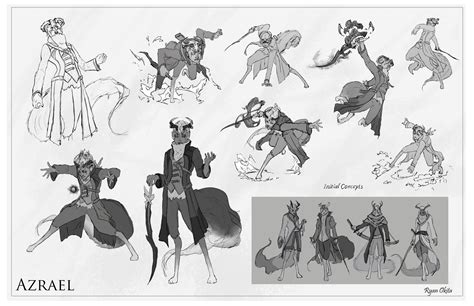
For professional artists, a portfolio is far more than a collection of work; it’s a meticulously crafted visual narrative that speaks volumes about their skill, professionalism, and unique aesthetic. An elegant portfolio doesn’t just display art; it enhances it, drawing clients in and building immediate trust and desire. Achieving this elegance hinges on adhering to several key visual presentation standards that collectively elevate the perceived artistry.
The Foundation: Cohesion and Branding
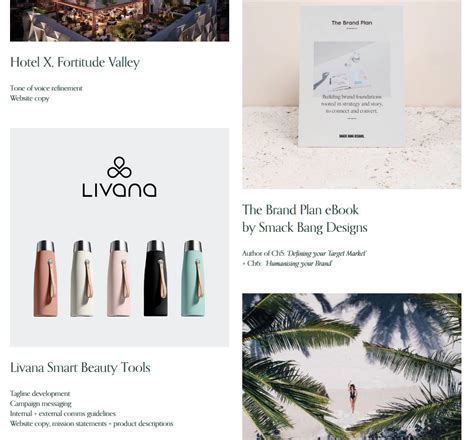
An elegant portfolio begins with a unified visual identity. This means consistent branding across all elements – from the portfolio’s color palette and typography to the overall aesthetic of how pieces are framed and presented. A strong, cohesive brand identity communicates professionalism and ensures that the artist’s unique voice is felt throughout, making the portfolio memorable and distinctive. Every page, every transition, and every detail should reinforce the artist’s brand, creating a seamless and sophisticated experience.
Consistency extends to the mood and tone conveyed. Whether it’s vibrant and energetic or subdued and contemplative, the visual presentation should align with the artist’s style and the type of clients they aim to attract. This thoughtful cohesion prevents a disparate collection of works from feeling disjointed, instead weaving them into a compelling story.
Showcase Perfection: High-Quality Imagery
Perhaps the most critical standard is the quality of the artwork photography. Blurry, poorly lit, or low-resolution images can instantly diminish even the most magnificent piece of art. An elegant portfolio demands professional-grade photography that accurately represents the artwork’s colors, textures, and details. This often means investing in good lighting, a high-resolution camera, and potentially professional photographic services.
Each image should be meticulously edited, not to alter the artwork, but to present it in its best possible light, free from distracting backgrounds, glares, or inconsistencies. Crisp, clean, and vibrant images are non-negotiable for an elegant presentation, as they directly impact how clients perceive the artist’s attention to detail and commitment to excellence.
Strategic Curation: Quality Over Quantity
Elegance often lies in restraint. A professional artist’s portfolio should be a carefully curated selection of their absolute best and most relevant work, not an exhaustive archive. Overwhelming clients with too many pieces, especially those that don’t represent the artist’s pinnacle, can dilute the impact of truly exceptional work. The goal is to showcase versatility and mastery without sacrificing focus.
Each piece included should serve a purpose, demonstrating specific skills, styles, or successful projects. Think of it as a highlight reel designed to impress and engage quickly, leaving clients wanting to see more or eager to discuss a commission. This strategic curation reflects confidence and an understanding of what truly captivates potential clients.
Seamless Experience: Layout, Navigation, and Typography
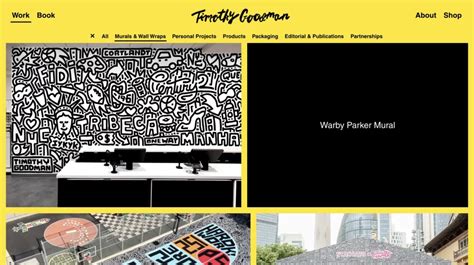
The overall user experience of the portfolio is paramount. An elegant portfolio features a clean, intuitive layout that prioritizes readability and ease of navigation. Ample whitespace is essential, allowing individual artworks to breathe and preventing visual clutter. The arrangement of pieces should flow logically, perhaps chronologically, thematically, or by project type, guiding the viewer through the artist’s journey.
Typography also plays a subtle yet significant role. Elegant portfolios employ legible, sophisticated fonts that complement the artwork without competing with it. A judicious use of font weights and sizes can create visual hierarchy, making descriptions and headings easy to digest. Simple, consistent navigation ensures clients can effortlessly explore the portfolio, find contact information, and understand the artist’s background.
Beyond the Visual: Storytelling and Context
While primarily visual, an elegant portfolio enhances artistry by providing context. Brief, compelling descriptions for each piece can offer insight into the inspiration, process, or techniques used, deepening the client’s appreciation. Artist statements, project briefs, or even client testimonials can add layers of professionalism and personality, helping clients connect with the artist on a more profound level.
This storytelling component transforms a mere display of work into an engaging narrative about the artist’s vision and capabilities. It allows clients to understand not just what the artist creates, but why and how, fostering a stronger emotional and intellectual connection.
The Client Advantage: Building Trust and Desire
Ultimately, adhering to these visual presentation standards creates an elegant pro artist portfolio that powerfully enhances artistry for clients by building trust and sparking desire. An elegantly presented portfolio conveys an artist’s professionalism, attention to detail, and respect for their craft, instilling confidence in potential collaborators. It suggests that if an artist cares this much about their presentation, they will undoubtedly pour the same dedication into their commissioned work.
Clients are not just buying art; they are investing in an artist’s vision and skill. An elegant portfolio doesn’t just showcase what an artist can do; it demonstrates their understanding of quality, design, and client experience, making them an irresistible choice for high-caliber projects.

In conclusion, an elegant pro artist portfolio is a carefully orchestrated symphony of visual elements. By focusing on cohesion, high-quality imagery, strategic curation, seamless design, and compelling storytelling, artists can craft a presentation that not only showcases their talent but significantly enhances its perceived value and allure for prospective clients, setting them apart in a competitive creative landscape.