


How do workshops ensure mastery of advanced techniques for truly enhanced, defined artistry?

Beyond Basic Brushstrokes: The Workshop Advantage
In the dynamic world of makeup artistry, the journey from foundational skills to true mastery demands more than just practice; it requires targeted education and immersive experiences. While countless online tutorials and basic courses exist, achieving a truly enhanced, defined artistry often hinges on the unique environment and methodology offered by specialized workshops. These focused programs are meticulously designed to bridge the gap between theoretical knowledge and the nuanced application of advanced techniques, ensuring artists not only learn but profoundly understand and master complex skills.

Personalized Guidance and Expert Mentorship
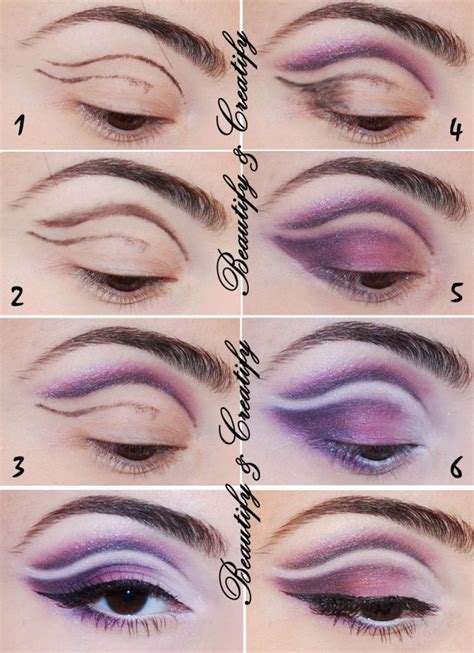
One of the paramount ways workshops ensure mastery is through personalized, direct instruction from industry veterans. Unlike large lectures or self-guided learning, workshops typically boast smaller class sizes, allowing instructors to provide one-on-one feedback, identify individual weaknesses, and tailor their guidance to each student’s specific needs. This direct mentorship is invaluable when learning intricate techniques like detailed contouring, complex color theory application, avant-garde designs, or specialized bridal makeup. Experts can demonstrate nuances, correct posture, and explain the ‘why’ behind every stroke, transforming understanding into muscle memory.
Curriculum Designed for Depth, Not Just Breadth
Advanced workshops differentiate themselves through their deep-dive curricula. Instead of skimming multiple topics, they focus intensely on specific areas, breaking down complex techniques into manageable, repeatable steps. Whether it’s mastering airbrushing, theatrical prosthetics, editorial looks, or advanced corrective makeup, the curriculum is structured to build proficiency layer by layer. This often includes practical demonstrations, guided practice sessions, and critical analysis of work, fostering a comprehensive understanding that goes beyond surface-level imitation.

Hands-On Practice in a Controlled Environment
Mastery is forged through repetition and practical application. Workshops provide dedicated time and resources for hands-on practice, often on live models or high-quality mannequins, under the watchful eye of instructors. This controlled, supportive environment allows students to experiment, make mistakes without fear, and receive immediate corrective feedback. Practicing advanced techniques like intricate cut creases, detailed special effects, or elaborate face painting repeatedly ensures that the techniques become second nature, developing precision and speed essential for professional work.
Peer Learning and Constructive Critiques
Beyond instructor feedback, the collaborative nature of workshops fosters a rich environment for peer learning. Students observe each other’s work, share insights, and engage in constructive critiques. This exposure to diverse perspectives and approaches broadens an artist’s understanding and problem-solving skills. Furthermore, presenting one’s work and receiving feedback from peers and instructors sharpens critical self-assessment abilities, which are vital for continuous improvement in artistry.

Portfolio Enhancement and Real-World Application
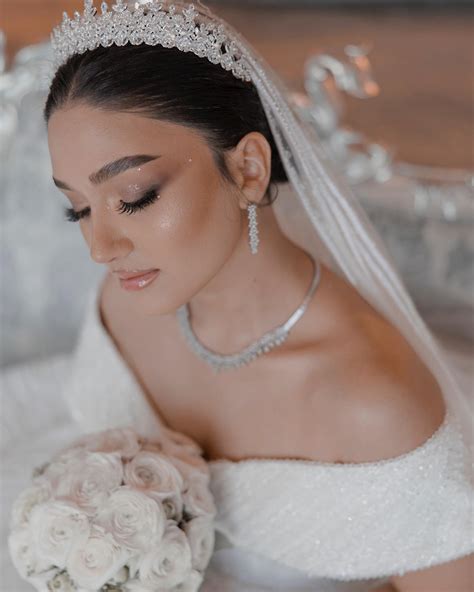
Many advanced workshops culminate in portfolio-building sessions, often involving professional photography. This allows artists to showcase their newly mastered techniques in high-quality images, essential for attracting clients and demonstrating their defined artistry. Moreover, workshops often simulate real-world scenarios, preparing artists for the pressures and demands of professional settings, from managing timelines to adapting to client requests, solidifying their readiness for a career built on advanced skills.

The Undeniable Path to Refined Artistry
Ultimately, workshops serve as an indispensable catalyst for achieving mastery in advanced makeup techniques. By combining expert mentorship, focused curricula, extensive hands-on practice, peer interaction, and practical application, they create a comprehensive learning ecosystem. This holistic approach ensures that aspiring and established artists alike can transcend basic competencies, refine their skills, and cultivate a truly distinctive and professional artistry that stands out in a competitive industry.