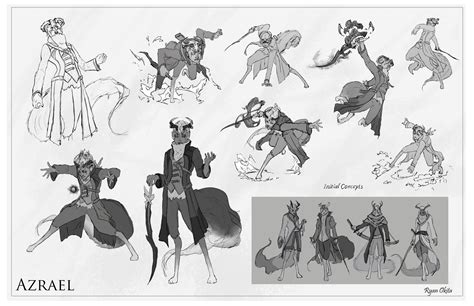


How can my online Pro Artist Portfolio truly reflect the elegance of my physical art?

Bridging the Tangible-Digital Divide for Your Art
For professional artists, an online portfolio is more than just a gallery; it’s a vital extension of their studio, a digital storefront, and often the first impression a collector, gallerist, or client will have. The challenge, however, lies in translating the inherent beauty, texture, scale, and emotional impact of physical artwork into a two-dimensional, backlit screen experience. How do you ensure that the elegance and nuance you painstakingly craft in your studio resonate just as powerfully in the digital realm?
This article will guide you through strategic approaches to elevate your online portfolio, ensuring it not only showcases your work but also encapsulates the true essence and sophistication of your physical creations.
1. The Uncompromising Power of Professional Photography
The foundation of any successful online art portfolio is exceptional photography. This is not merely about taking a quick snapshot; it’s about meticulous documentation that captures every detail, color, and texture with absolute fidelity. Amateur photography, with poor lighting, incorrect white balance, or distracting backgrounds, can significantly detract from even the most magnificent piece of art.
Invest in professional photography services if possible, or learn the essentials yourself. This includes using a high-resolution camera, proper studio lighting (even, diffuse light is key), a neutral background, and a tripod for sharpness. Ensure the artwork is perfectly framed and in focus, without glare or reflections.

2. Mastering Color Accuracy and Detail Reproduction
Once you have high-quality raw images, post-production is critical. Color accuracy is paramount. What looks vibrant in person can appear flat or distorted on screen if not calibrated properly. Use color-managed workflows, ideally with a calibrated monitor, to ensure that the colors in your digital files closely match those of your original artwork.
Pay close attention to details. For paintings, this means brushstrokes; for sculptures, it’s surface texture and form. High-resolution images allow viewers to zoom in and appreciate these subtleties, providing a richer, more immersive experience that mimics examining the art up close.
3. Crafting a User Experience That Complements Your Art
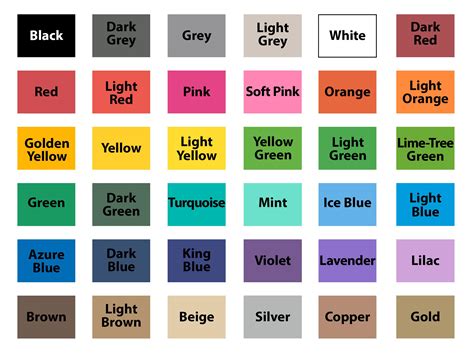
The design and functionality of your online portfolio website play a crucial role in conveying elegance. A clean, minimalist design allows your artwork to take center stage without visual clutter. Choose a sophisticated color palette that doesn’t compete with your art but rather enhances it. Navigation should be intuitive, allowing visitors to easily explore your collections and individual pieces.
Ensure your website is mobile-responsive, as many visitors will access your portfolio on tablets or smartphones. Fast loading times are also essential to prevent frustration and maintain engagement. Remember, the website itself is an extension of your artistic brand – it should feel polished and professional.
4. Contextualizing Your Work: Scale, Texture, and Environment
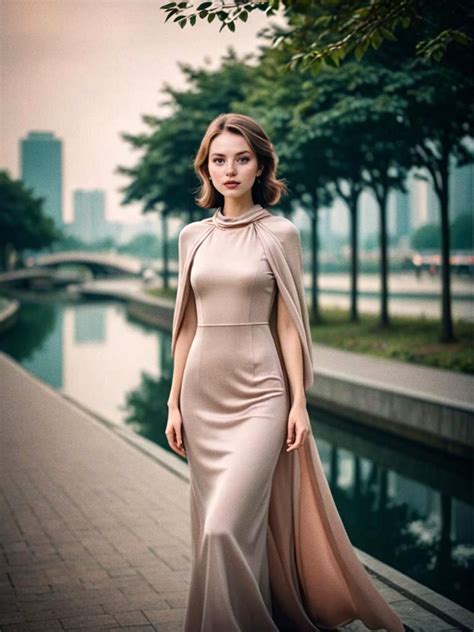
Physical art exists in three dimensions and interacts with its environment. To convey this online, consider including contextual images:
- In Situ Shots: Show your artwork installed in a space (e.g., a living room, gallery wall, or public setting). This helps viewers understand its scale and how it might look in their own environment.
- Detail Shots: Close-ups that highlight specific textures, brushwork, or unique elements that might be missed in a full shot.
- Process Shots: A few tastefully chosen images of you working in your studio can add a human touch and convey the dedication behind your craft.
These additional images provide a fuller narrative and help bridge the gap between the flat digital image and the tangible artwork.
5. Beyond Static Images: Dynamic Elements and Storytelling
While high-quality static images are fundamental, don’t shy away from incorporating dynamic elements to further enhance the elegance:
- Video: For sculptures or installation art, a short video showcasing the piece from multiple angles, or demonstrating its interaction with light and space, can be incredibly impactful.
- 360-Degree Views: Some platforms allow for interactive 360-degree views of three-dimensional works, offering an unparalleled sense of presence.
- Artist Statements & Descriptions: Well-crafted artist statements and detailed descriptions for each piece provide insight into your inspiration, materials, and process. This storytelling adds depth and allows viewers to connect with your work on a deeper, intellectual level, complementing its visual elegance.
Conclusion: Your Digital Canvas Awaits
Reflecting the true elegance of your physical art in an online portfolio is an achievable goal, requiring a strategic blend of technical precision and thoughtful presentation. By prioritizing professional photography, ensuring color accuracy, designing a sophisticated user experience, providing vital context, and embracing dynamic storytelling, you can transform your digital presence into a compelling and faithful extension of your artistic vision. Your online portfolio isn’t just a placeholder; it’s a meticulously curated digital canvas awaiting its audience, ready to convey the passion and elegance embedded in every stroke and form of your physical art.