
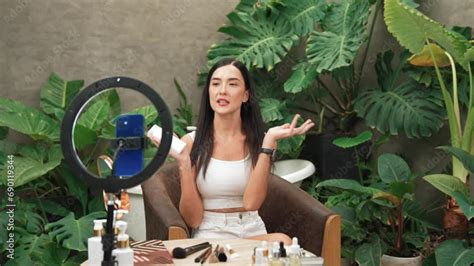
How do you distill complex ‘Artistry Enhanced’ techniques into engaging, easy-to-follow tutorials?
In the vibrant world of beauty, ‘artistry enhanced’ techniques often represent the pinnacle of skill and creativity. From intricate cut creases to advanced contouring or avant-garde nail art, these methods can seem daunting to anyone outside a professional studio. The challenge for beauty content creators is how to translate these complex, often intimidating, processes into engaging, easy-to-follow tutorials that empower rather than overwhelm their audience. It’s about bridging the gap between professional mastery and beginner-friendly application.

Understand Your Audience’s Starting Point
Before you even pick up a brush or start filming, consider who you’re teaching. Is your audience complete novices, intermediate enthusiasts, or seasoned pros looking for new tricks? Tailoring your language, pacing, and the level of detail is crucial. For beginners, every single step, no matter how minor, needs explicit mention and demonstration. For a more advanced audience, you might focus on nuances and variations.
Deconstruct the Artistry: Break It Down
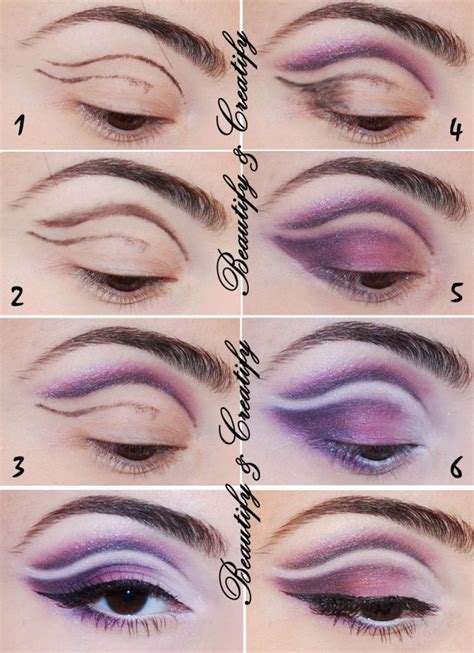
The secret to simplifying complex techniques lies in ruthless deconstruction. Identify the core components of the ‘artistry enhanced’ technique. What are the foundational steps? What are the advanced flourishes? Separate them. Focus your tutorial on one or two key elements at a time, rather than trying to teach an entire look in one go. Each segment should build logically on the last.
- Micro-steps: Break each major action into tiny, manageable micro-steps. Instead of ‘apply eyeshadow,’ it becomes ‘prep eyelid with primer,’ then ‘apply transition shade,’ ‘build up crease color,’ and so on.
- Isolate Skills: Sometimes, a complex look combines several skills (e.g., winged liner + glitter application + false lash application). Consider creating separate, focused tutorials for each skill before combining them.
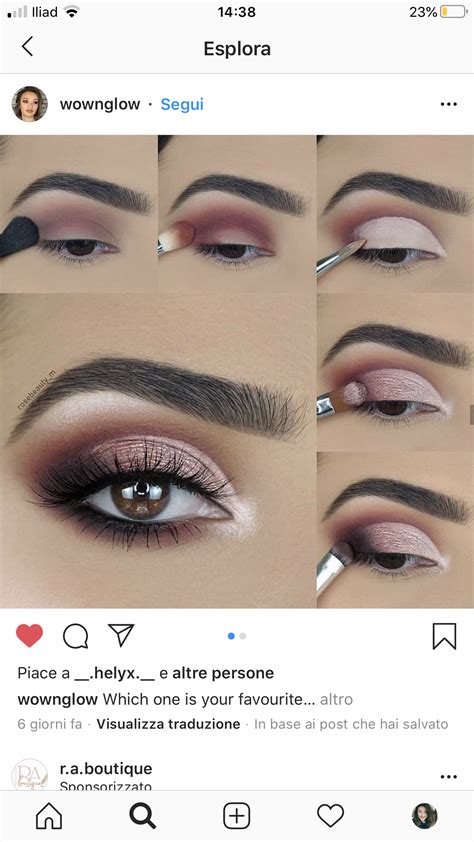
Master Visual Communication: Show, Don’t Just Tell
Beauty tutorials are inherently visual. Your camera work and editing are as important as your verbal instructions. High-quality visuals are non-negotiable for clarifying complex steps.
- Clear Angles & Lighting: Ensure your viewers can clearly see what you’re doing. Use close-ups, multiple angles, and consistent, bright lighting.
- Slow-Motion & Repetition: For particularly tricky maneuvers, incorporate slow-motion playback or repeat the action from a different angle.
- On-Screen Text & Graphics: Use text overlays to highlight product names, key tips, or step numbers. Arrows or circles can draw attention to specific areas.

Craft Engaging Narratives with Clear Language
Even with perfect visuals, your verbal or written narrative needs to be crystal clear, encouraging, and engaging. Avoid jargon where possible, or explain it simply if it’s essential.
- Simple & Direct Language: Use short sentences and straightforward vocabulary. Pretend you’re explaining it to a friend over coffee.
- Anticipate Problems: Address common mistakes or challenges viewers might encounter. Offer troubleshooting tips proactively.
- Encourage & Empower: Remind your audience that practice makes perfect. Frame mistakes as learning opportunities.
Iterate and Refine: The Feedback Loop
Your first attempt at simplifying a complex technique might not be perfect, and that’s okay. Pay close attention to feedback from your audience. What parts were unclear? What did they want more of? Use comments, surveys, or direct messages to refine your approach for future tutorials.
Continuously ask yourself: ‘If I knew nothing about this, could I follow these instructions?’ This mindset will help you strip away unnecessary complexity and focus on the most effective ways to teach. Remember, the goal isn’t just to show a technique, but to make your audience feel capable of recreating it.
Conclusion
Distilling ‘artistry enhanced’ techniques into engaging, easy-to-follow tutorials is a blend of thoughtful planning, meticulous deconstruction, and empathetic communication. By understanding your audience, breaking down complexity into digestible steps, leveraging powerful visuals, and using clear, encouraging language, you can transform intimidating artistry into achievable beauty goals for everyone. The true measure of a great tutorial isn’t just how well it demonstrates a technique, but how effectively it inspires and equips the viewer to try it themselves.