

How to best use Pro Artist Portfolio for an elegant, high-impact display of enhanced artistry?

The Power of a Polished Portfolio
In the competitive world of art, a professional artist portfolio isn’t just a collection of your work—it’s your most potent marketing tool, your visual resume, and a testament to your creative journey. To truly stand out, your portfolio must transcend mere display; it needs to be an elegant, high-impact presentation that amplifies your unique artistic voice and demonstrates the full breadth of your enhanced artistry. This guide will walk you through the essential strategies to achieve just that.
Curating for Cohesion and Impact
The first and most critical step in building an exceptional portfolio is intelligent curation. Resist the urge to include every piece you’ve ever created. Instead, select only your strongest, most representative works that align with your artistic vision and the types of opportunities you seek. Aim for quality over quantity, typically showcasing 10-20 stellar pieces that demonstrate a consistent level of excellence and a clear thematic direction or stylistic signature.
- Theme & Focus: Group similar works or series to show depth in a specific area.
- Recent & Relevant: Prioritize your most recent, highest-quality work that reflects your current style.
- Storytelling Through Sequence: Arrange pieces in a thoughtful order that guides the viewer through a narrative or progression.
Designing for Visual Appeal and User Experience
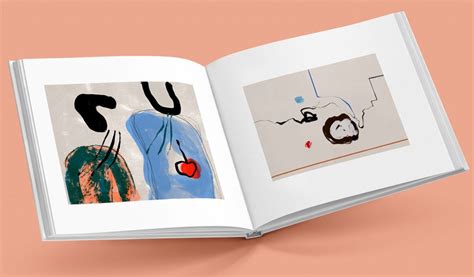
An elegant portfolio is not just about the art; it’s about the presentation. Whether digital or physical, the design should be clean, intuitive, and complementary to your artwork, never distracting. Focus on high-resolution images, clear typography, and a cohesive aesthetic that reflects your personal brand.
Digital Portfolio Essentials:
- High-Quality Imagery: Ensure all photos are professional, well-lit, and accurately color-corrected.
- Intuitive Navigation: Make it easy for viewers to browse your work, ideally with categories or tags.
- Mobile Responsiveness: Your portfolio should look great on any device.
- Personal Branding: Integrate your logo, signature colors, and a consistent tone.
For physical portfolios, invest in high-quality prints and a sophisticated presentation book or display method. Ensure good lighting if presenting in person and consider the tactile experience.
Showcasing Your Enhanced Artistry: Beyond the Final Piece
To truly convey enhanced artistry, go beyond merely showing finished works. Offer insights into your creative process, your inspirations, and the evolution of your skills. This provides context, demonstrates your depth as an artist, and helps viewers connect more deeply with your work.
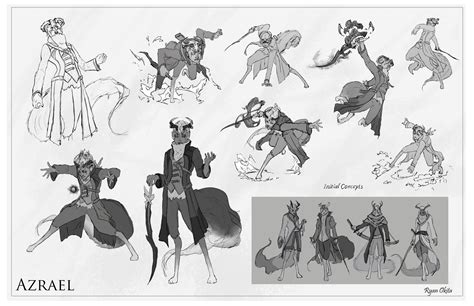
- Include Process Shots: Share sketches, studies, or in-progress images to reveal your methodology.
- Artist Statements: Craft concise, compelling statements for individual pieces or series that explain your intent and technique.
- Awards & Exhibitions: Highlight any achievements or notable exhibitions to build credibility.

Leveraging Platform Choices for Maximum Reach
The platform you choose for your portfolio significantly impacts its reach and presentation. A multi-platform approach often yields the best results.
- Dedicated Website: Your own website offers the most control over branding and presentation.
- Professional Art Platforms: Websites like ArtStation, Behance, or Saatchi Art provide community and exposure.
- Social Media: Use platforms like Instagram or Pinterest as dynamic showcases, linking back to your main portfolio.
- Physical Portfolio: Crucial for gallery submissions, art fairs, and in-person interviews.

The Professional Touch: Articulation and Engagement
An elegant, high-impact portfolio extends beyond the visual content. Professional written components and clear calls to action are vital for engaging viewers and potential clients.
- Artist Bio: A concise, engaging summary of your background, inspirations, and artistic philosophy.
- Contact Information: Make it easy for interested parties to reach you via email, social media, or phone.
- Testimonials & Press: If available, include positive feedback or features to further build trust and credibility.
- Call to Action: Guide viewers on what to do next, whether it’s visiting your store, inquiring about commissions, or following your work.

Conclusion
A professional artist portfolio is a living document that should evolve with your artistry. By thoughtfully curating your work, designing for impact, offering insights into your process, strategically choosing platforms, and perfecting your professional presentation, you can create a portfolio that not only showcases your enhanced artistry but also opens doors to new opportunities and captivates every viewer. Invest the time and effort into making your portfolio as masterful as your art.