

What review prompts best capture nuanced feedback on aesthetic design and quality craftsmanship?
In an increasingly competitive market, a product’s success often hinges not just on its functionality, but also on its visual appeal and the quality of its construction. Generic review prompts like ‘Are you satisfied?’ or ‘Rate your overall experience’ fall short when trying to understand the subtleties of aesthetic design and the meticulousness of craftsmanship. Capturing nuanced feedback requires a strategic approach to questioning, designed to unearth specific insights that can drive product improvement and inform prospective buyers.
Why Nuance Matters in Product Reviews
For consumers, detailed reviews about design and craftsmanship provide invaluable guidance, helping them make informed purchasing decisions beyond basic specifications. Does a piece of furniture truly look as good in person as online? Does a handcrafted item feel sturdy and well-made? These are questions only specific, detailed feedback can answer. For businesses, this level of insight is golden. It allows them to pinpoint areas of excellence to highlight in marketing and identify specific flaws or opportunities for refinement in their design and manufacturing processes. Moving beyond surface-level satisfaction helps companies truly understand their product’s perceived value and align it with customer expectations.
The Limitations of Generic Prompts
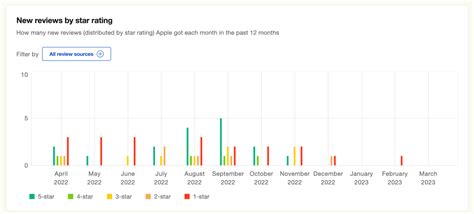
Standard rating scales and open-ended questions without specific guidance often lead to vague responses. A 5-star rating might indicate satisfaction, but it doesn’t explain if the user loved the minimalist design, the seamless finish, or the robust feel of the material. Conversely, a 3-star rating might stem from a minor design oversight rather than a fundamental flaw in quality, but without specific prompts, the reason remains obscure. This lack of detail makes it challenging to interpret feedback accurately, hindering both product development and marketing efforts.
Crafting Prompts for Aesthetic Design
To capture feedback on aesthetic design, prompts should encourage reviewers to articulate their visual and emotional responses. Focus on specific elements rather than general impressions. Here are some effective approaches:
- Visual Appeal: “Describe the product’s overall aesthetic. Does it match your expectations based on images?” or “What specific design elements (e.g., color, texture, shape, proportion) stand out to you, positively or negatively?”
- Emotional Response: “How does the design make you feel when you interact with it? (e.g., sophisticated, cozy, modern, sleek)”
- Integration: “How well does the product’s design fit into your existing space or lifestyle?”
- Uniqueness: “Does the design feel original or generic? What makes it stand out (or blend in)?”
Eliciting Feedback on Quality Craftsmanship
For craftsmanship, prompts should guide reviewers to evaluate the tangible aspects of construction, materials, and finish. This requires directing their attention to details often overlooked.
- Material Quality: “Comment on the quality and feel of the materials used. Do they seem durable and premium?”
- Construction & Durability: “Examine the seams, joints, and overall construction. Does it appear sturdy and well-assembled? Are there any loose parts or imperfections?”
- Finish & Detail: “How would you describe the finish (e.g., smooth, polished, rough)? Are there any noticeable flaws, blemishes, or inconsistencies in the detailing?”
- Attention to Detail: “Does the product show evidence of careful, thoughtful production? What small details indicate high (or low) craftsmanship?”
- Long-Term Performance: “After using it for [X time], how has the craftsmanship held up? Are there any signs of wear or degradation?”

Leveraging Different Prompt Formats
Combining various prompt formats can yield the most comprehensive feedback:
- Open-Ended Questions: These are vital for allowing reviewers to express their thoughts freely.
- Specific Attribute Ratings: Use Likert scales (e.g., 1-5) for attributes like “Material Quality,” “Finish Consistency,” “Aesthetic Appeal,” followed by an optional text box for explanation. This quantifies specific aspects while allowing for qualitative elaboration.
- Comparative Prompts: “Compared to similar products you’ve owned, how does the [product name]’s design/craftsmanship compare?” This helps gauge its standing in the market.
- Situational Prompts: “Imagine you are showing this product to a friend. What would you highlight about its design or craftsmanship?” This encourages a storytelling approach.
Analyzing and Utilizing Nuanced Feedback
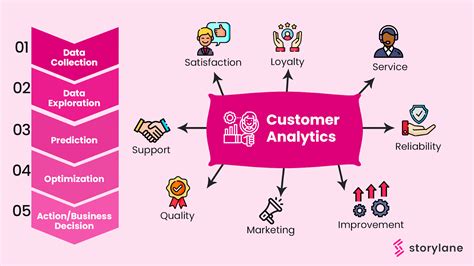
Once collected, this rich data needs careful analysis. Look for recurring themes in both positive and negative comments related to specific design elements or craftsmanship techniques. Categorize feedback to identify strengths and weaknesses systematically. This deeper understanding not only helps product teams make informed design and manufacturing adjustments but also provides marketing teams with authentic, specific testimonials that resonate more powerfully with potential buyers. Nuanced feedback transforms abstract satisfaction into actionable insights.
Ultimately, the goal is to move beyond mere ratings to truly understand the ‘why’ behind a customer’s perception of a product’s aesthetic design and quality craftsmanship. By designing review prompts that are thoughtful, specific, and encourage detailed responses, businesses can unlock a wealth of invaluable information that drives better products and more satisfied customers.