

What precise curation defines an elegant, professional portfolio for enhanced artistic impact?
The Strategic Imperative of a Curated Portfolio
For professional artists, a portfolio is far more than a simple collection of their work; it is a meticulously crafted narrative, a strategic marketing tool, and a testament to their artistic vision and professional competence. In today’s competitive art world, the difference between merely showing work and making a profound artistic impact lies in precise curation – the intentional selection, arrangement, and presentation of art that elevates an artist’s professional standing.
Quality Over Quantity: The Foundation of Elegance
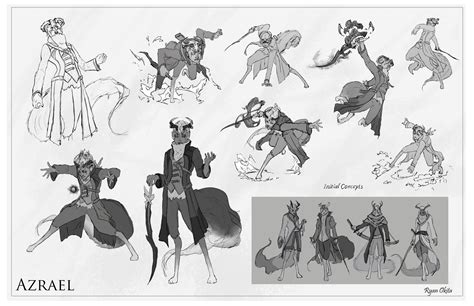
The first principle of an elegant, professional portfolio is uncompromising quality. Resist the urge to include every piece you’ve ever created. Instead, focus on showcasing only your strongest, most resolved works. Each piece selected should contribute to a cohesive story, demonstrating your skill, unique aesthetic, and conceptual depth. A portfolio with 10 exceptional pieces is infinitely more impactful than one with 30 mediocre or inconsistent ones.
Consistency in style, theme, or technique, even across different series, assures viewers of your artistic maturity and vision. It demonstrates that your work is not a series of isolated experiments but a developing body of knowledge and expression. This careful selection process is the bedrock of perceived professionalism and artistic integrity.
Tailoring for Impact: Knowing Your Audience
An impactful portfolio is rarely a one-size-fits-all solution. Professional artists understand the necessity of tailoring their presentation to specific opportunities, whether it’s a gallery submission, a commission proposal, a grant application, or an academic review. Researching the target audience and aligning your selection to their interests and requirements significantly enhances your chances of success.
This doesn’t mean compromising your artistic identity, but rather highlighting the most relevant facets of your practice. For a portrait commission, you’d emphasize your figurative work; for an abstract gallery, your experimental and conceptual pieces. This strategic alignment demonstrates not only your artistic skill but also your professional acumen and understanding of the art ecosystem.

The Art of Presentation: Visual Sophistication and Accessibility
Beyond the artwork itself, the presentation of your portfolio speaks volumes. High-quality photography or scans are non-negotiable. Poor lighting, blurry images, or distracting backgrounds can undermine even the most brilliant artwork. The layout, whether digital or physical, should be clean, intuitive, and aesthetically pleasing, allowing the art to breathe and speak for itself.
Digital portfolios, often presented via a professional website or a well-designed PDF, require thoughtful navigation and a responsive design. Physical portfolios demand durable, elegant materials and a logical flow. Ensuring accessibility across various devices and platforms is crucial for reaching a wider audience and making a professional impression.

Weaving Your Narrative: Beyond the Visuals
An elegant professional portfolio extends beyond visual works to include compelling textual elements. A concise, powerful artist statement articulates your artistic philosophy, influences, and intentions. Thoughtful project descriptions provide context and insight into individual pieces or series, deepening the viewer’s understanding and appreciation. A professional curriculum vitae (CV) or resume outlines your exhibitions, education, awards, and other relevant experience, establishing your professional credentials.
These accompanying texts are not mere afterthoughts; they are integral components of the curation process, providing a narrative framework that enhances the impact of your visual art and reinforces your professional identity.
Continuous Refinement and Strategic Impact
A truly professional portfolio is never truly “finished.” It is a living document that evolves with your artistic practice. Regular review and refinement are essential. As your skills develop and your artistic voice matures, update your portfolio to reflect your latest and strongest work. Seek feedback from trusted mentors or peers to gain objective insights.
The goal of precise curation is to create an immediate, lasting, and positive impression, showcasing not just what you do, but who you are as an artist. An elegantly crafted portfolio effectively communicates your unique vision, demonstrates your commitment to your craft, and ultimately amplifies your artistic impact in the professional arena.

Conclusion
Defining an elegant, professional portfolio for enhanced artistic impact is an exercise in strategic self-representation. It involves a discerning eye for quality, a keen understanding of audience, sophisticated presentation, a compelling narrative, and a commitment to continuous refinement. When these elements are meticulously woven together, an artist’s portfolio transforms from a mere collection into a powerful instrument capable of opening doors, forging connections, and solidifying a respected place within the art world.