


What workshop strategies ensure personalized artistry for a flawless finish?
Achieving a truly personalized makeup look, one that perfectly complements individual features and preferences while delivering a flawless, enduring finish, is the hallmark of true artistry. In a workshop setting, this goal can seem challenging. How do instructors ensure that each participant not only learns universal techniques but also masters the art of adapting them to their unique face? The answer lies in implementing specific, tailored strategies that prioritize individual attention and customized learning.
The Power of Intimate Learning Environments
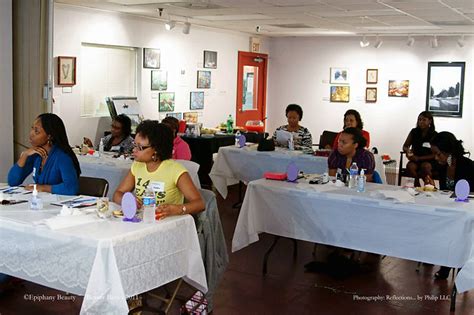
One of the most crucial foundations for personalized artistry is the workshop’s structure itself. Large, impersonal classes often lead to generic instruction. Opting for smaller group sizes, ideally no more than 6-8 participants, allows instructors to dedicate significant one-on-one time to each individual. This intimacy fosters a safe space for questions, personalized critiques, and real-time adjustments, ensuring that no participant is left struggling with a technique unaddressed.
Pre-Workshop Assessment and Goal Setting
True personalization begins even before the first brushstroke. A pre-workshop questionnaire or brief consultation allows instructors to understand each participant’s current skill level, specific challenges (e.g., color matching, blending, specific eye shapes), desired outcomes, and even their personal style preferences. This initial insight enables the instructor to subtly tailor demonstrations, examples, and individual feedback throughout the workshop, making the experience far more relevant and impactful for everyone involved.
Hands-On Application with Focused Feedback
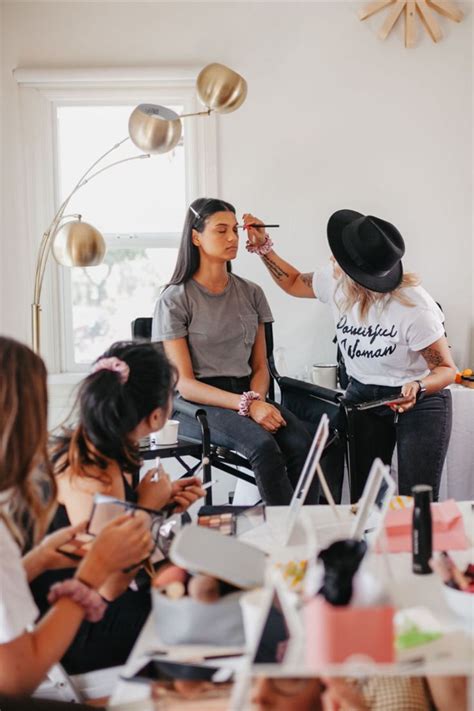
Learning makeup is a kinesthetic process. Workshops must prioritize extensive hands-on practice, whether on oneself or a model. This practical application, however, is only truly effective when coupled with immediate, constructive, and highly personalized feedback. Instructors should circulate constantly, observing each participant’s technique, offering precise guidance on pressure, angle, product placement, and blending. This iterative process of doing, getting feedback, and refining is essential for translating theoretical knowledge into practical skill and ensuring a flawless execution.
Customized Product and Tool Recommendations
A flawless finish often hinges on using the right products and tools for one’s skin type, tone, and desired effect. Generic recommendations fall short. A personalized workshop goes beyond brand names, focusing instead on understanding product categories (e.g., foundation finishes, concealer types, brush shapes) and teaching participants how to select the best options for their specific needs. This might involve guiding them through color matching exercises, explaining ingredient benefits, or demonstrating how different brushes achieve varied effects on their face.
Mastering Individual Features and Face Shapes
Every face is unique, and a one-size-fits-all approach to contouring, highlighting, or eye makeup simply won’t yield a flawless, harmonious result. Effective workshops dedicate time to analyzing individual face shapes, eye shapes, lip structures, and skin textures. Instructors should demonstrate how to adapt universal techniques (like a smoky eye or a winged liner) to enhance specific features, correcting imbalances subtly and artfully. This bespoke approach ensures that the final look is not just technically perfect but also beautifully flattering.
Iterative Layering and Troubleshooting Techniques
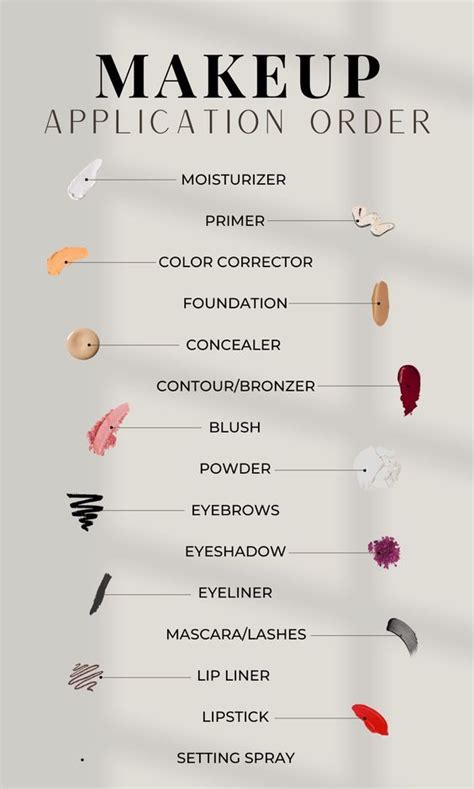
The secret to a flawless, long-lasting finish often lies in the art of layering and the ability to troubleshoot. Workshops should teach participants how to build coverage gradually, blend seamlessly, and set makeup for durability. Crucially, instructors should also guide students through common pitfalls—patchiness, creasing, uneven blending—and provide immediate, practical solutions. This problem-solving aspect is key to empowering participants to achieve perfection independently.
Post-Workshop Support and Resources
Learning doesn’t end when the workshop concludes. To truly embed personalized artistry, offering continued support is invaluable. This could include access to a private online community for questions, follow-up Q&A sessions, curated product lists based on individual needs, or even discounted private coaching. Such resources reinforce learning, encourage continued practice, and provide a safety net for participants to refine their skills and tackle new challenges with confidence, ensuring their journey to a flawless finish continues long after the session.

Conclusion
Personalized artistry leading to a flawless finish is not merely about teaching techniques; it’s about empowering individuals to understand and enhance their unique beauty. By adopting strategies such as small group sizes, pre-workshop assessments, intensive hands-on practice with personalized feedback, customized product guidance, and continuous post-workshop support, makeup workshops can transform into deeply impactful learning experiences. These approaches ensure that every participant leaves not just with new skills, but with the confidence and knowledge to create their perfect, flawless look every single time.