


How can Pro Artist Portfolio curation enhance elegance and define my unique style for galleries?

For any professional artist aspiring to gain gallery representation, a portfolio is far more than just a collection of images; it is a meticulously crafted narrative, a visual argument for your artistic significance. The deliberate act of curating this portfolio is what transforms a simple collection into a compelling presentation, enhancing its elegance and unequivocally defining your unique style to gallerists and potential collectors.
The Strategic Selection Process: Less is More
The first step in elegant portfolio curation is strategic selection. Avoid the temptation to include every piece you’ve ever created. Instead, focus on a cohesive body of work that exemplifies your strongest pieces, showcases technical mastery, and clearly communicates your artistic vision. A gallerist spends mere minutes reviewing a portfolio; make every piece count. This means selecting works that resonate with each other, telling a story or exploring a consistent theme, even if they span different series or periods.
Think about the narrative arc you want to present. Does your portfolio highlight your evolution as an artist, or does it present a concentrated snapshot of your current artistic focus? Consistency in quality and thematic cohesion are hallmarks of a professionally curated portfolio that exudes elegance.
Defining Your Unique Style Through Cohesion and Contrast
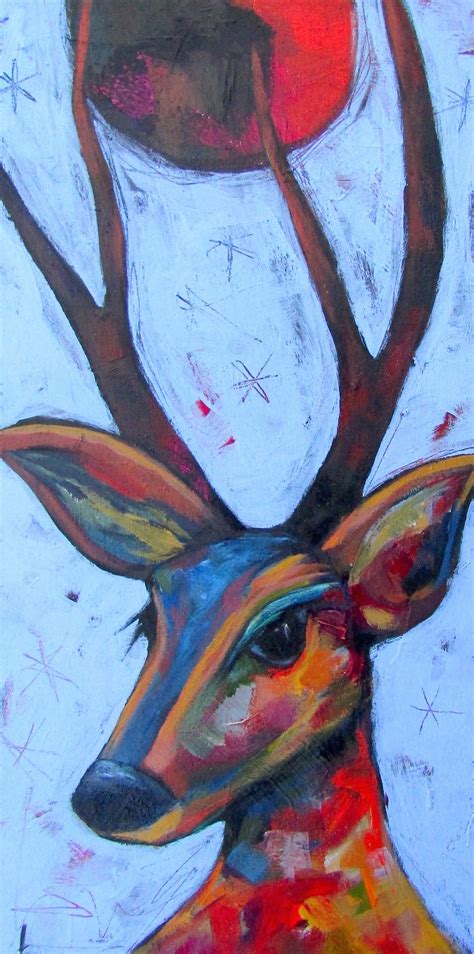
Your unique style isn’t just about your brushstrokes or chosen medium; it’s about the consistent visual language that threads through your work. Portfolio curation is the arena where this style is amplified. By presenting works that, while distinct, share underlying aesthetic principles, color palettes, or conceptual concerns, you build a clear and identifiable artistic fingerprint.
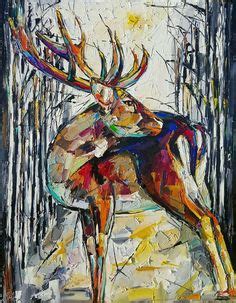
Consider the interplay between pieces. Sometimes, a carefully placed piece that offers a subtle contrast to the others can highlight aspects of your style that might otherwise go unnoticed. This isn’t about inconsistency, but about demonstrating depth within your established parameters. The goal is for a gallerist to see your portfolio and instantly recognize ‘you’ in every piece, even if the subjects vary.
Presentation Matters: The Art of Digital and Physical Displays
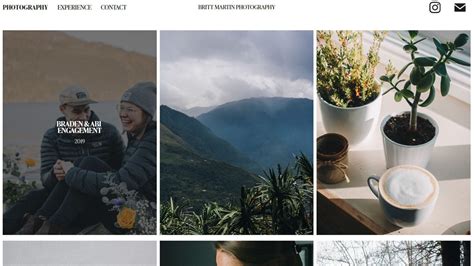
The elegance of your portfolio extends beyond the artwork itself to its presentation. For digital portfolios, ensure high-resolution images, consistent lighting, and accurate color representation. A clean, intuitive layout on your website or a professional PDF document speaks volumes about your attention to detail. Avoid cluttered interfaces or distracting backgrounds.

For physical portfolios, invest in high-quality prints and a sophisticated presentation case. Matting and framing choices, even for display purposes, should complement rather than overshadow the art. This meticulous approach to presentation underscores your professionalism and respect for your own work, signaling to galleries that you are serious about your career.
Crafting the Narrative: Artist Statement and Supporting Materials
A portfolio is incomplete without a concise, compelling artist statement that articulates your vision, influences, and processes. This statement should serve as a textual anchor, providing context and deepening the viewer’s understanding of your unique style and artistic intent. It should be eloquent, free of jargon, and authentically reflect your voice.
Complementary materials, such as a professional CV or artist biography, should be meticulously prepared and formatted. These elements provide crucial background information, demonstrating your professional journey and achievements. Together, the visual and textual components of your portfolio create a comprehensive and elegant package that effectively introduces you to the art world.
Seeking Feedback and Continuous Refinement
Before submitting your portfolio to galleries, seek honest feedback from trusted mentors, fellow artists, or art professionals. An outside perspective can reveal blind spots or suggest improvements to your selection and presentation. Portfolio curation is not a one-time event but an ongoing process of refinement.
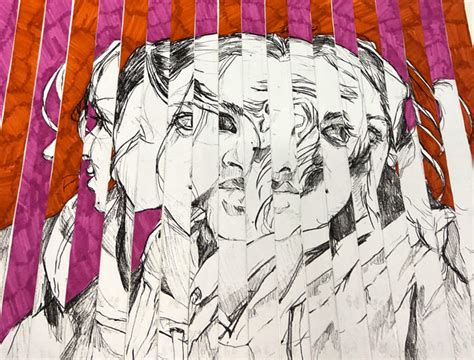
As your artistic practice evolves, so too should your portfolio. Regularly review and update your selections to ensure they continue to represent your best work and most current artistic direction. This dynamic approach ensures your portfolio remains a powerful and elegant tool for defining your unique style and securing your place within the gallery landscape.