


How do we guide users to write reviews detailing product artistry, quality, and elegance?

In an increasingly competitive market, basic star ratings and generic feedback like ‘It’s good’ or ‘I liked it’ no longer suffice. For products where design, craftsmanship, and sophisticated aesthetics are paramount, guiding users to articulate their experience with artistry, quality, and elegance becomes crucial. These nuanced details not only help potential buyers make informed decisions but also provide invaluable feedback for brands striving for excellence. The challenge lies in empowering users to move beyond surface-level observations and express the deeper, often subjective, aspects that define a product’s true character.
The Importance of Rich, Descriptive Reviews
Detailed reviews serve as a powerful testimonial to a product’s value, going beyond mere functionality. When users eloquently describe the exquisite stitching on a leather bag, the perfect balance of a handcrafted tool, or the timeless grace of a piece of jewelry, they create a narrative that resonates deeply with prospective customers. Such reviews build trust, foster a sense of community around shared appreciation for quality, and provide authentic insights that marketing copy alone cannot achieve. Capturing these intangible attributes, however, requires a deliberate and well-structured approach to review solicitation.
Crafting Effective Prompts and Questions
One of the most direct ways to guide users is through intelligent prompting. Instead of a single text box, offer a series of targeted questions designed to elicit specific details:
- For Artistry: “What specific design elements stood out to you?” “How does the product’s form contribute to its overall aesthetic or emotional impact?” “Describe any unique decorative features or craftsmanship you observed.”
- For Quality: “Which specific aspects demonstrate the product’s durability or superior craftsmanship?” “How would you describe the materials used – do they feel premium or robust?” “Did any particular details, like seams, finishes, or components, impress you with their quality?”
- For Elegance: “How does the product’s design evoke sophistication or luxury?” “Does it feel refined, graceful, or timeless in its appearance and use?” “How does this item elevate the space or experience it’s part of?”
These prompts can be optional but strategically placed to encourage deeper thought.
Showcasing Exemplary Reviews
People learn by example. Highlight outstanding, detailed reviews prominently on product pages or in a dedicated “Reviewers’ Gallery.” When users see what a well-articulated review looks like, they are more likely to emulate that standard. Consider:
- Featuring “Editor’s Pick” reviews that specifically praise artistry, quality, or elegance.
- Creating a “How to Write a Great Review” guide with snippets from the best examples.
- Using rich snippets in search results that pull from these detailed descriptions.

Enhancing the Review Interface and Experience
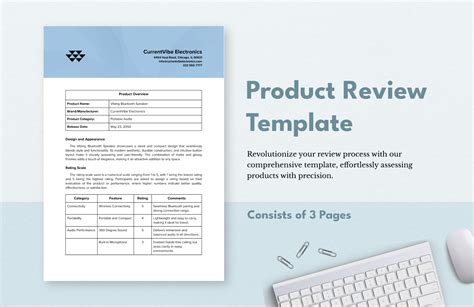
The review submission interface itself can be a powerful tool. Move beyond a simple text field:
- Guided Fields: Implement separate, dedicated fields or dropdowns for “Artistry,” “Material Quality,” and “Design Elegance,” allowing users to rate or describe each aspect individually.
- Visual Uploads: Strongly encourage users to upload photos and videos that specifically highlight details, textures, craftsmanship, or how the product integrates into an elegant setting. Provide tips on what to photograph.
- Interactive Rating Scales: Instead of just 5 stars, offer sliders or multi-point scales for specific attributes like “Craftsmanship Detail,” “Finish Quality,” or “Design Sophistication.”

Leveraging Community and Gamification
Fostering a community that values detailed feedback can significantly boost review quality:
- Upvoting & Highlighting: Allow other users to “upvote” or mark reviews as “helpful.” Prioritize displaying highly-rated, detailed reviews.
- Badges & Rewards: Introduce a system where users earn badges (e.g., “Artisan Analyst,” “Quality Connoisseur,” “Elegance Expert”) for consistently providing in-depth reviews. Offer small rewards or discounts to top reviewers.
- Review Contests: Run periodic contests for the “Most Artistic Review” or “Best Description of Quality,” providing a tangible incentive for thoughtful contributions.
The Role of AI and NLP
Emerging technologies can further assist users in crafting better reviews:
- Smart Prompts: AI can analyze partially written reviews and offer suggestions for expansion, for instance, “You mentioned the design was beautiful, can you describe what made it beautiful?”
- Sentiment Analysis with Specificity Requests: If a review contains vague positive sentiment (e.g., “It’s great!”), the system could prompt, “What specific aspects of its quality or design made it great for you?”
- Grammar and Style Suggestions: AI-powered tools can help users articulate their thoughts more clearly and eloquently, ensuring their detailed observations are well-communicated.

Conclusion
Guiding users to write reviews detailing product artistry, quality, and elegance is an investment in richer customer engagement and more informed purchasing decisions. By employing a combination of thoughtful prompts, clear examples, enhanced interfaces, community incentives, and smart technology, brands can cultivate a culture where the true value and distinct characteristics of their products are celebrated and communicated. This approach not only elevates the review experience but also provides invaluable insights for continuous product refinement and brand storytelling.